


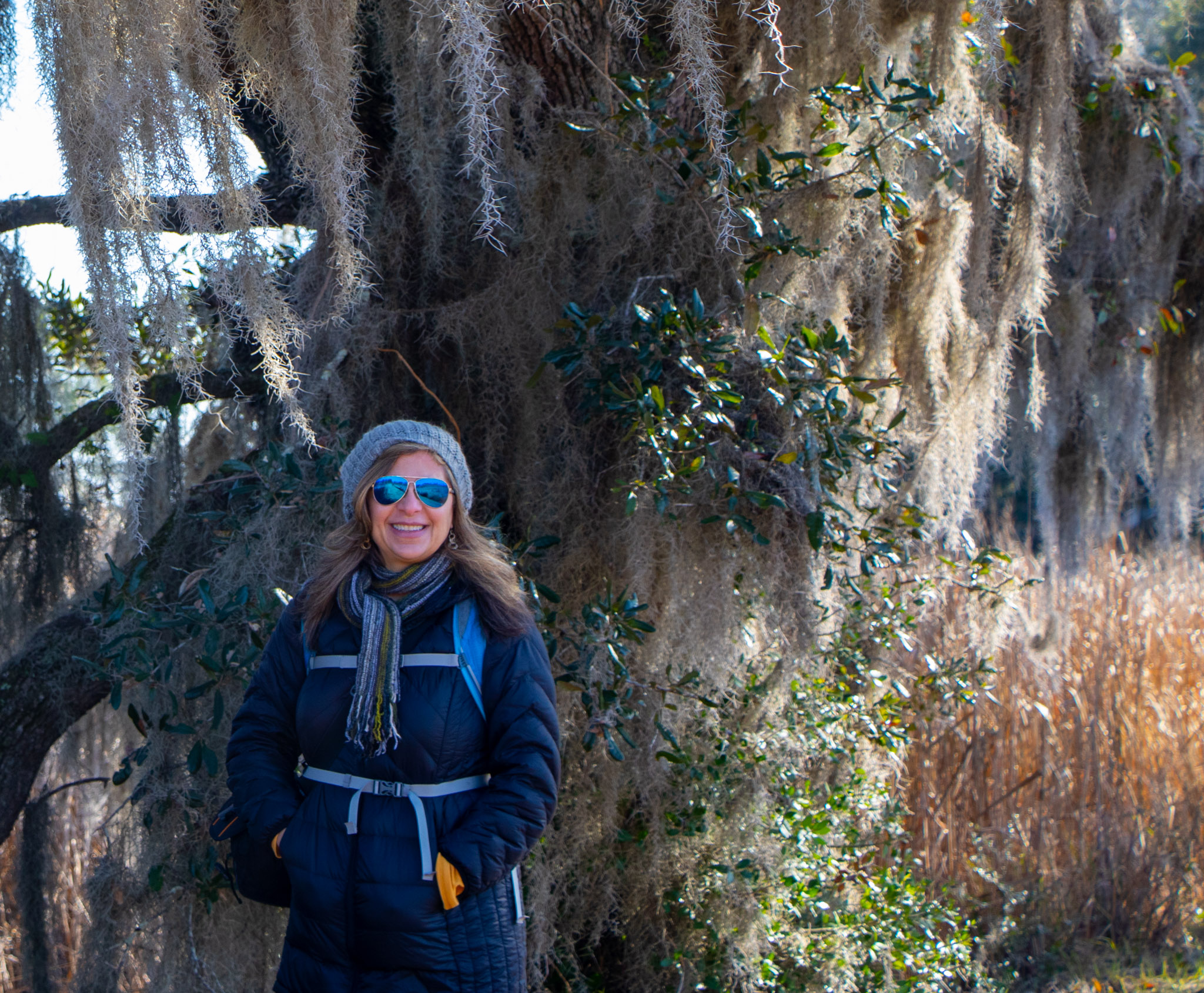
My friend Laura and I met at Caw Caw Interpretive Center on January 9, 2020, eager to explore one of the Lowcountry’s most historically significant and naturally beautiful landscapes. Caw Caw is more than a nature preserve—it’s a living record of the region’s rice‑plantation past, shaped by the labor, skill, and resilience of enslaved Africans who once lived and worked on this land.

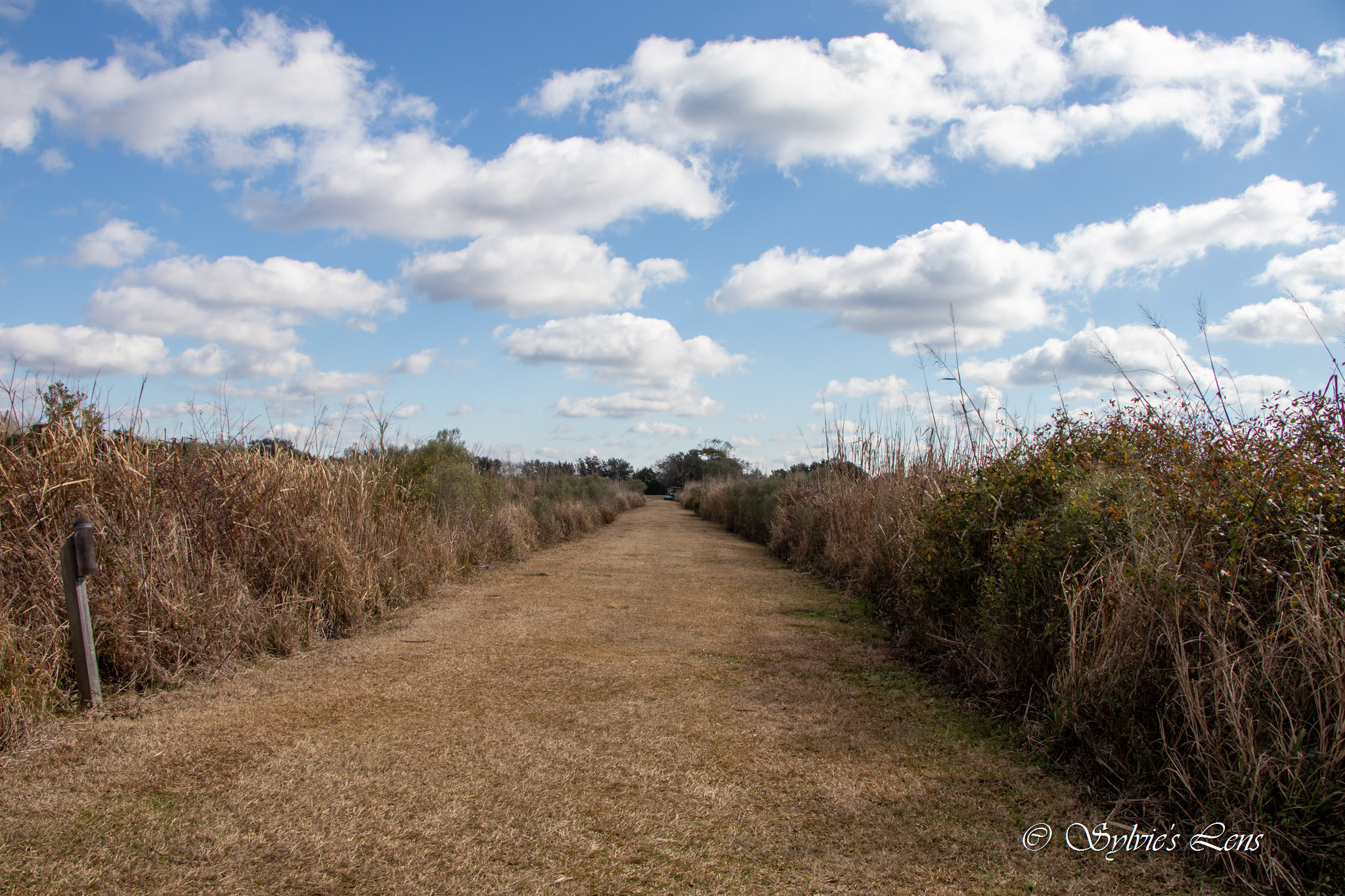
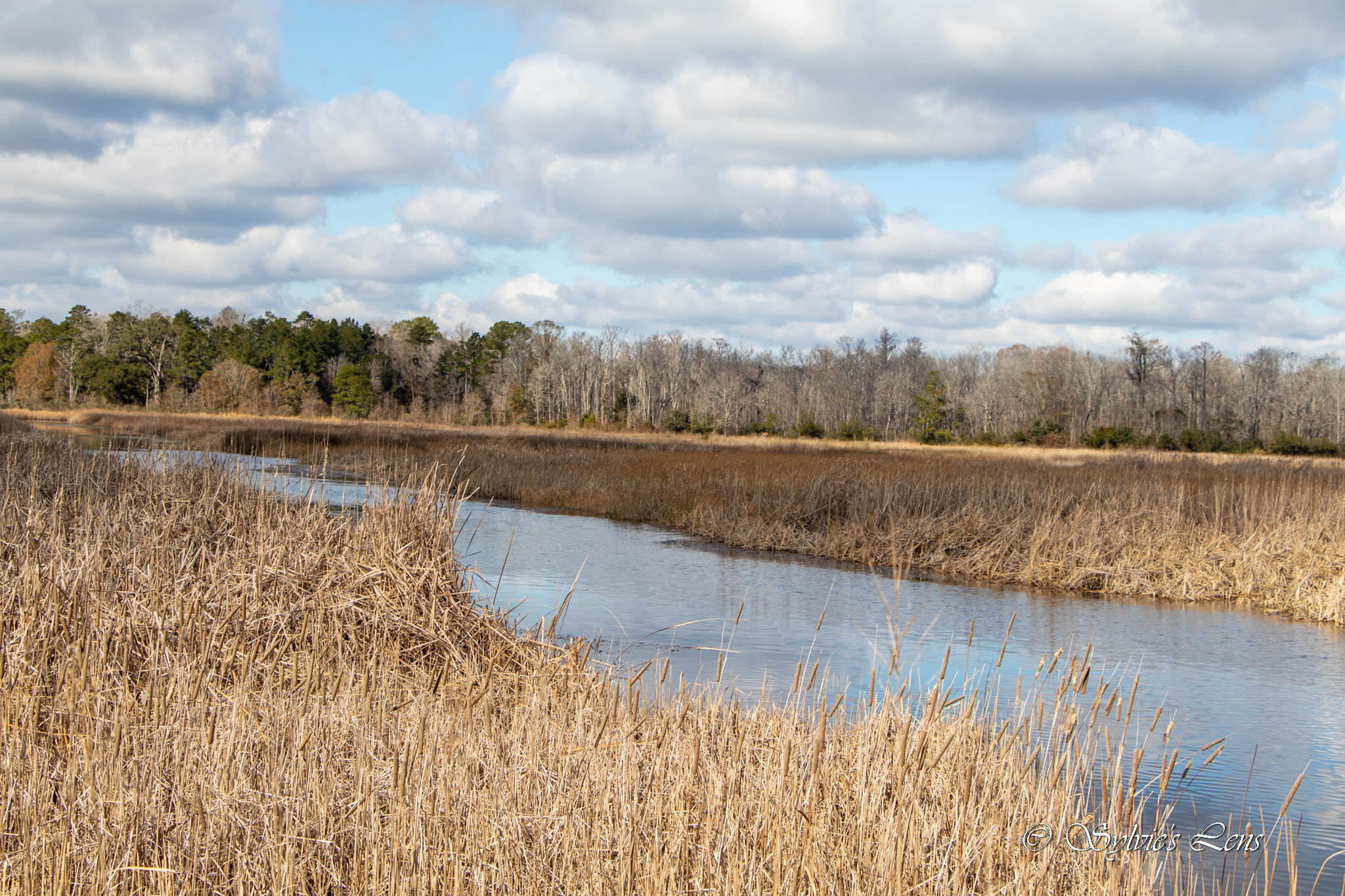
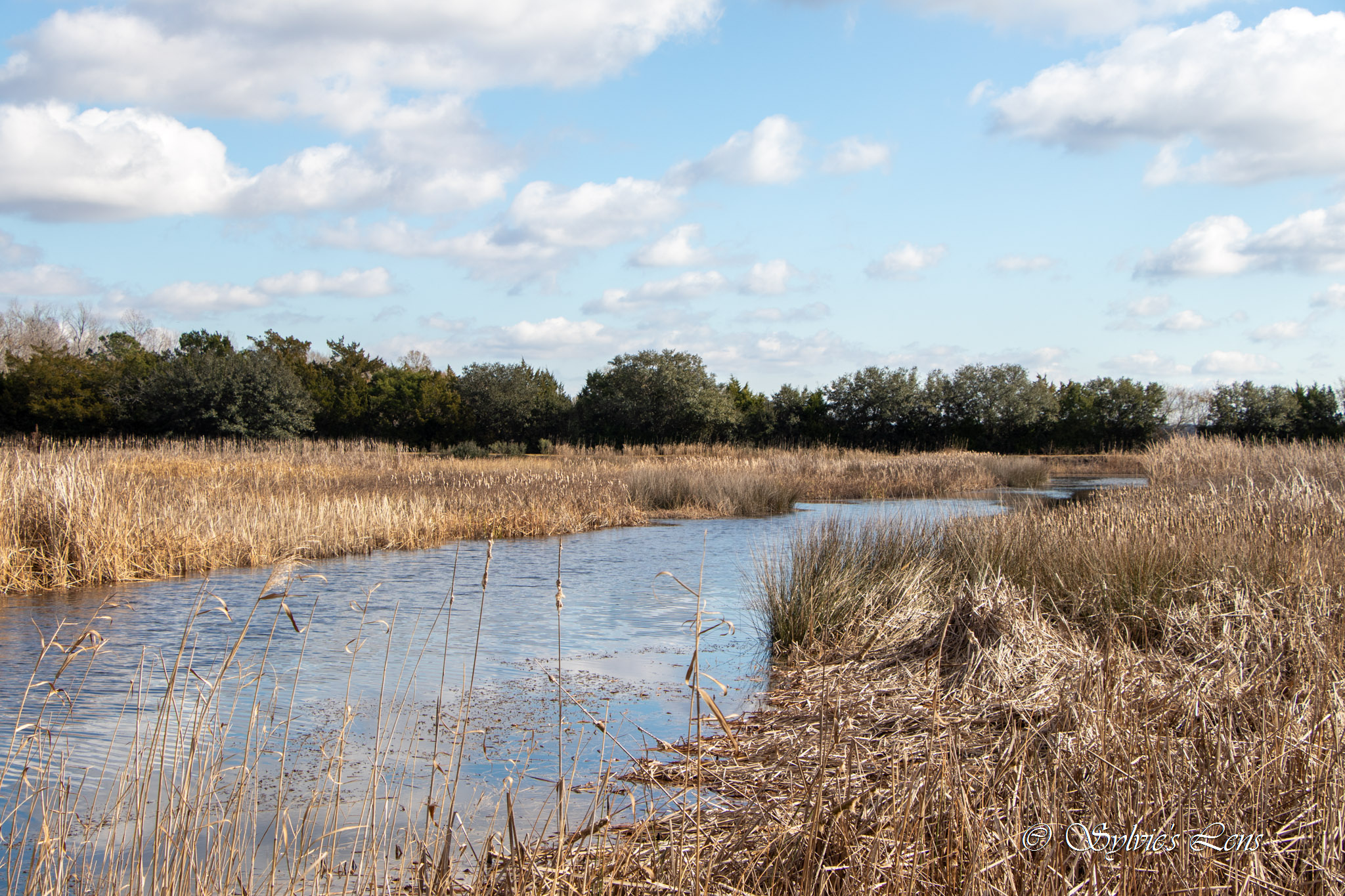
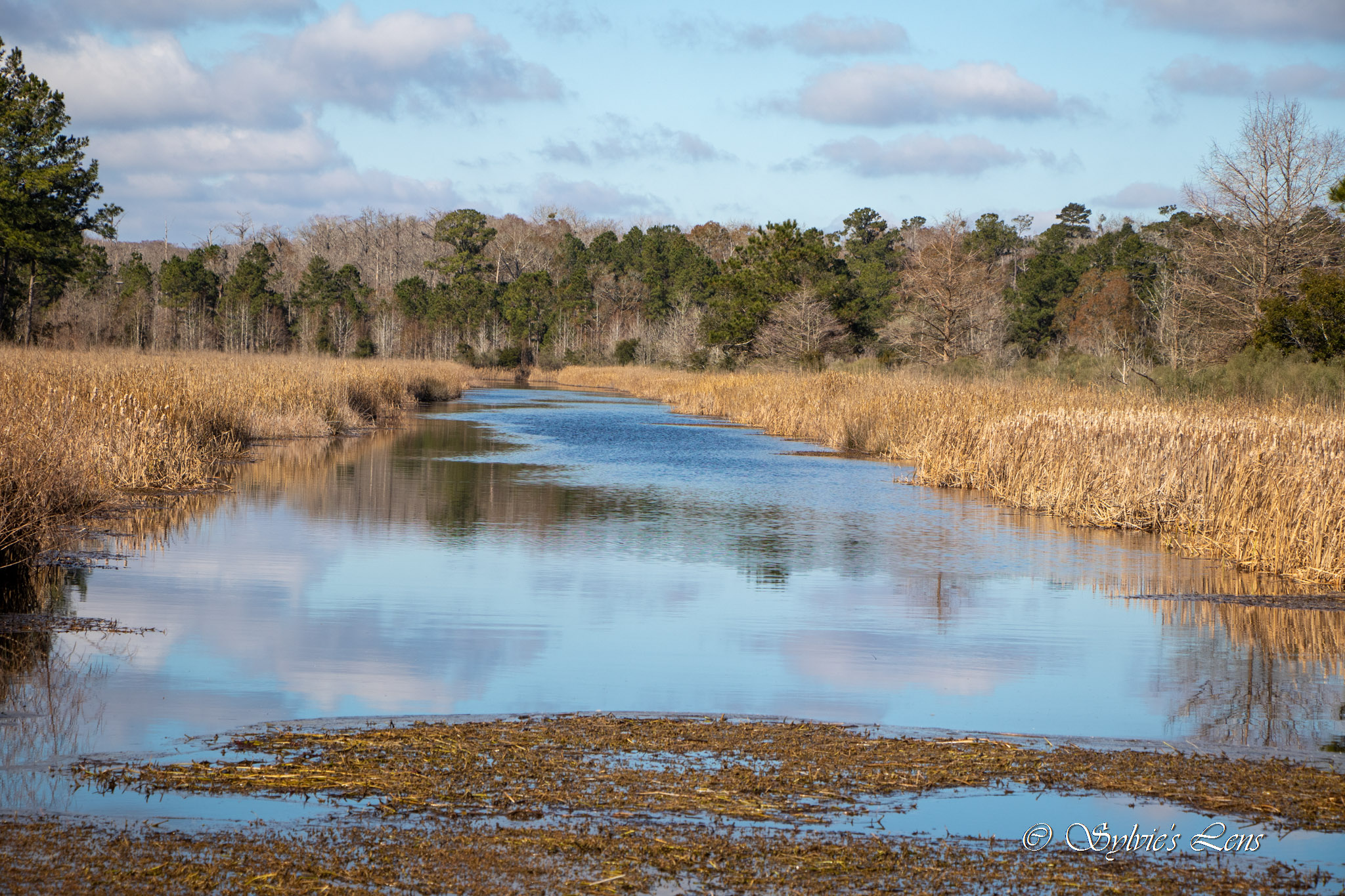
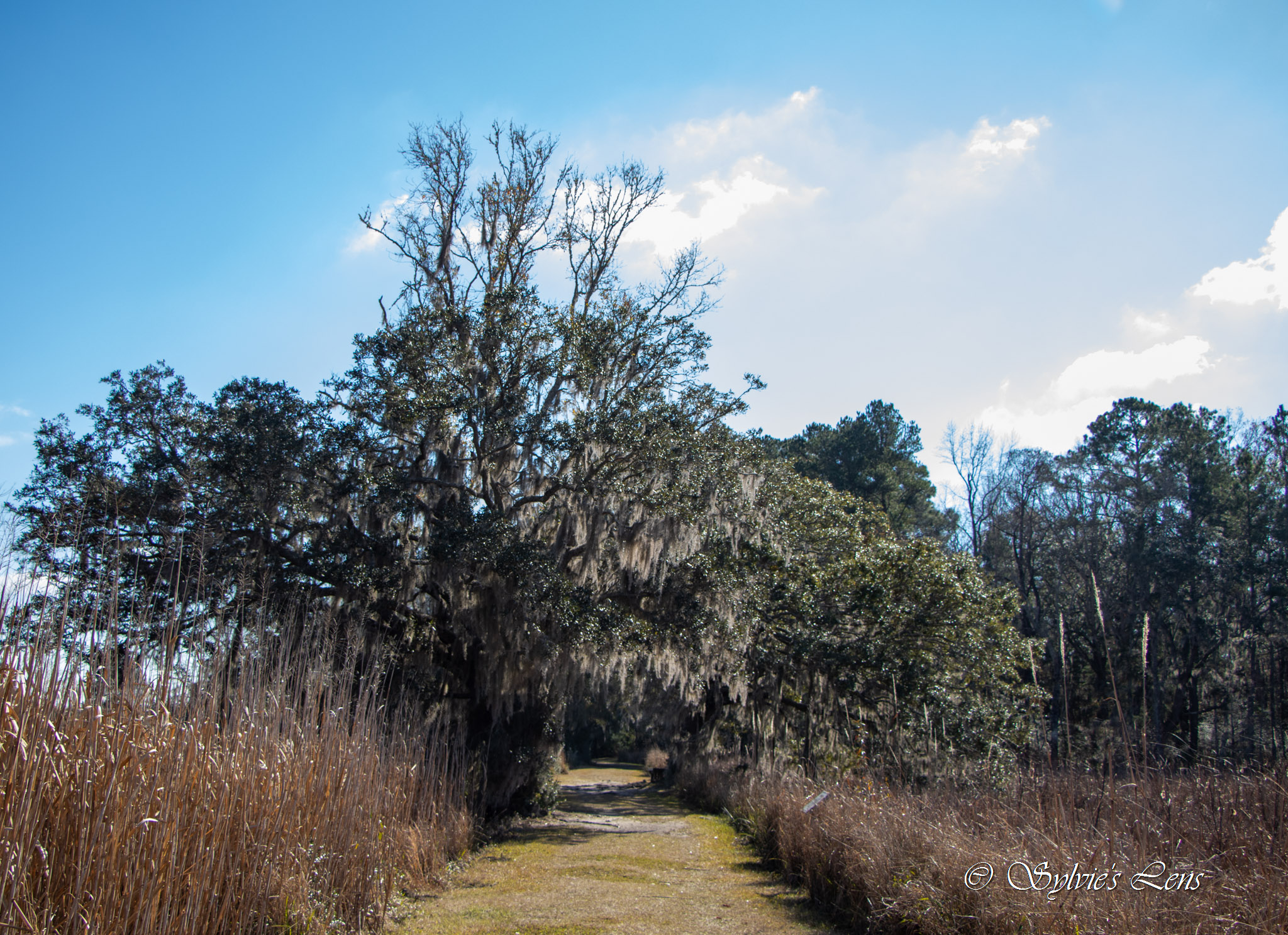
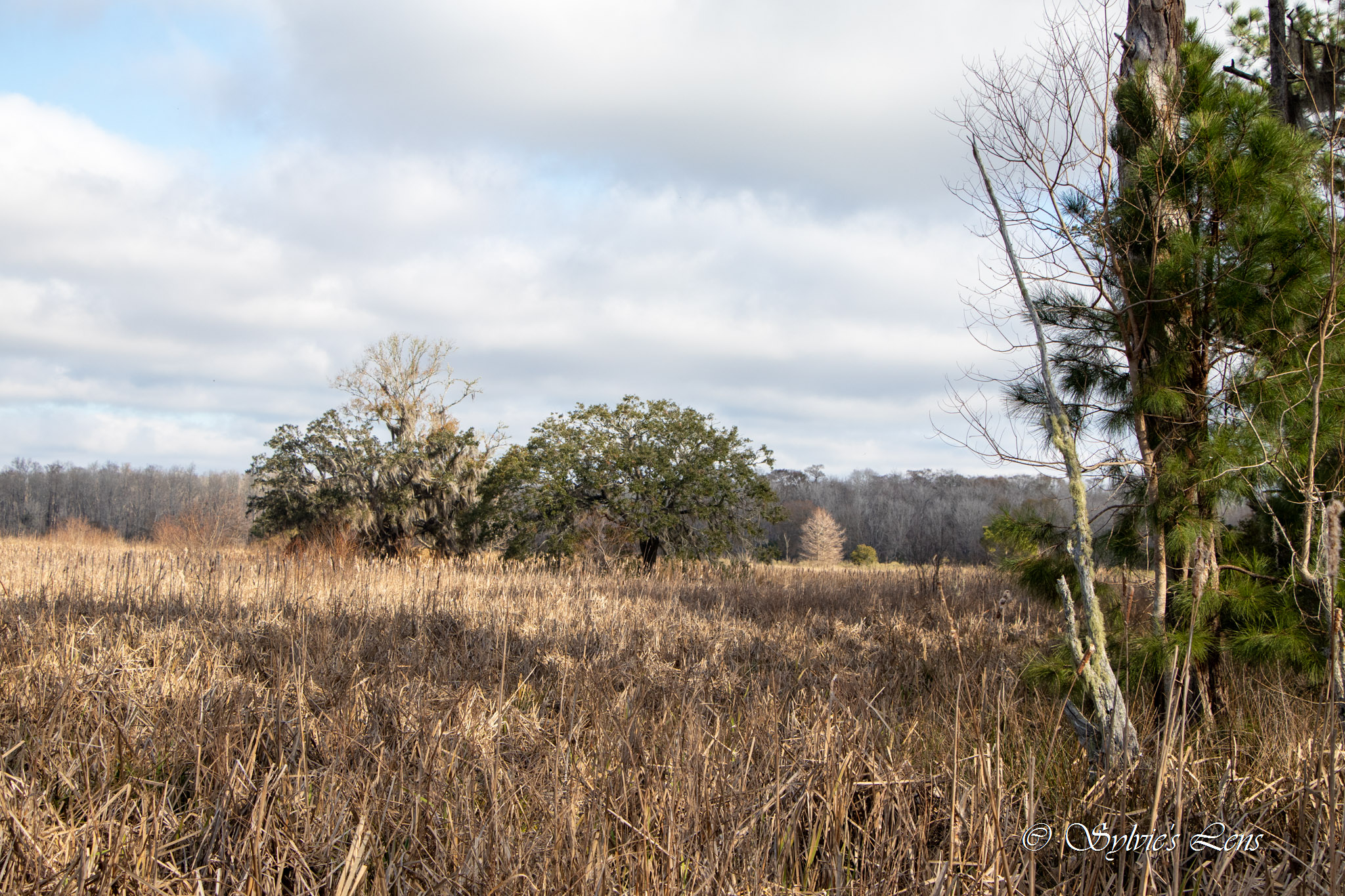
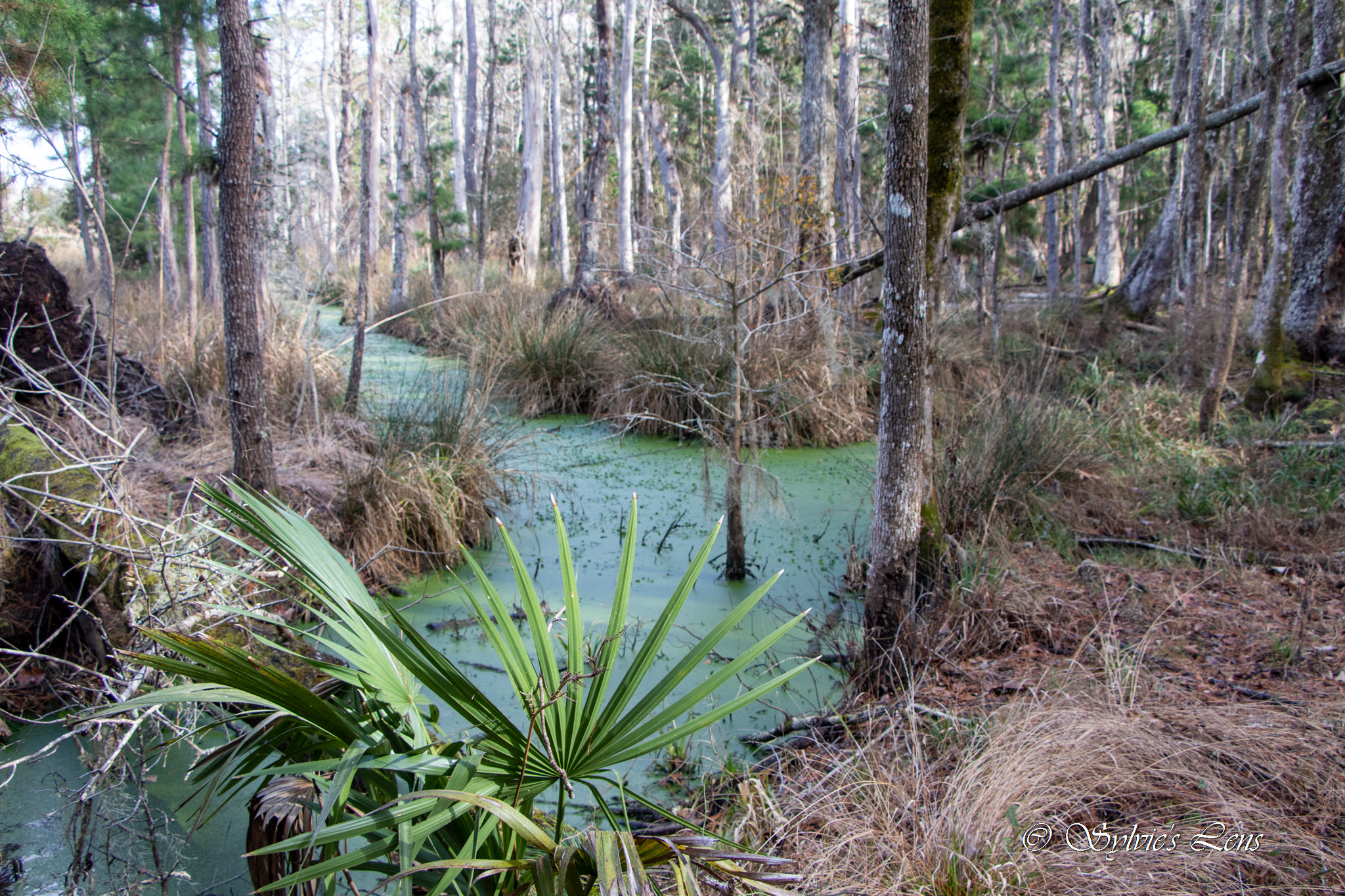
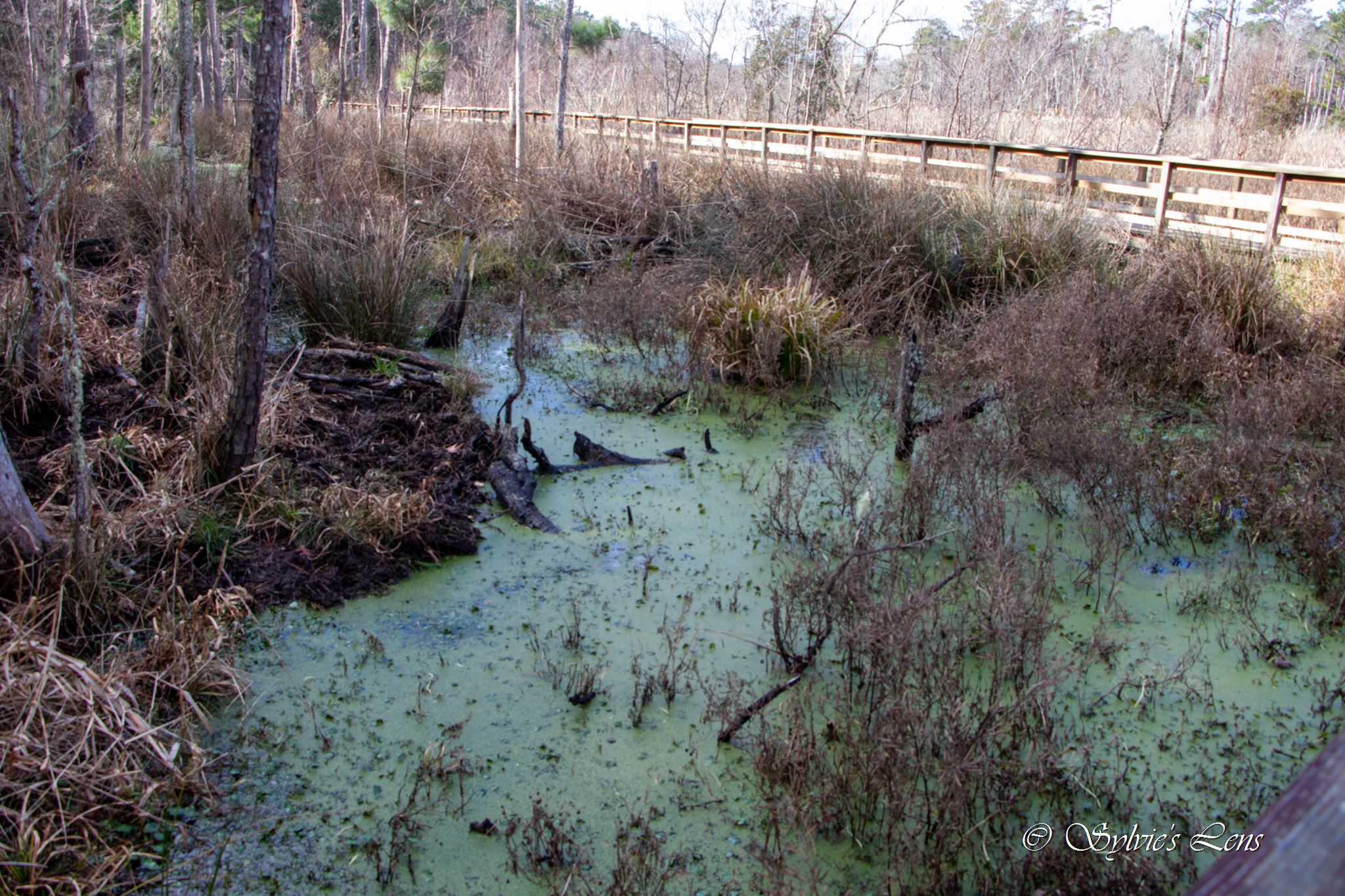
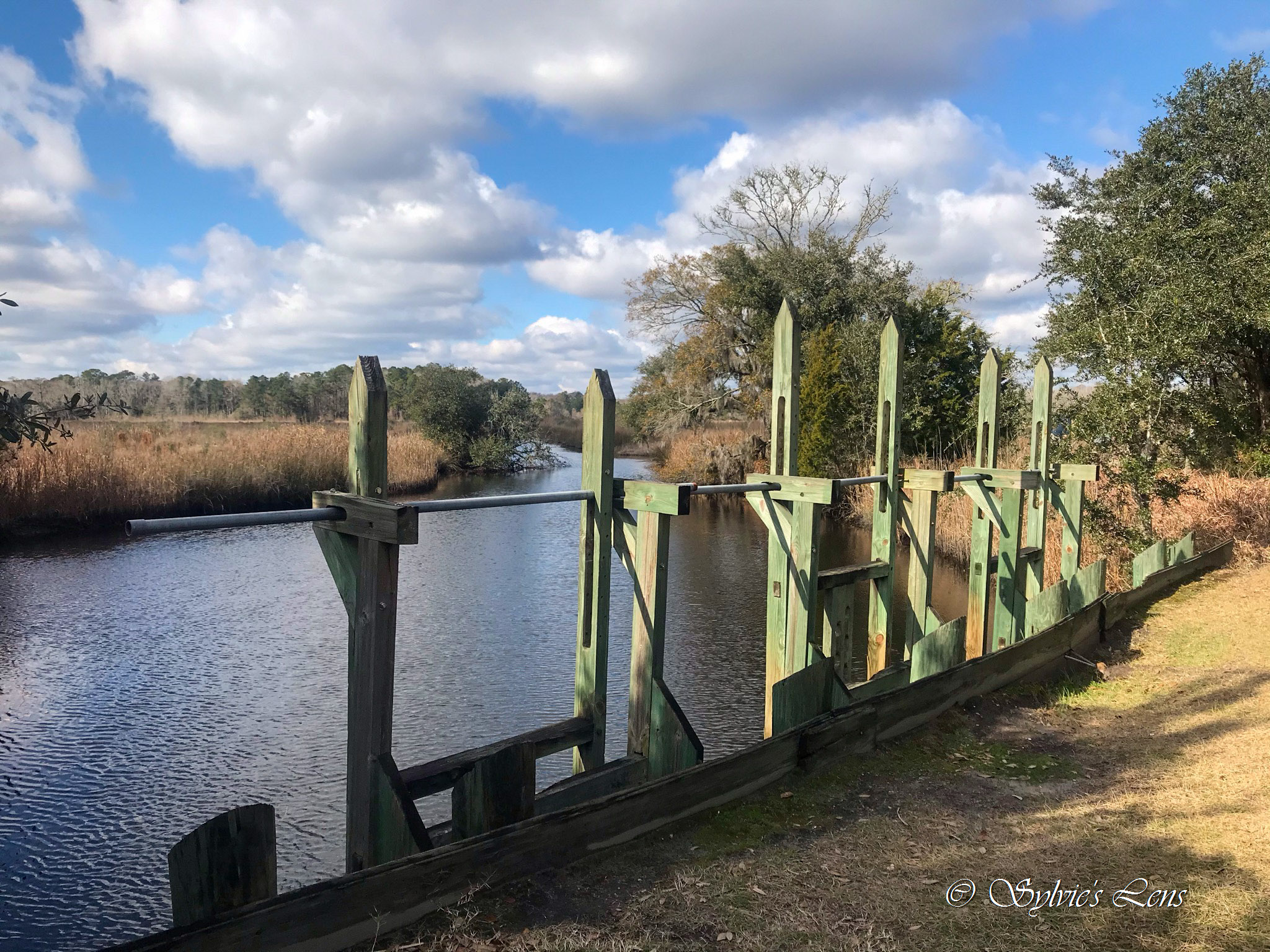
Walking through the preserve, I was struck by how deeply history is woven into the landscape. Caw Caw once formed part of several rice plantations, and the knowledge enslaved Africans brought with them—particularly their expertise in rice cultivation—was essential to the success of these operations. Interpretive signs throughout the preserve explain how rice was grown after 1820, including the use of quarter drains, narrow channels dug to circulate water through the fields. These drains allowed workers to flood the fields to germinate rice seeds and later drain them at harvest time. Today, you can still see rows of tall grass marking where these walkways once stood, a quiet but powerful reminder of the people whose labor shaped this land.

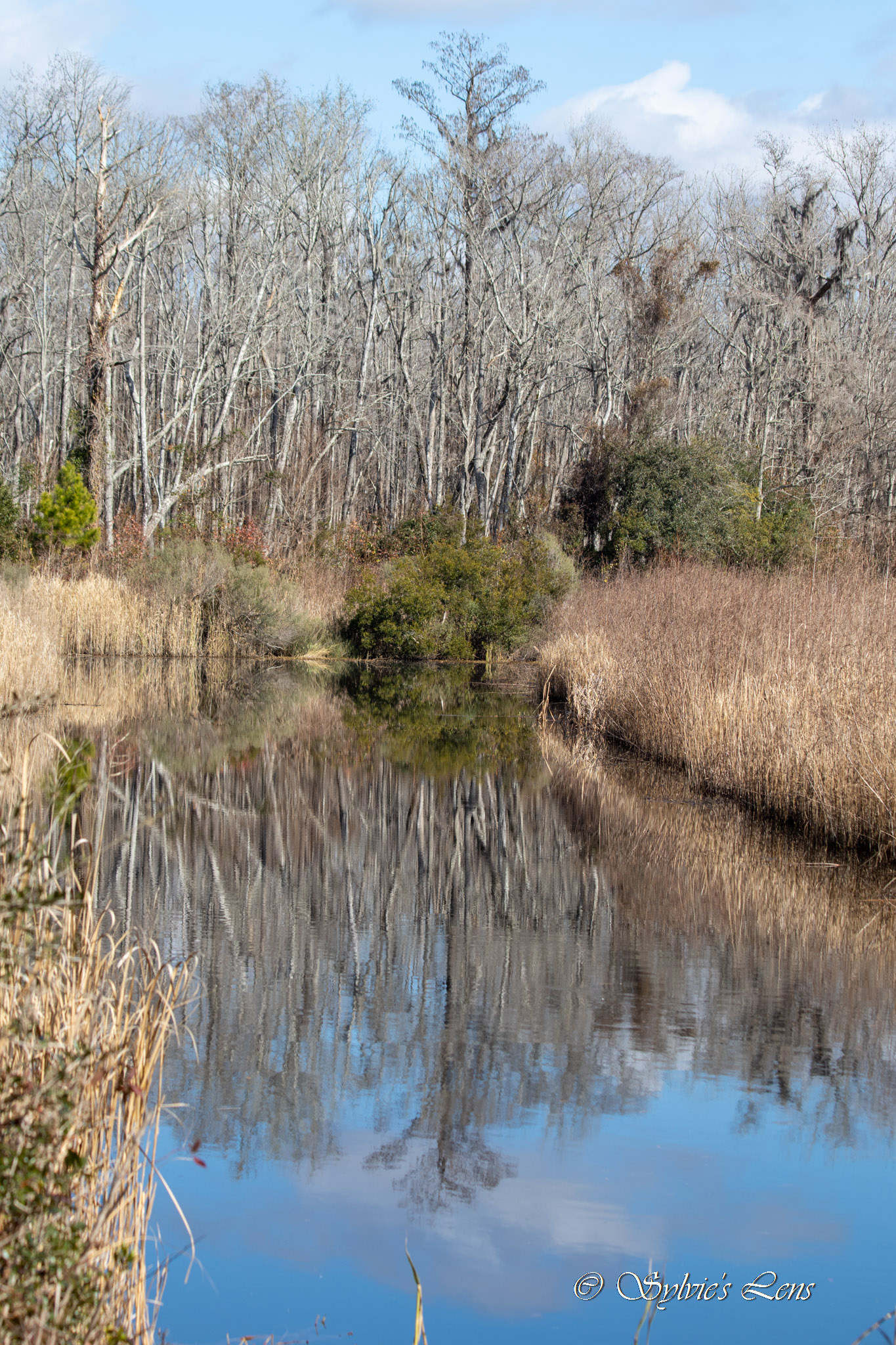
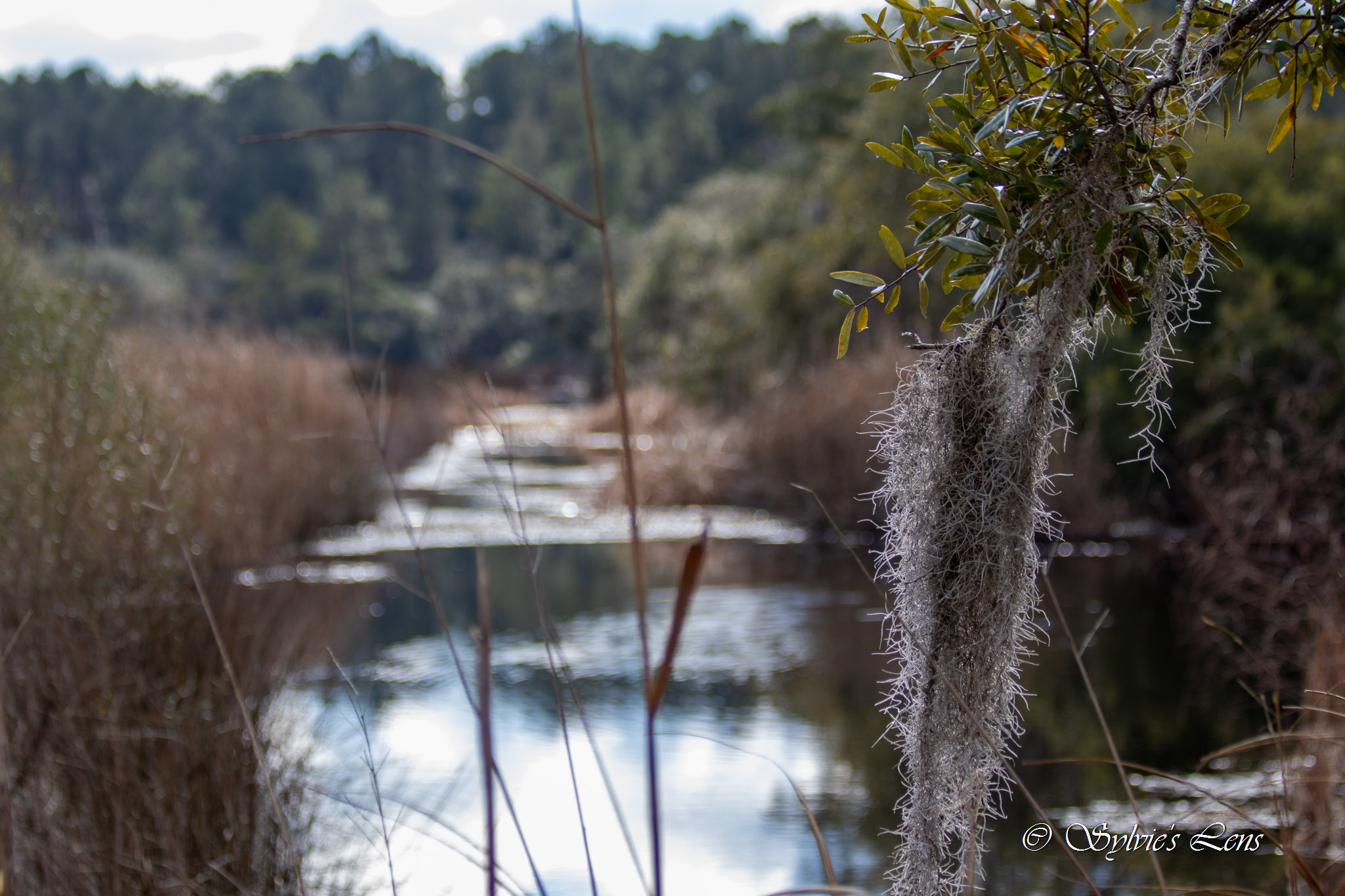
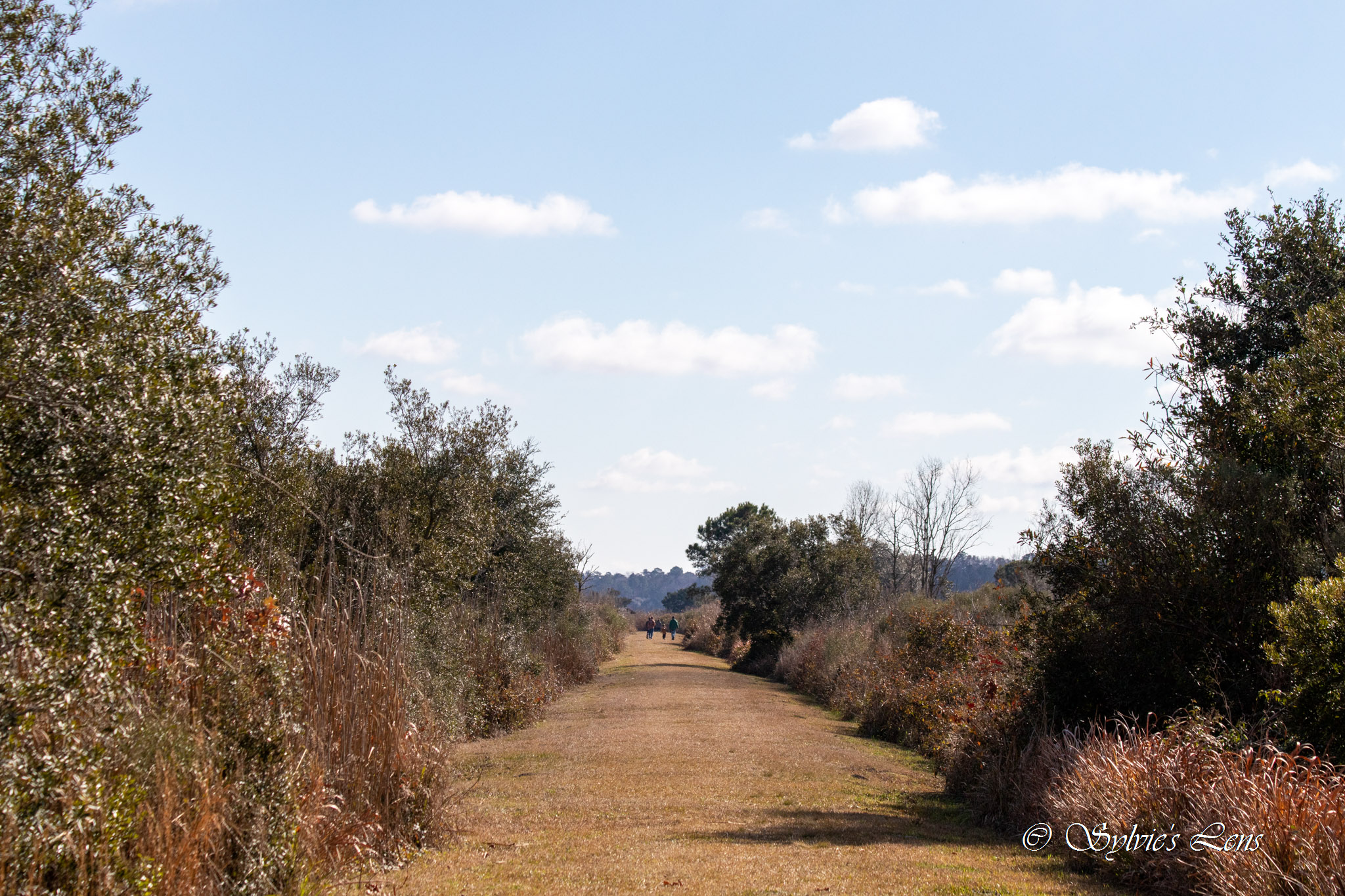
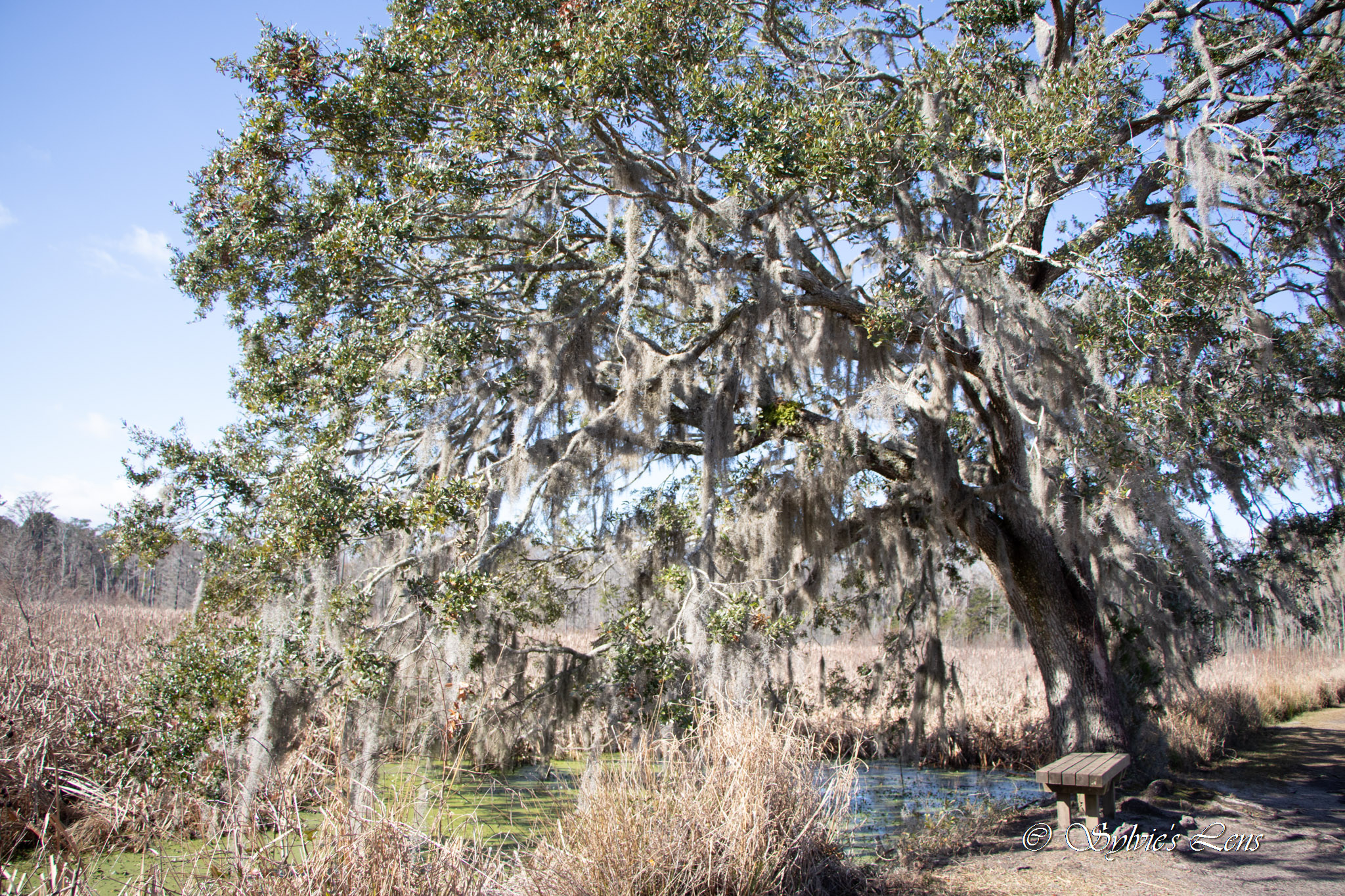
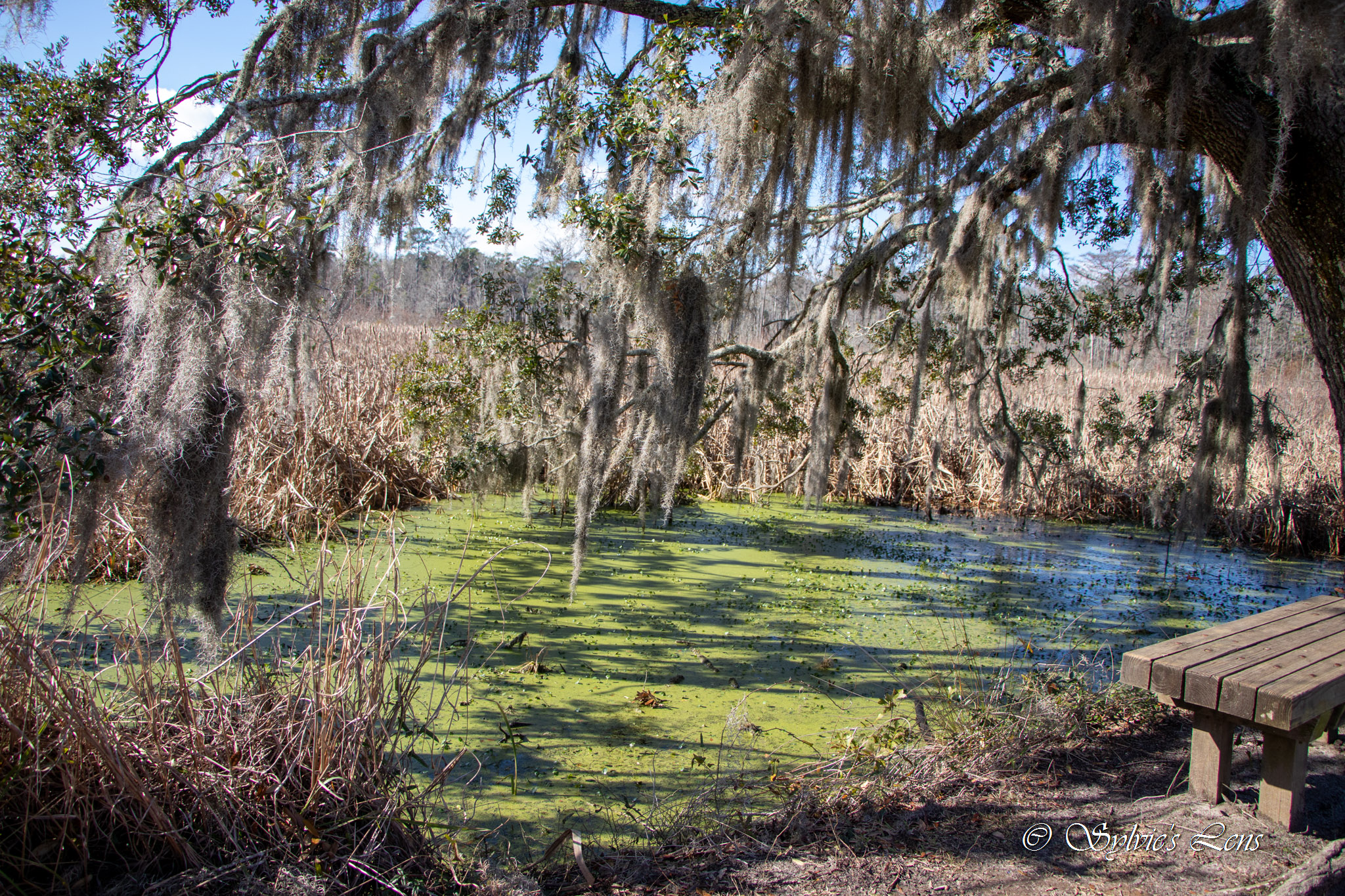
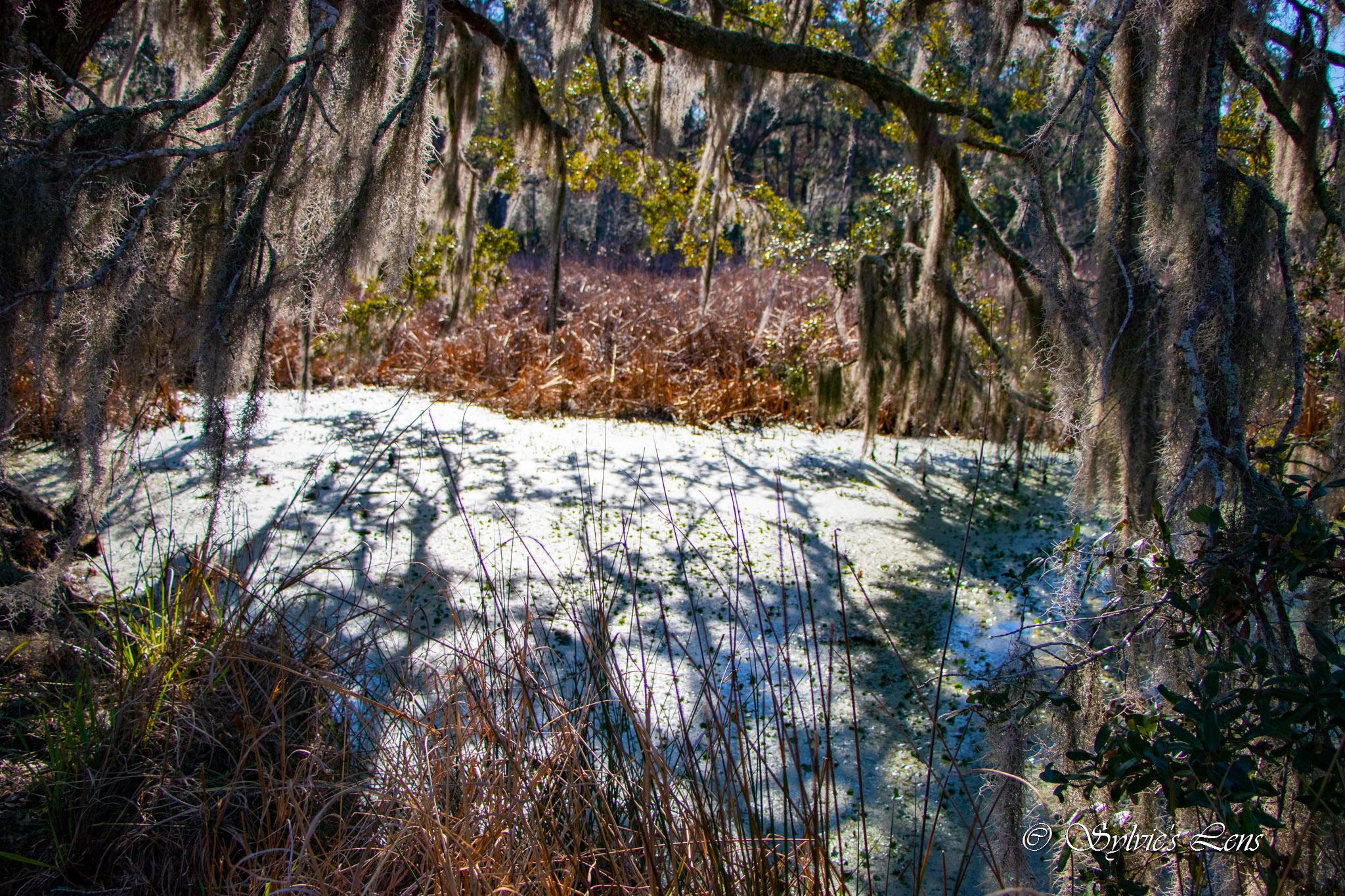
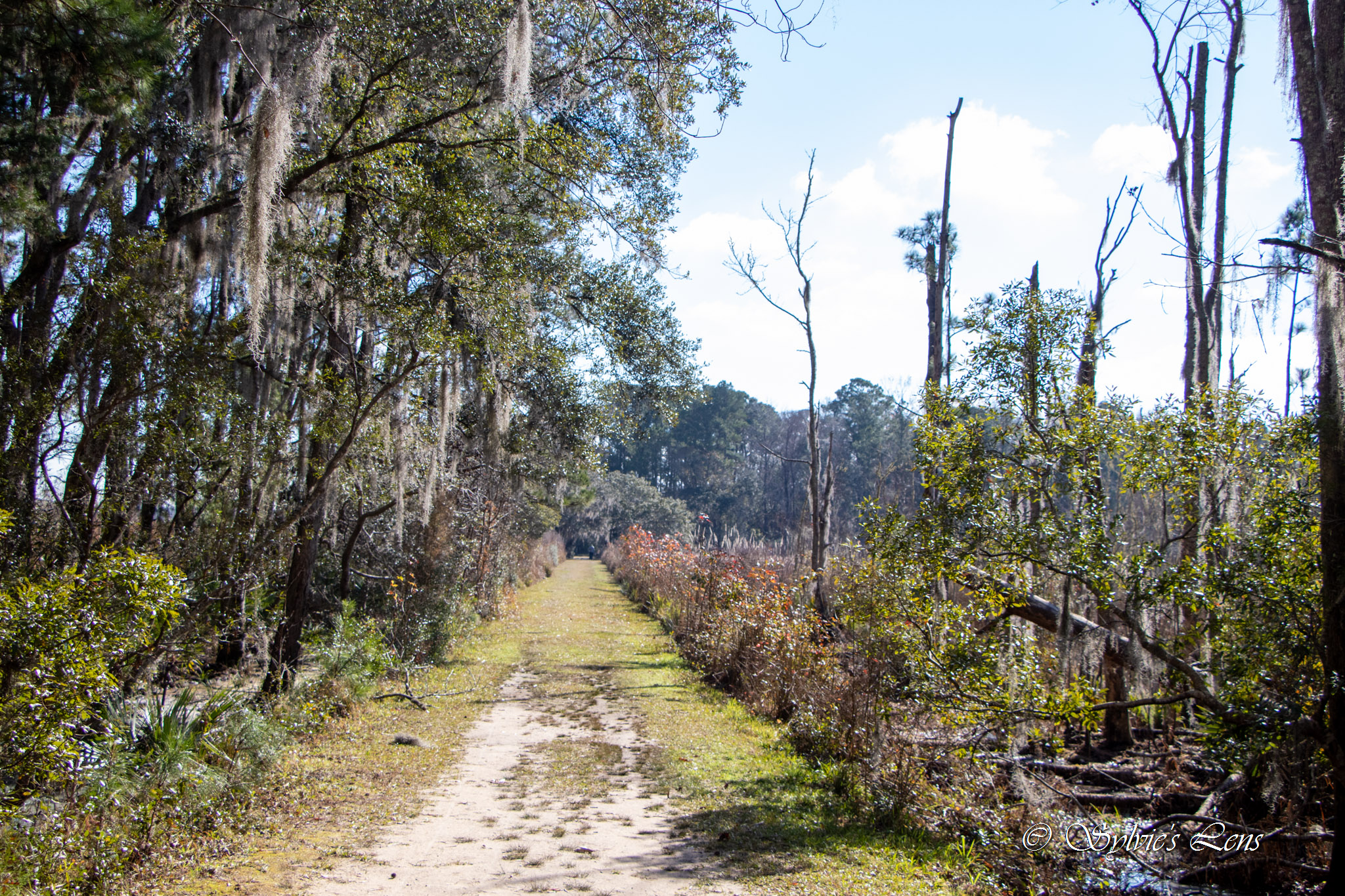
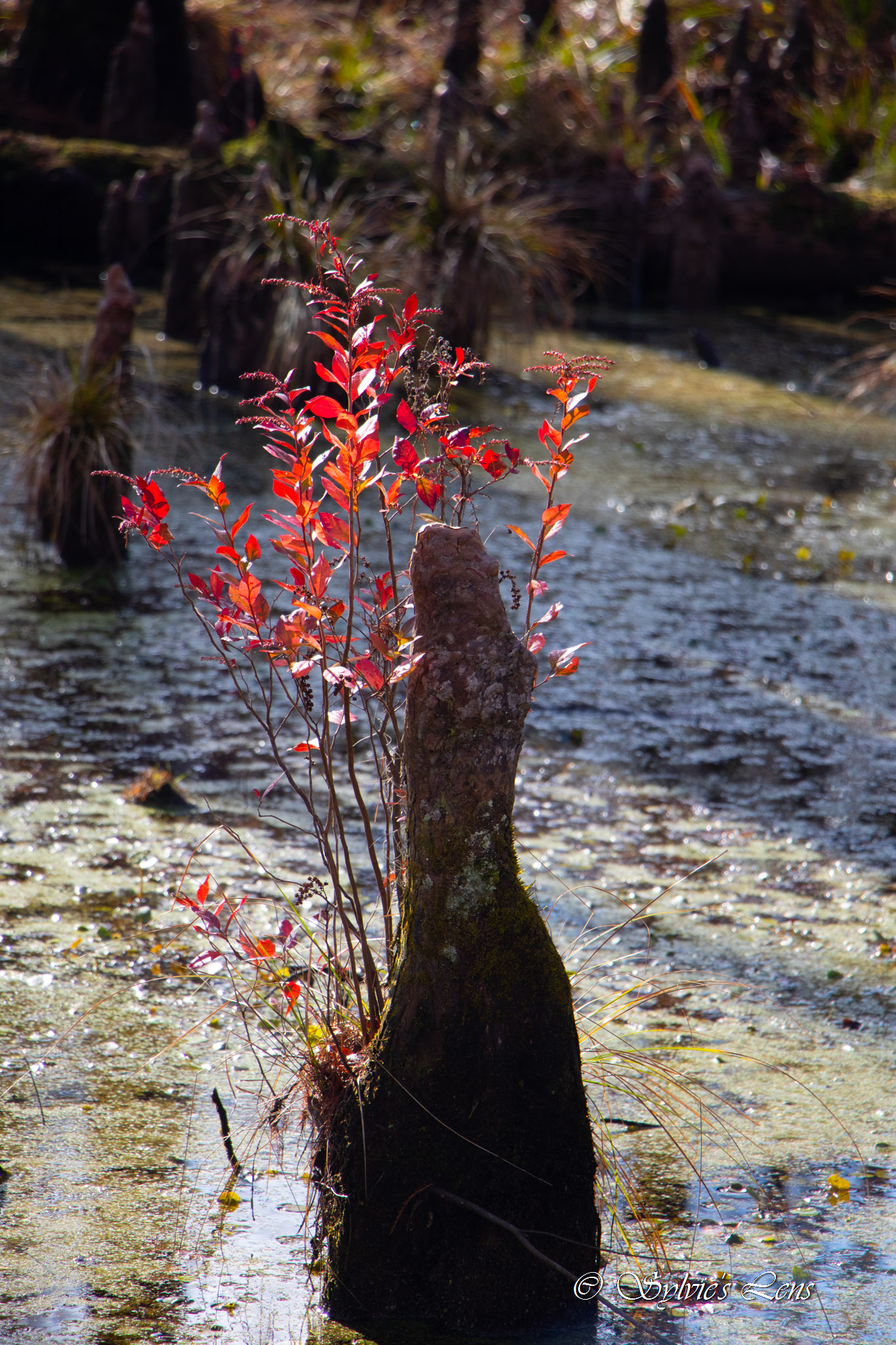
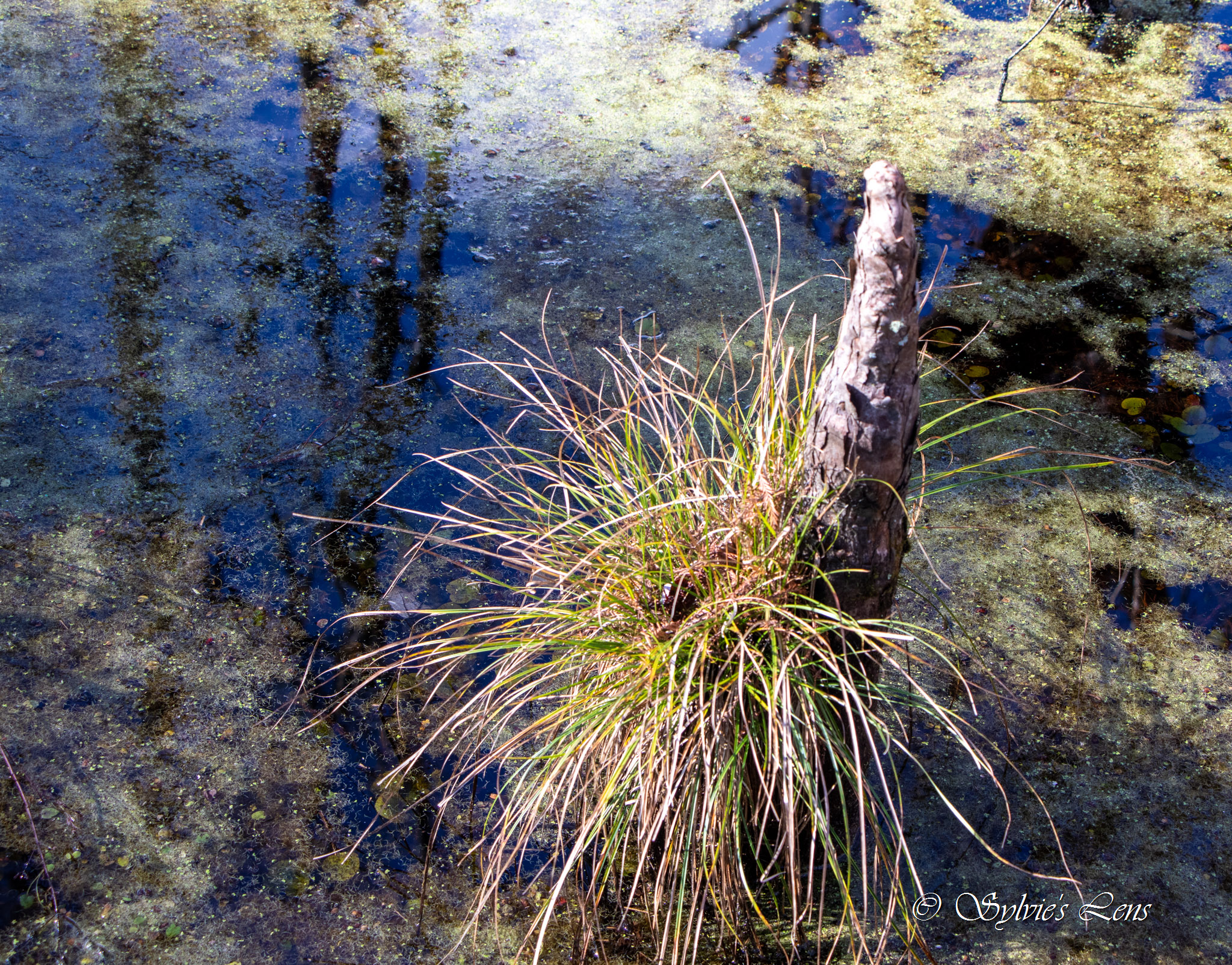
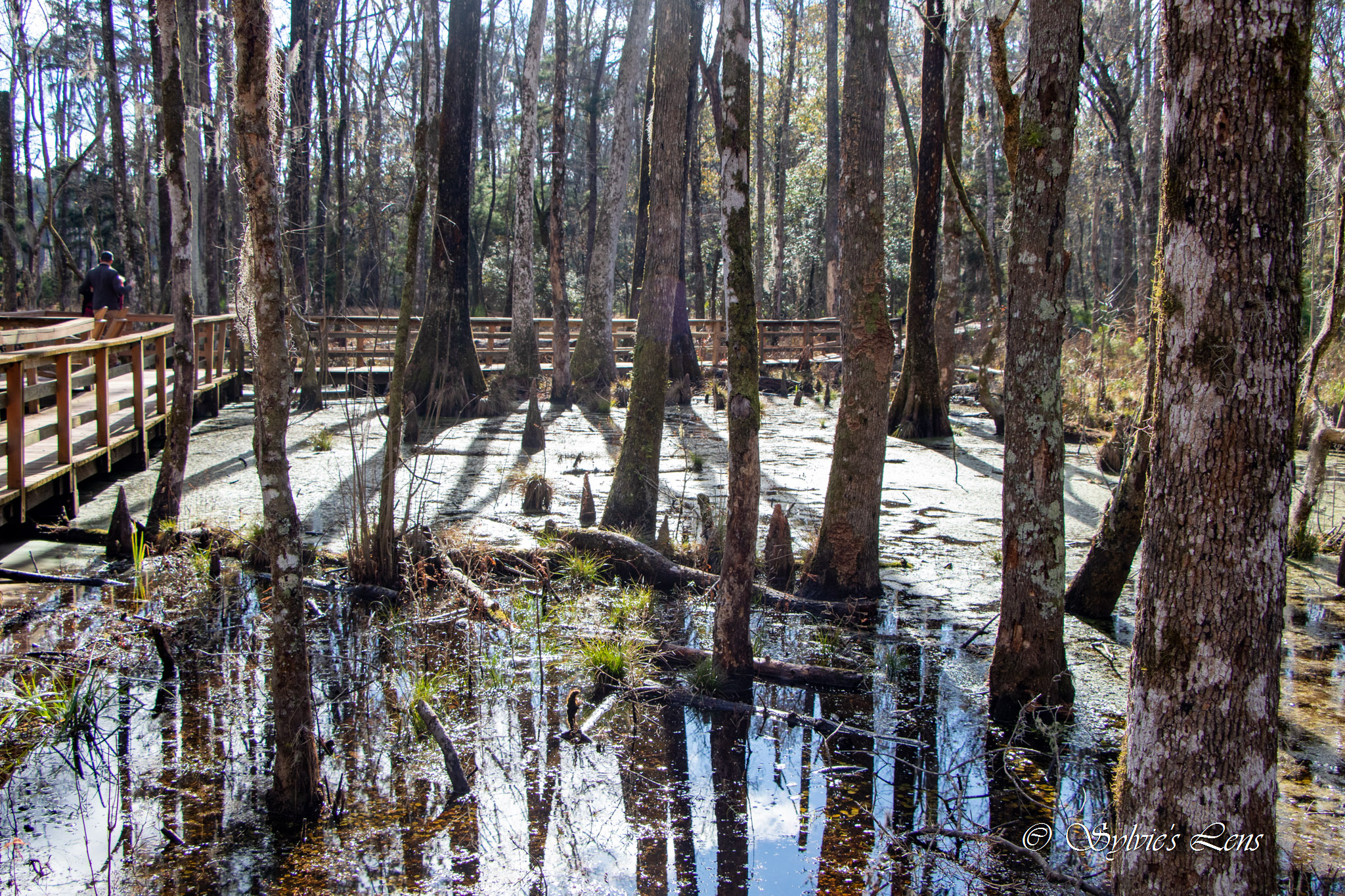
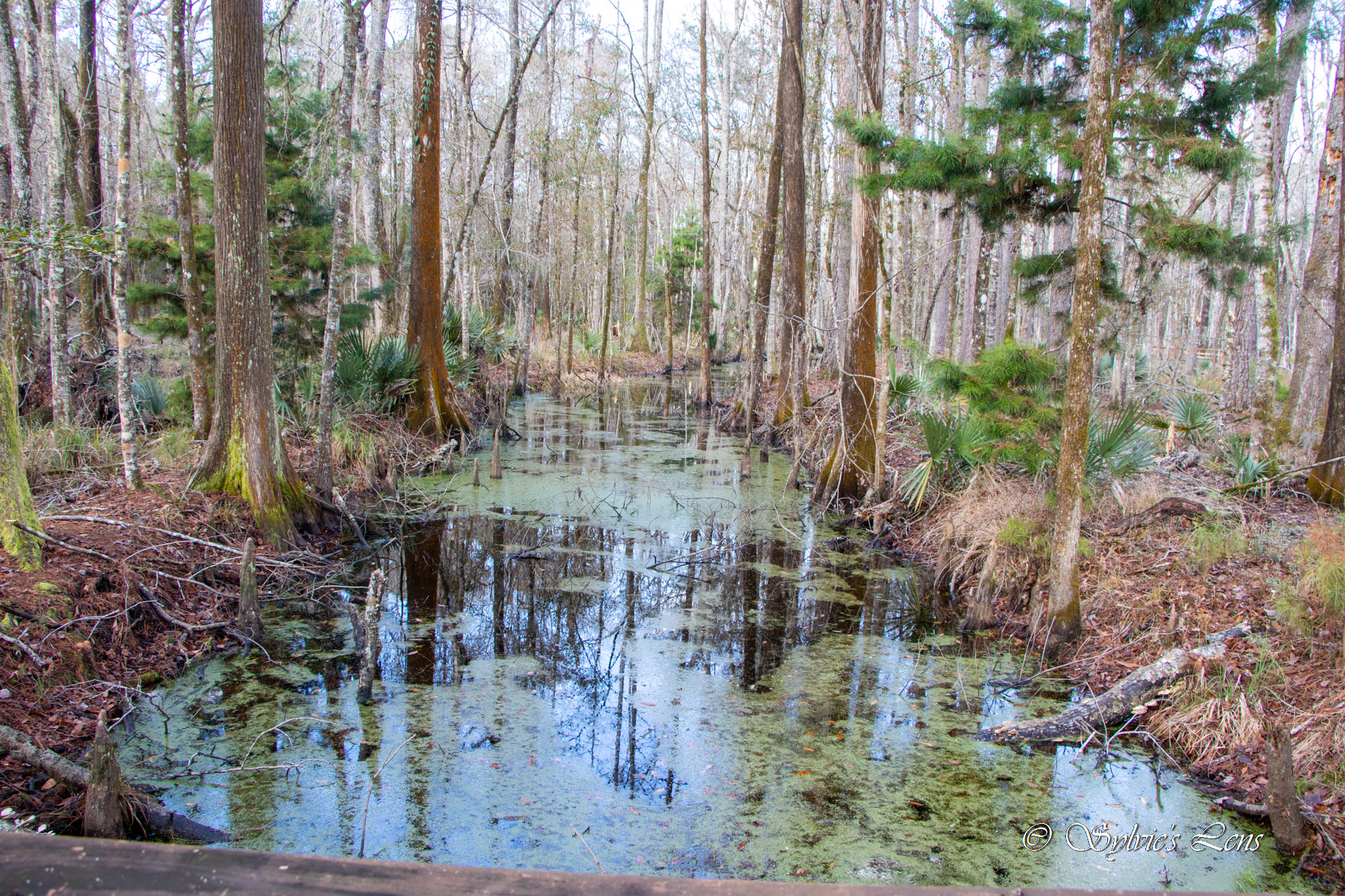
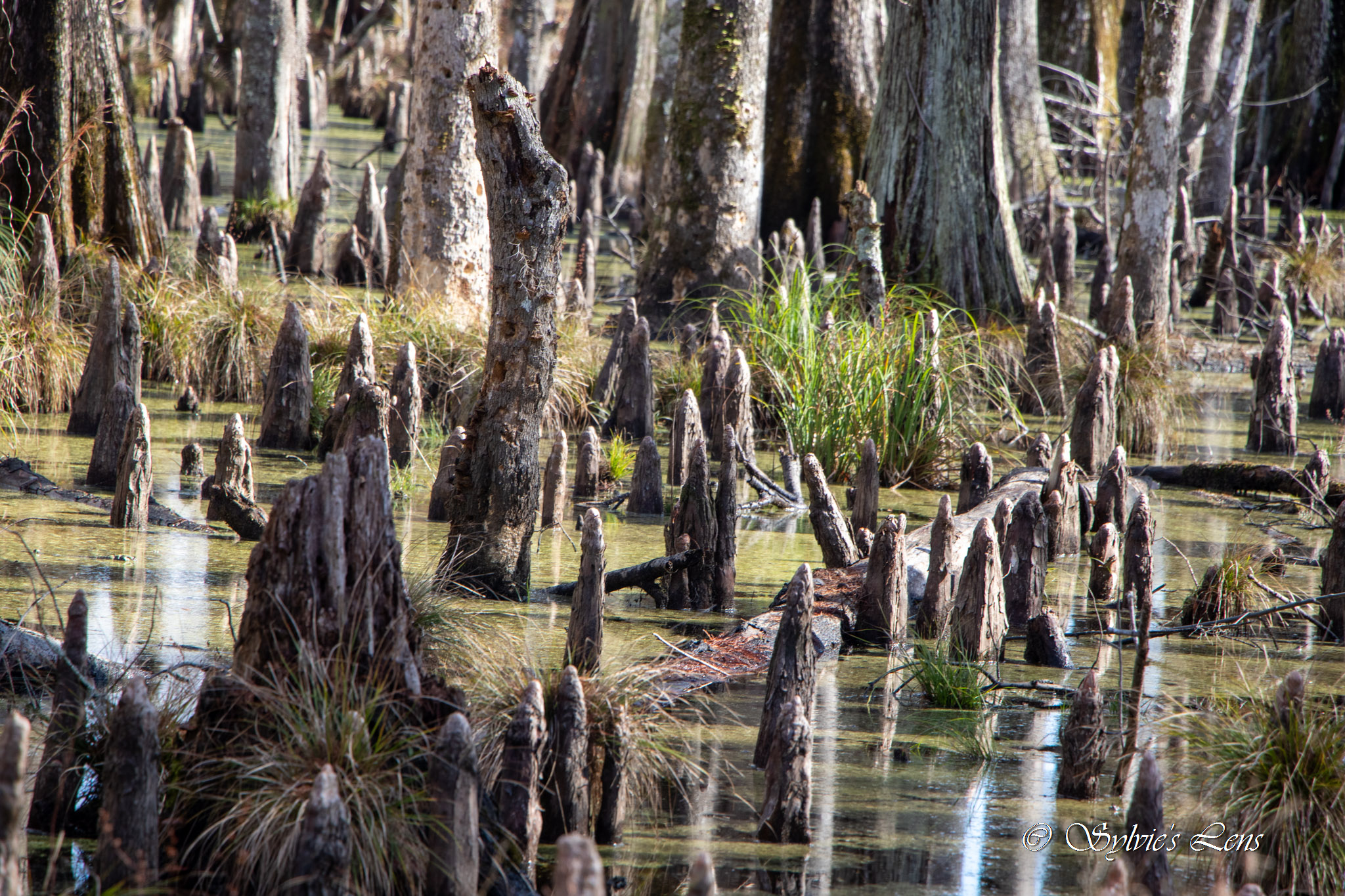
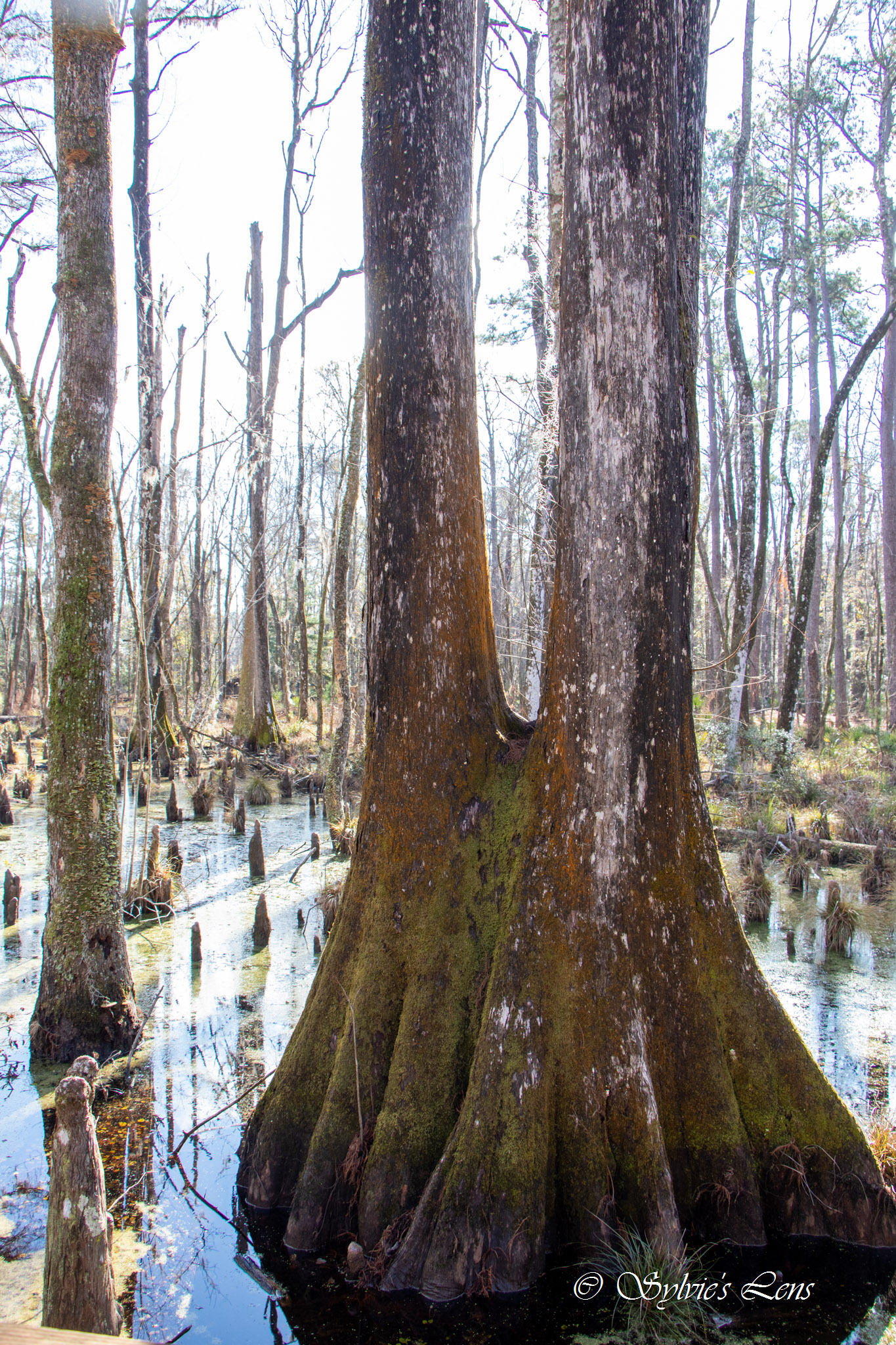
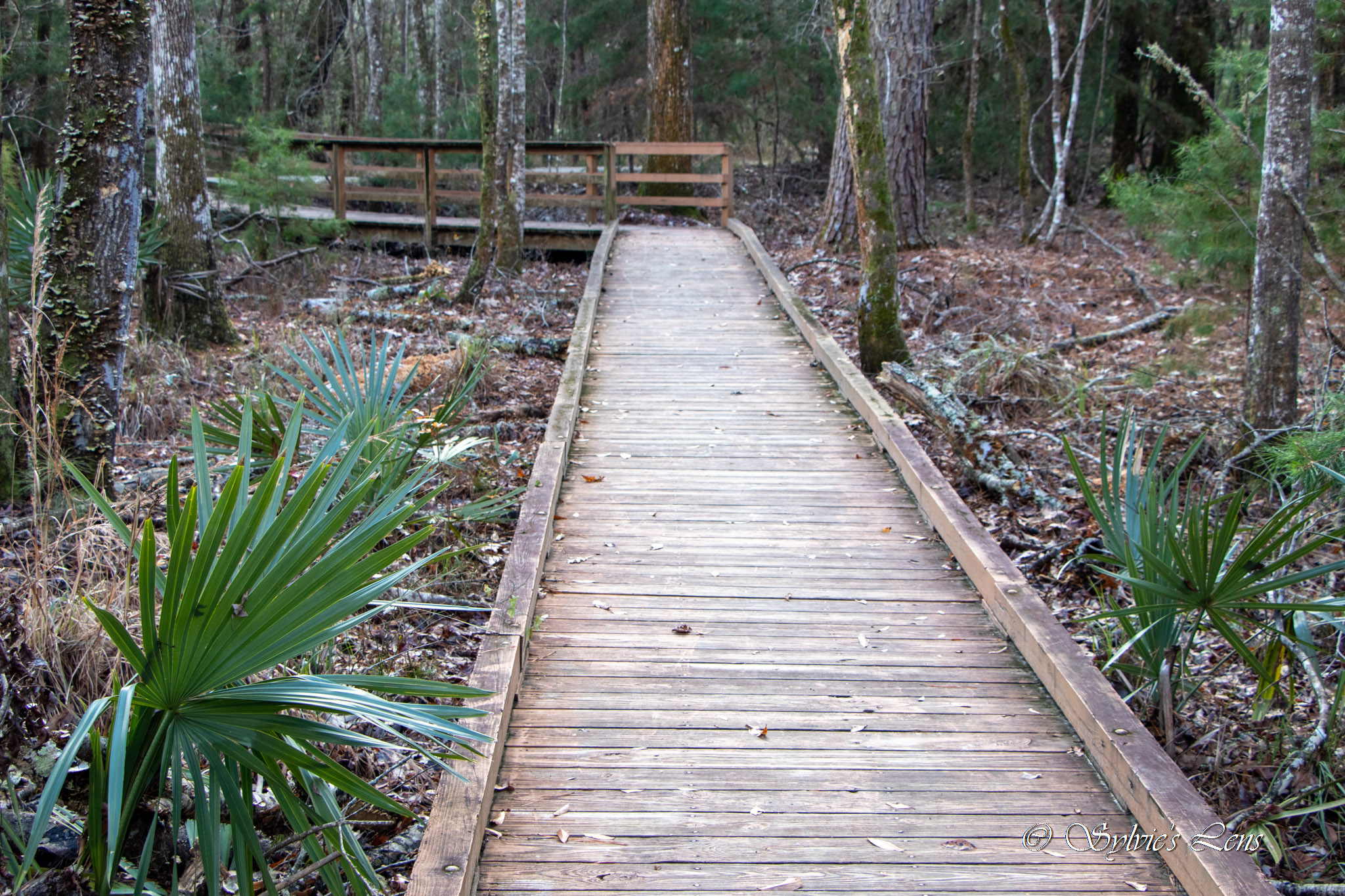
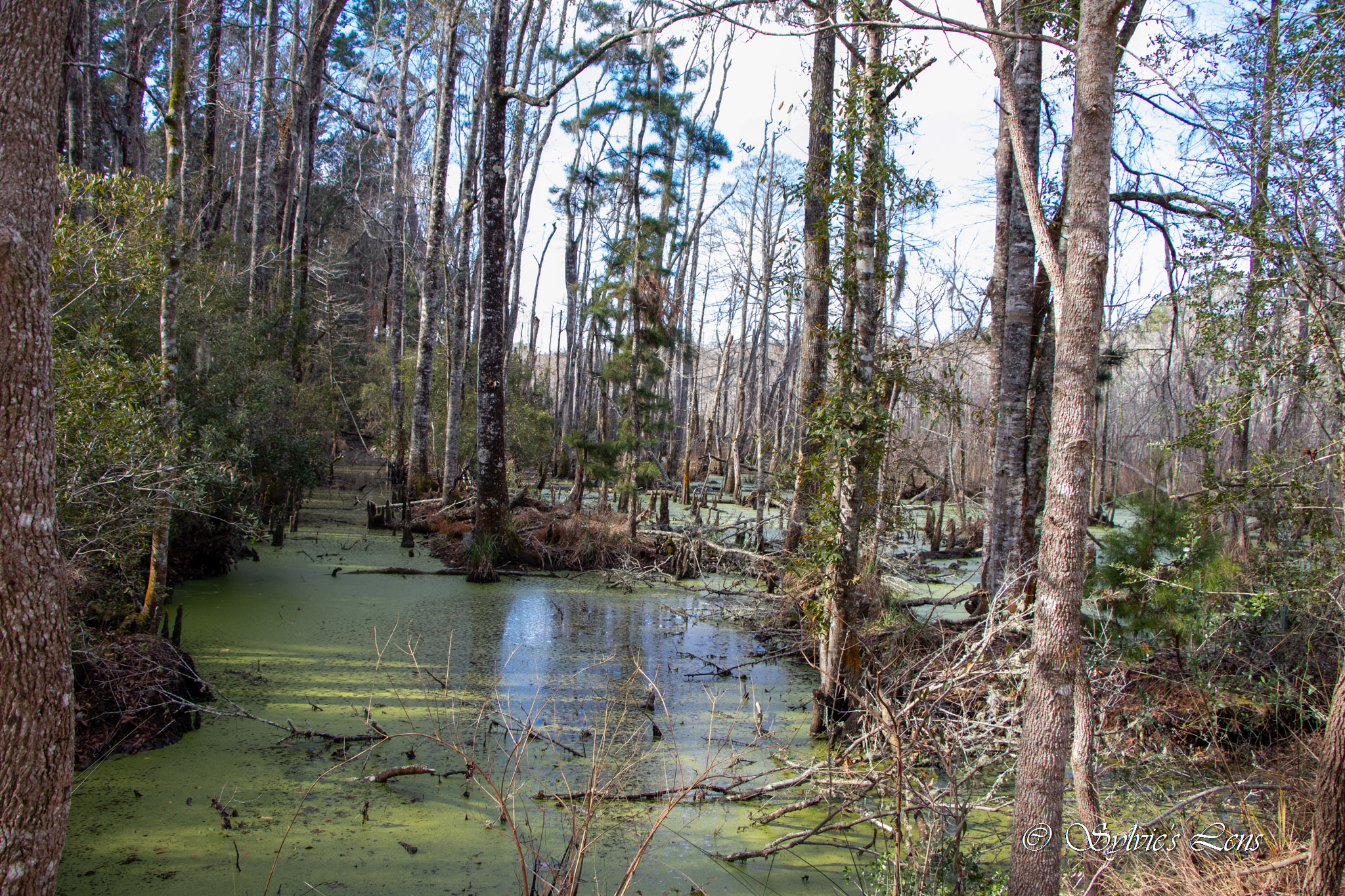
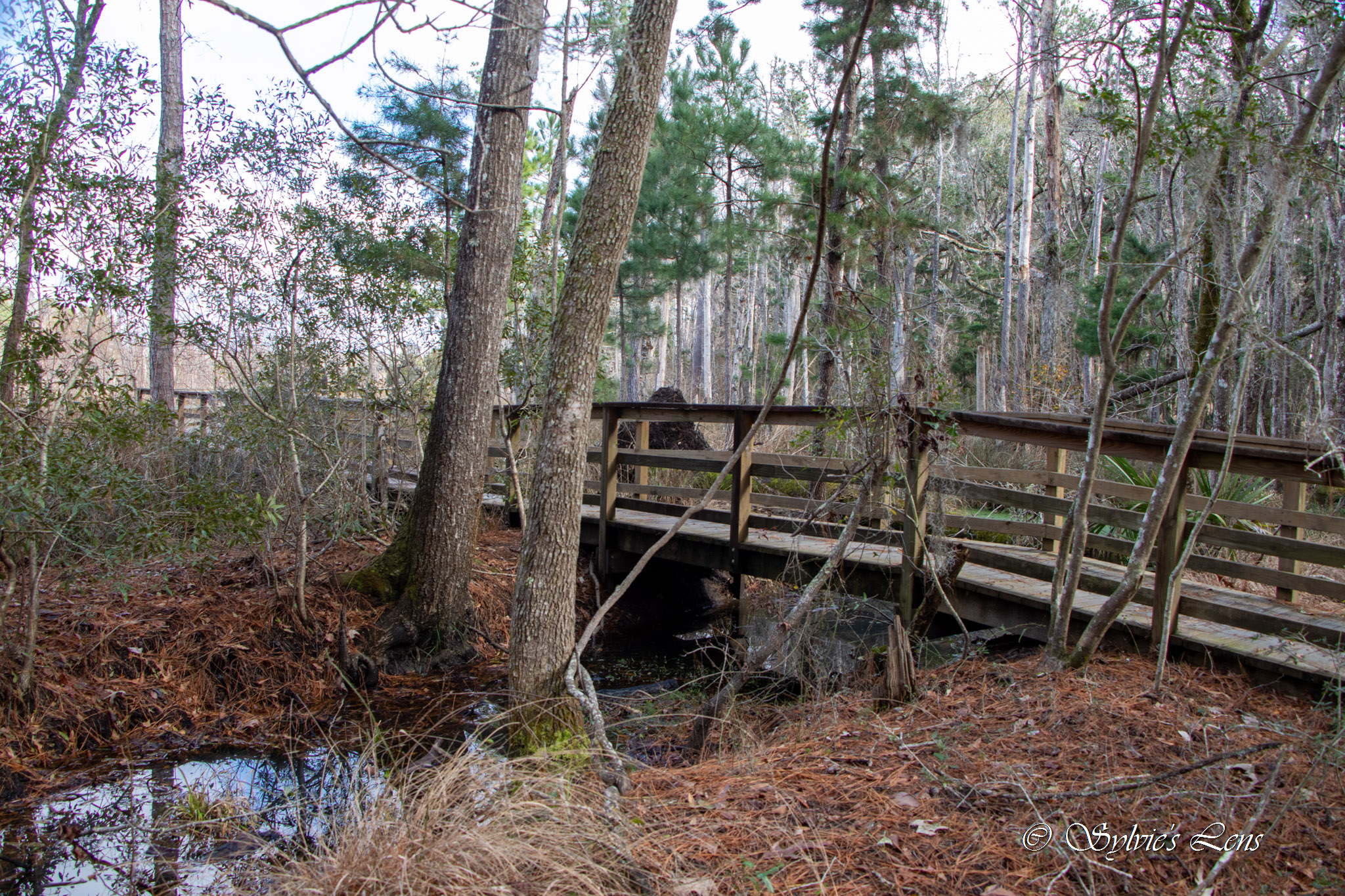
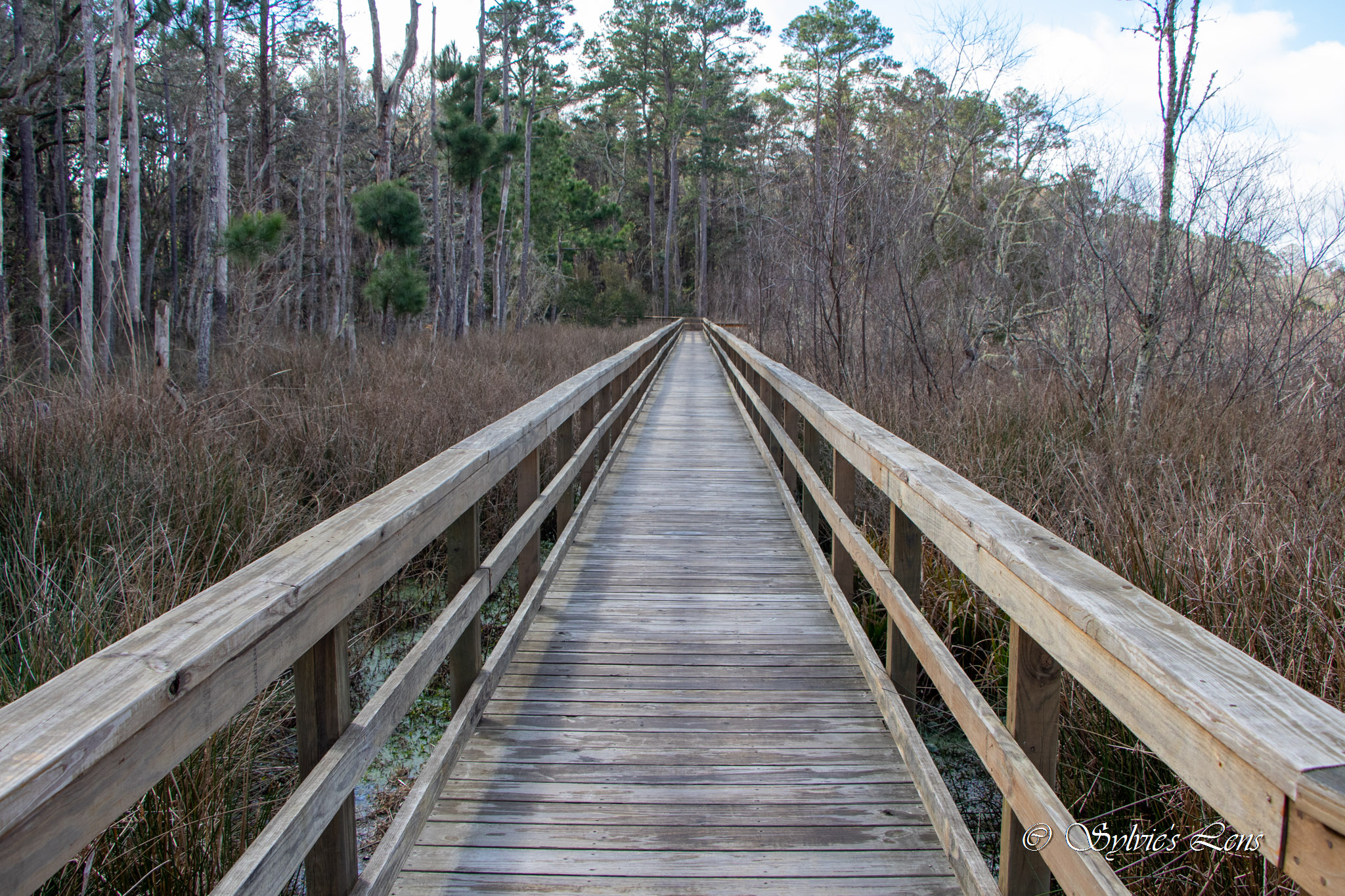
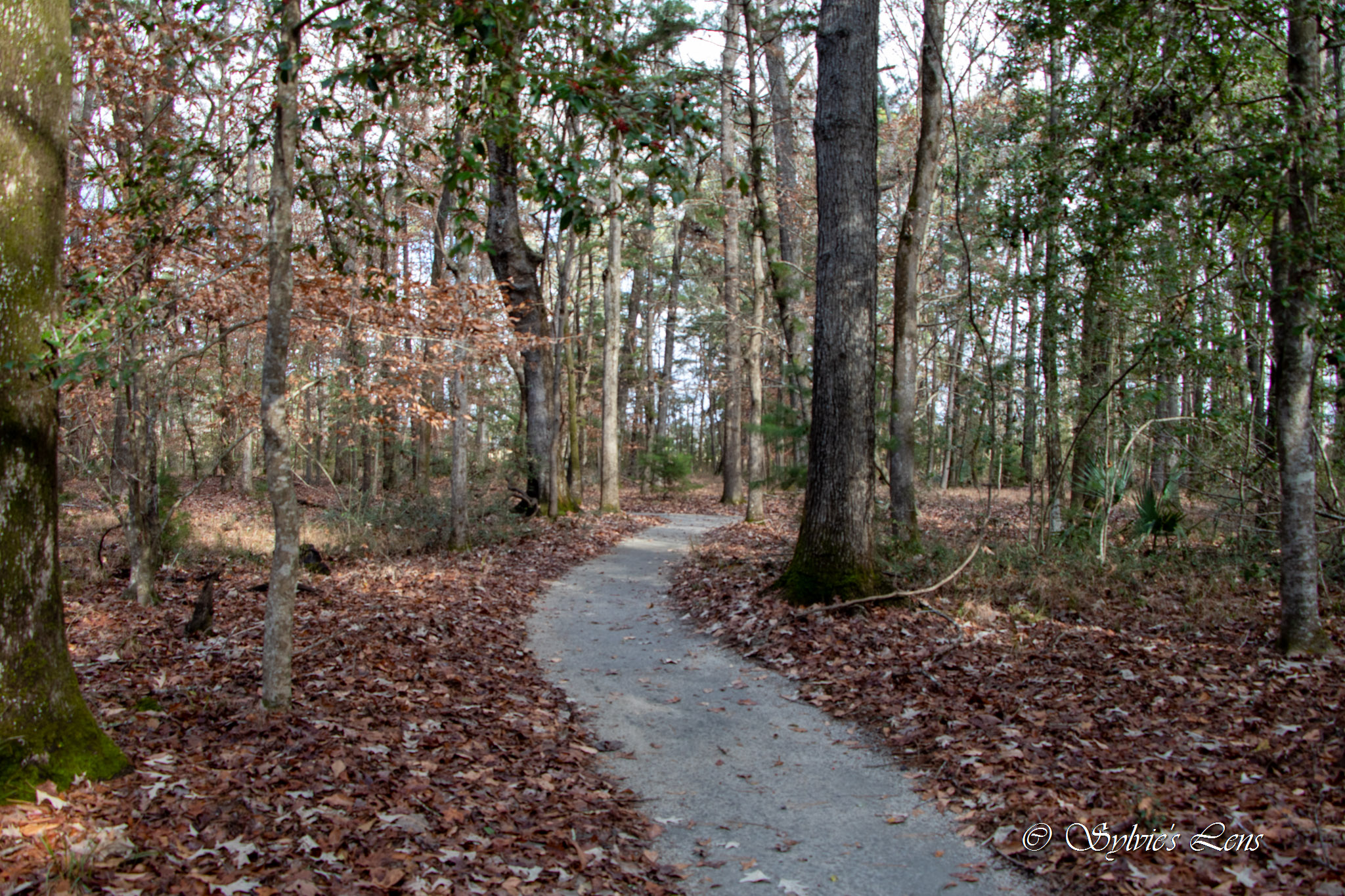
Caw Caw Interpretive Center comprises six miles of trails, each offering a blend of natural beauty and historical interpretation. We followed boardwalks stretching over swampy wetlands, pausing to read the markers that detail the site’s ecological and cultural significance. The boardwalks were one of my favorite parts of the visit—elevated paths that let you walk directly above the swamp, surrounded by still water, cypress trees, and the soft rustle of wildlife.
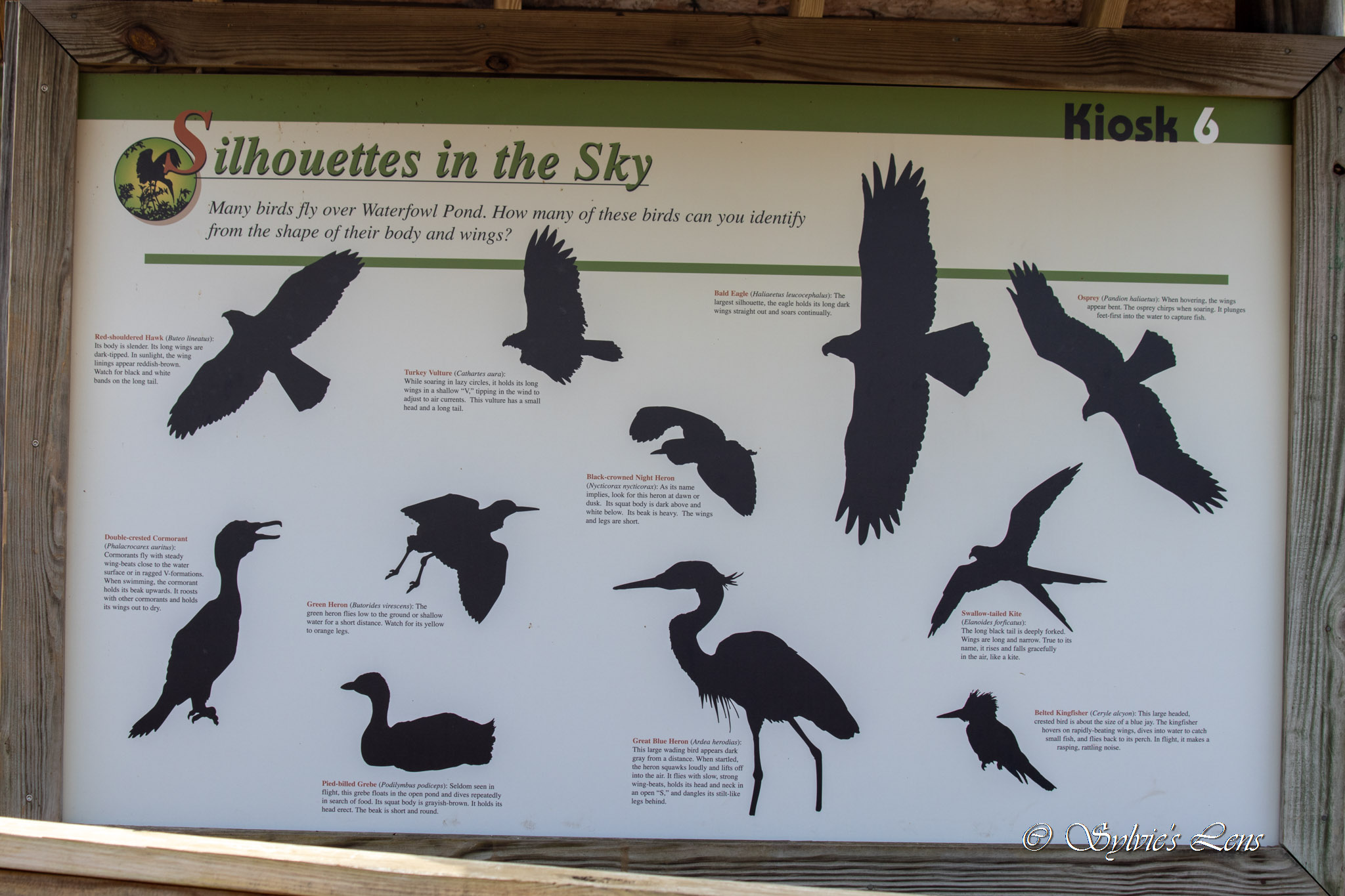
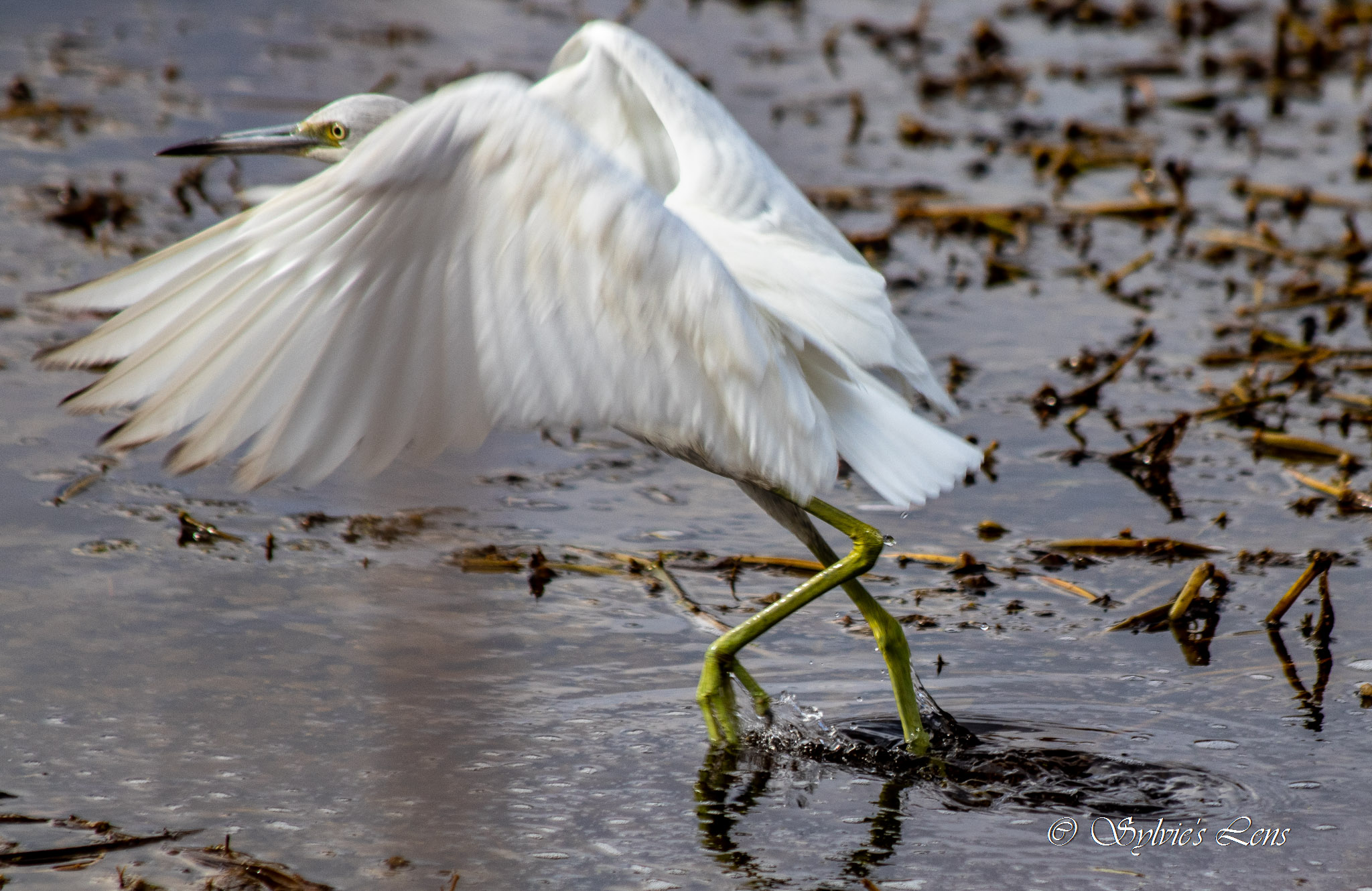
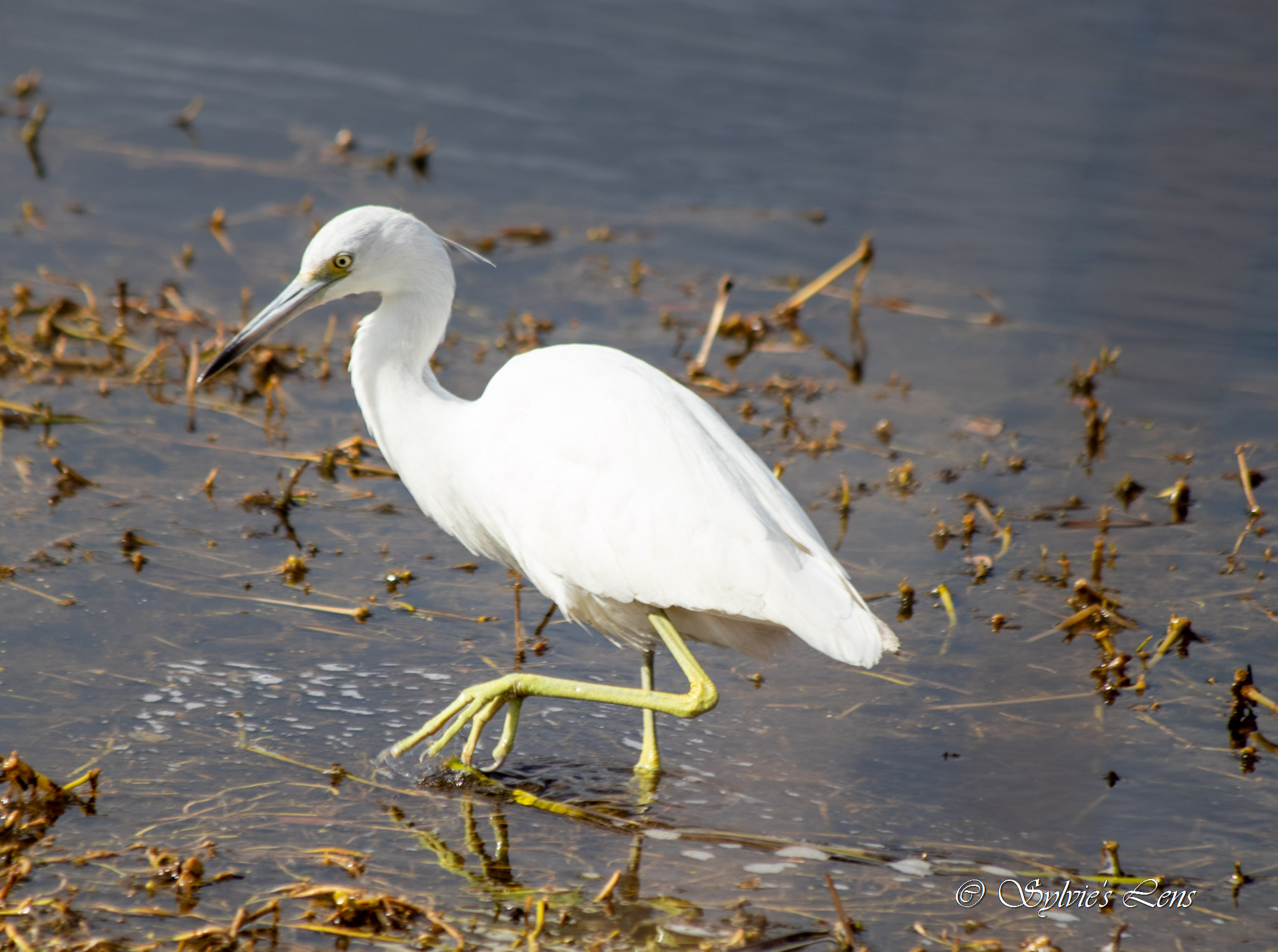
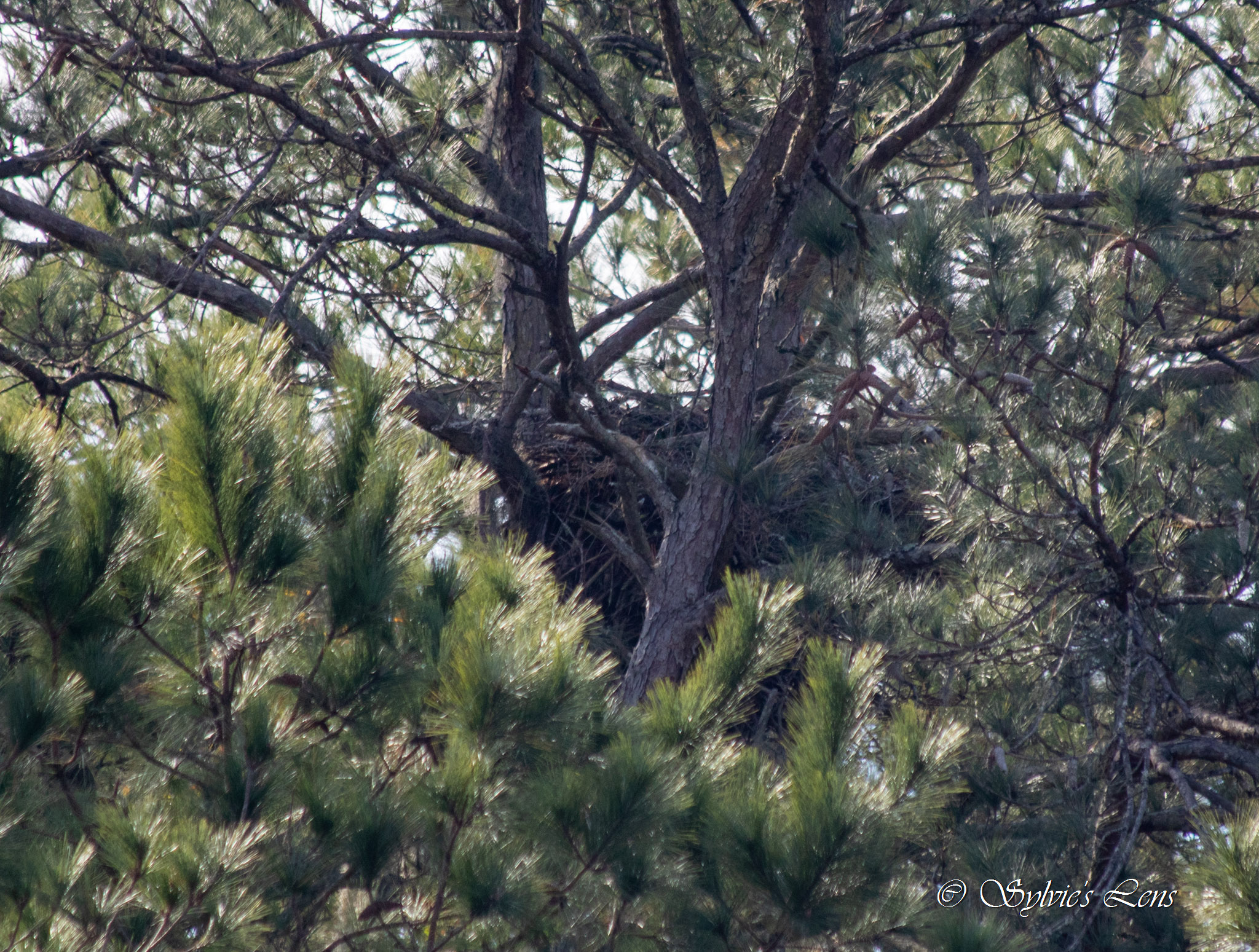
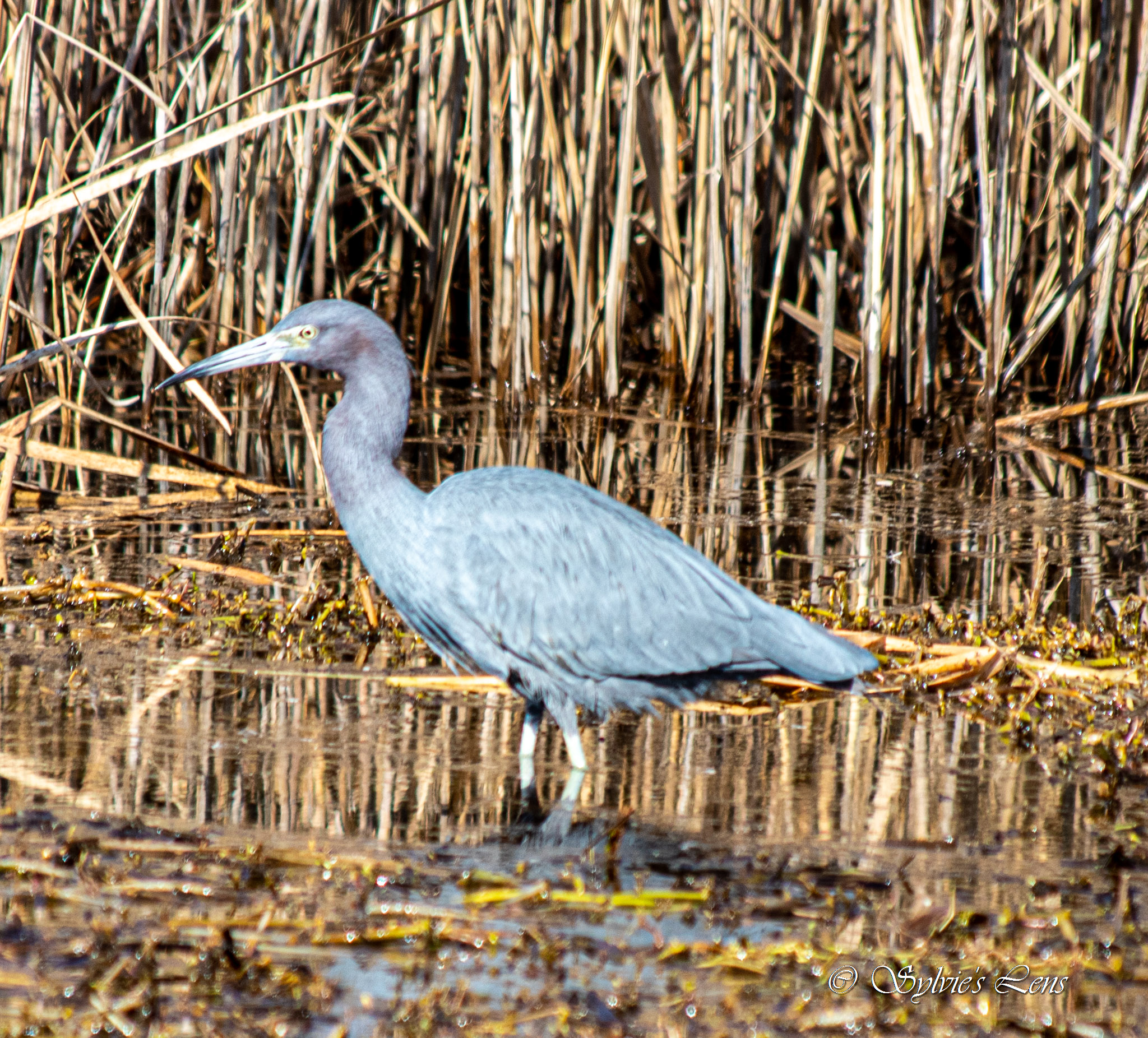
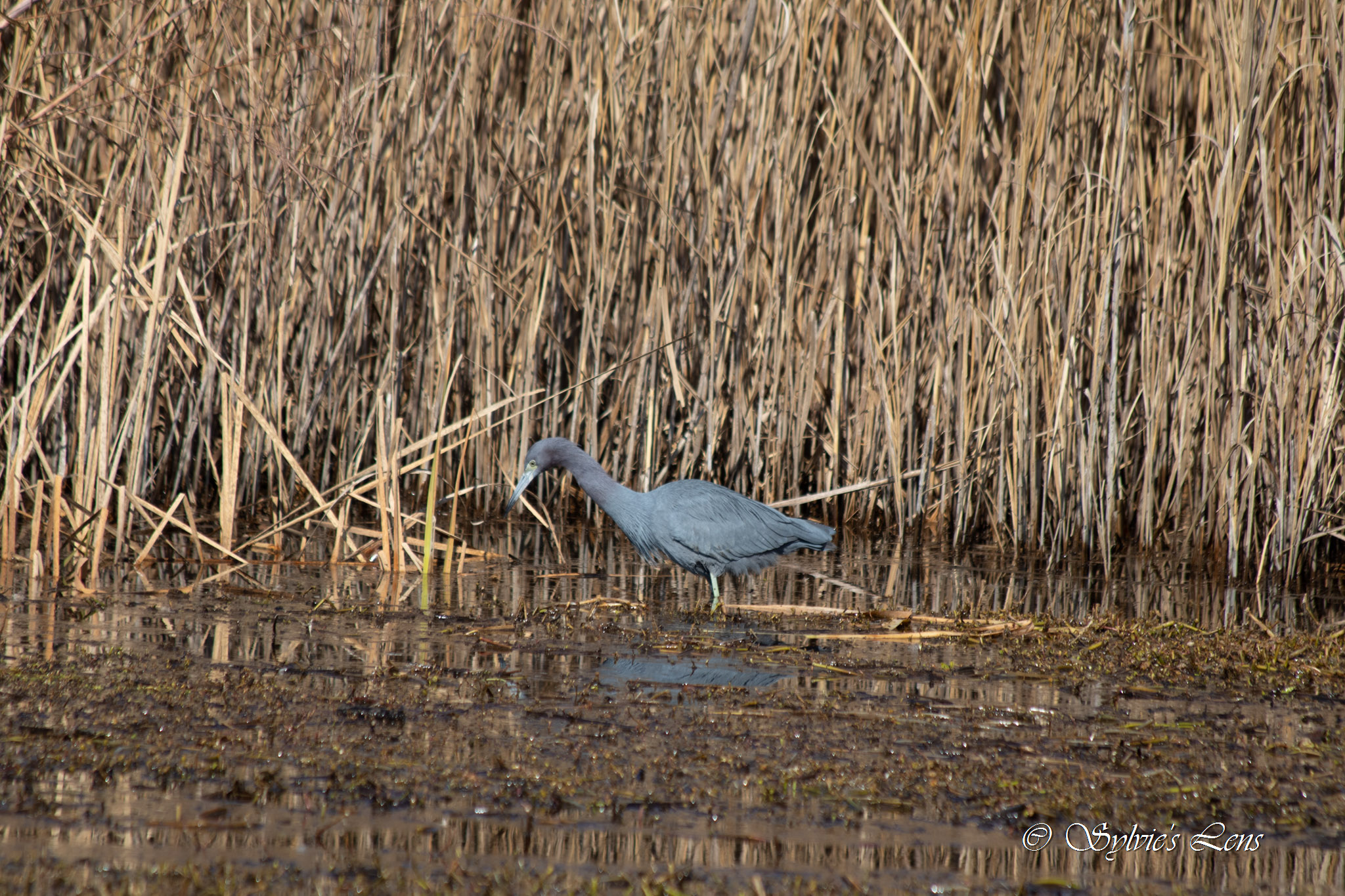
Wildlife sightings are plentiful at Caw Caw, and our visit was no exception. We spotted egrets, herons, and several other birds moving gracefully through the wetlands. At one point, a frequent visitor pointed out an eagle’s nest, perched high above the trees. Although we didn’t see the eagle that day, knowing it was nearby added a sense of excitement and anticipation to the walk.

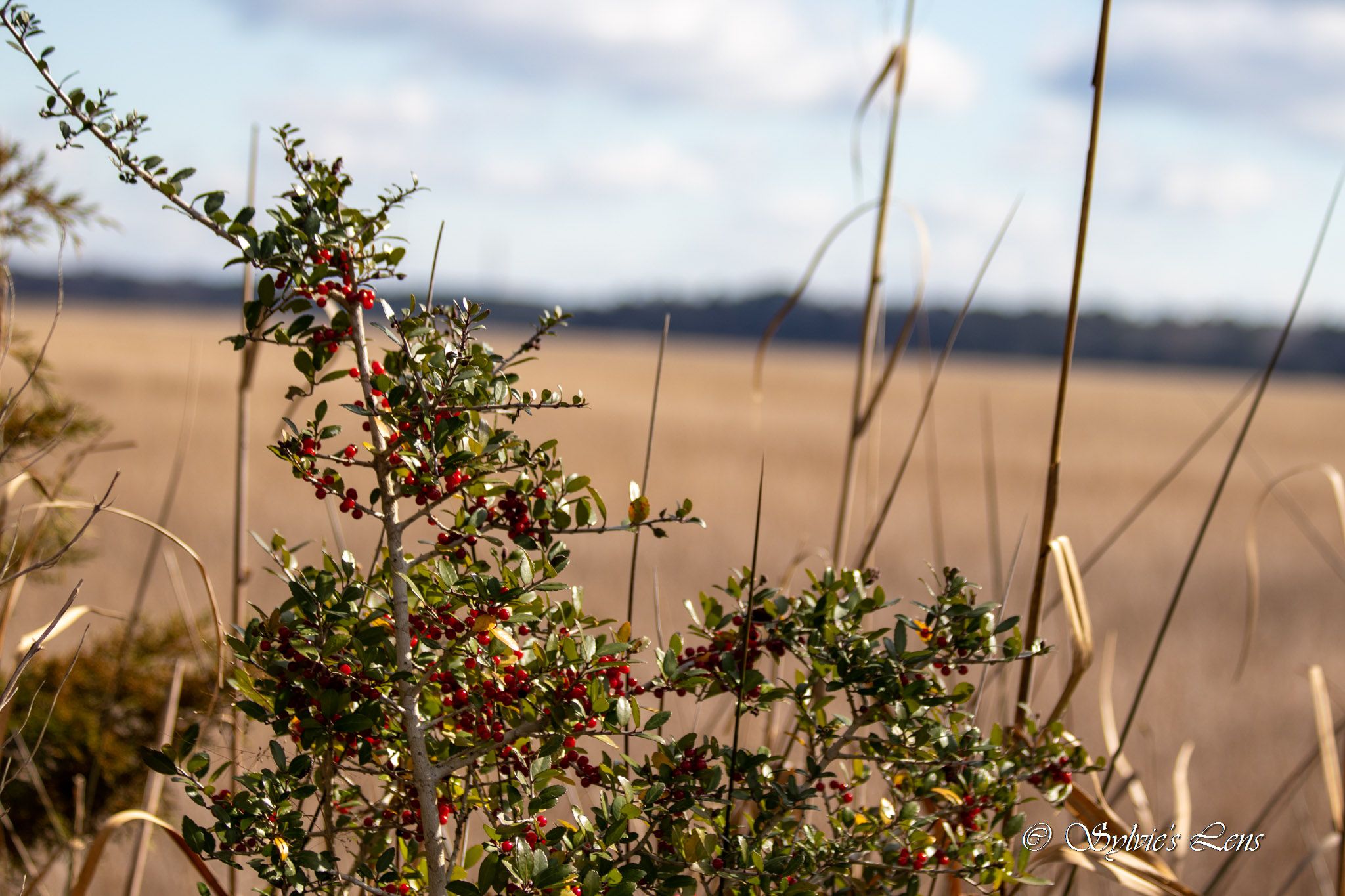
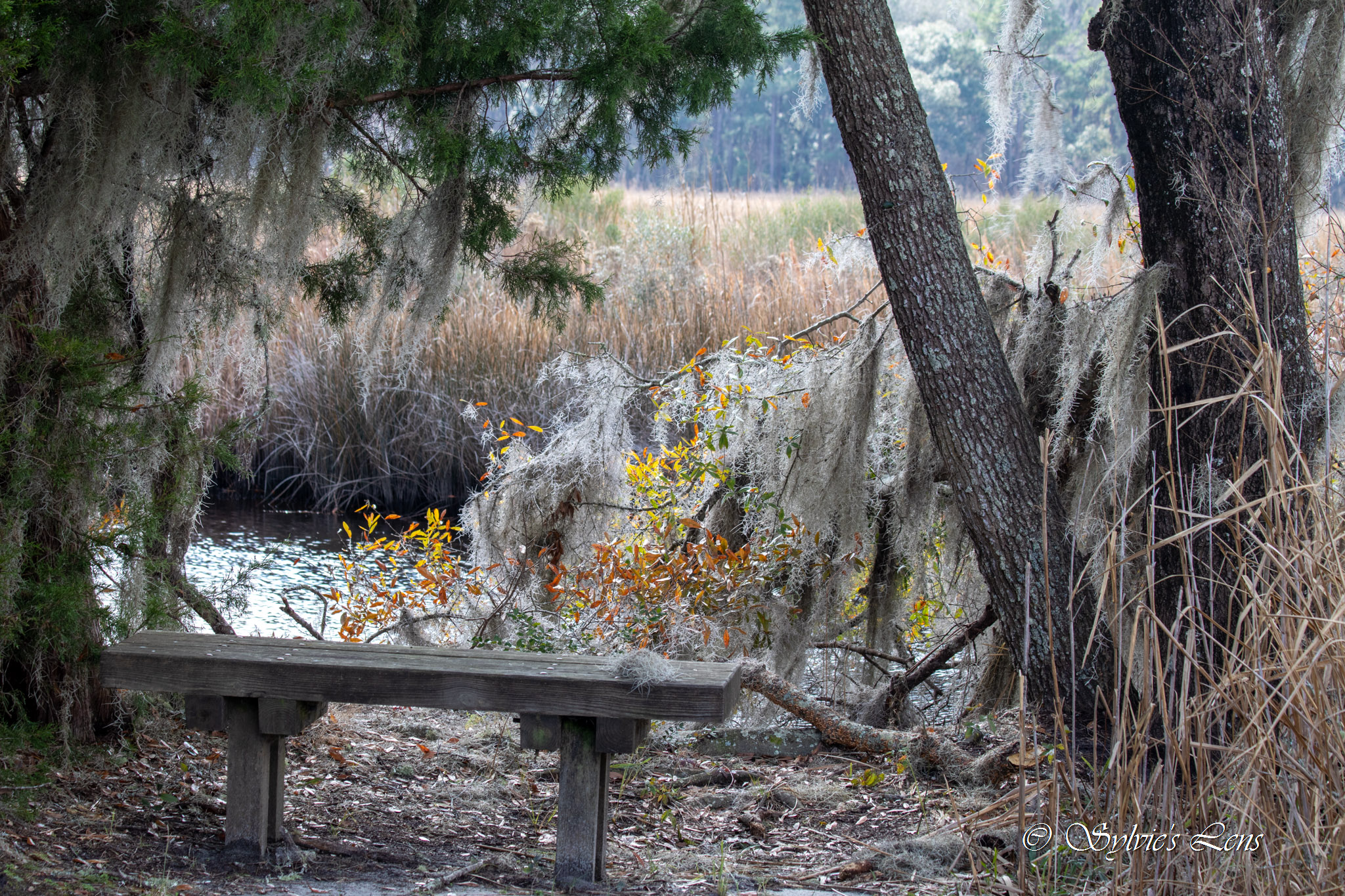
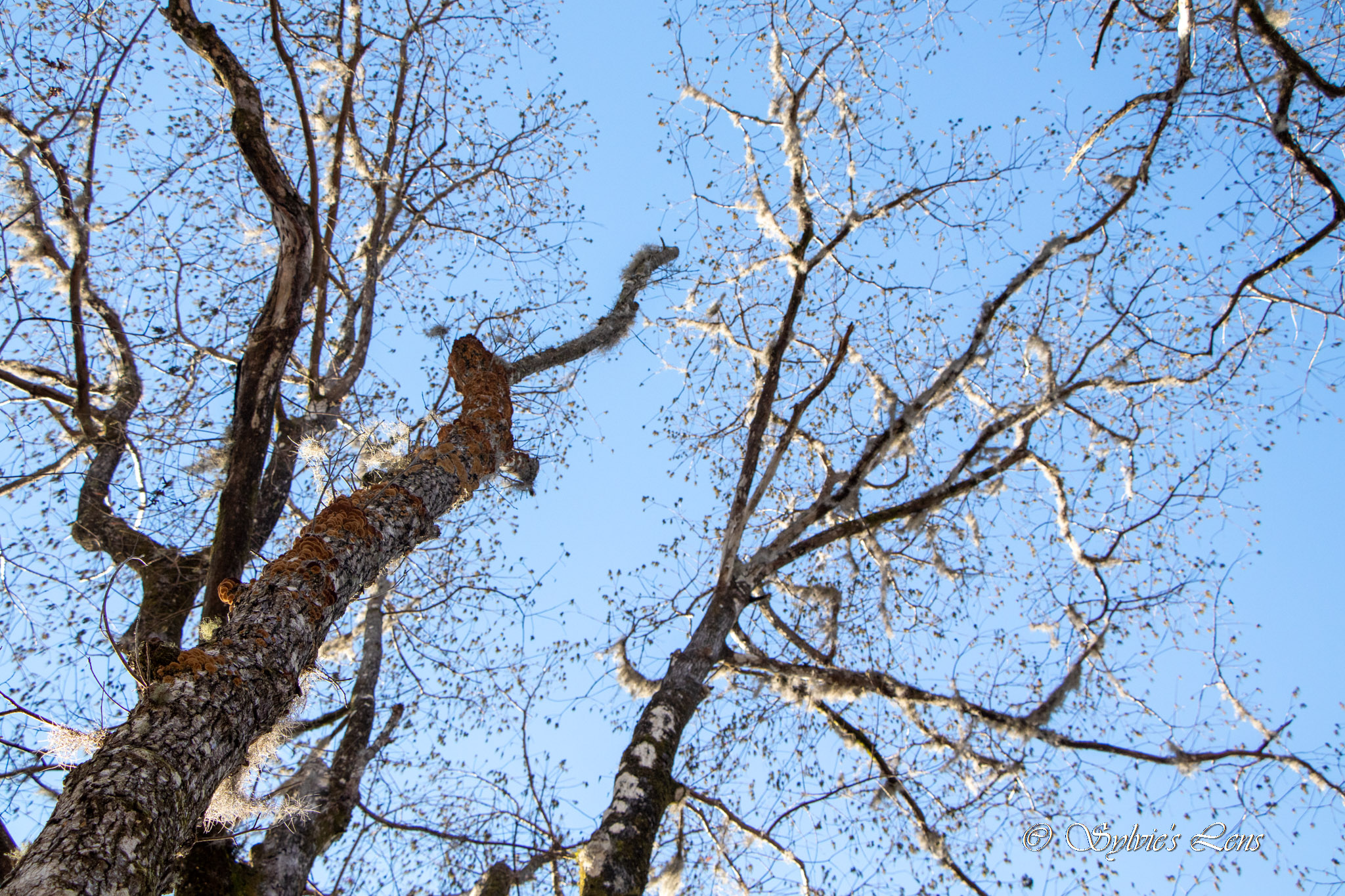
The weather was chilly, but the crisp air and bright blue sky made the experience refreshing. Winter in the Lowcountry has its own quiet charm—bare branches, golden marsh grasses, and clear views across the wetlands. Despite the cold, Laura and I enjoyed every moment of exploring Caw Caw’s trails, learning its history, and appreciating its wildlife.

I left feeling certain I would return. There’s something special about Caw Caw—its blend of history, nature, and reflection makes it a place worth revisiting. I hope next time the eagle will make an appearance, and maybe I’ll even be lucky enough to spot baby eagles in the nest. Whether you’re a history lover, a birder, or simply someone who enjoys peaceful outdoor spaces, Caw Caw deserves a spot on your Lowcountry travel list.
If You Go
- Learn the history — Interpretive signs explain rice cultivation, quarter drains, and the lives of enslaved Africans.
- Walk the boardwalks — Elevated paths offer beautiful views of the swamp and wetlands.
- Watch for wildlife — Egrets, herons, owls, and even eagles frequent the preserve.
- Explore six miles of trails — Easy to moderate paths with historical markers throughout.
- Dress for the weather — Winter can be chilly, but clear skies make for great views.
- Bring binoculars — Ideal for spotting birds and checking the eagle’s nest.
- Visit year‑round — Each season offers different wildlife and scenery.
- Pair with nearby parks — The Lowcountry has many beautiful preserves to explore.
References Caw Caw , Tripadvisor
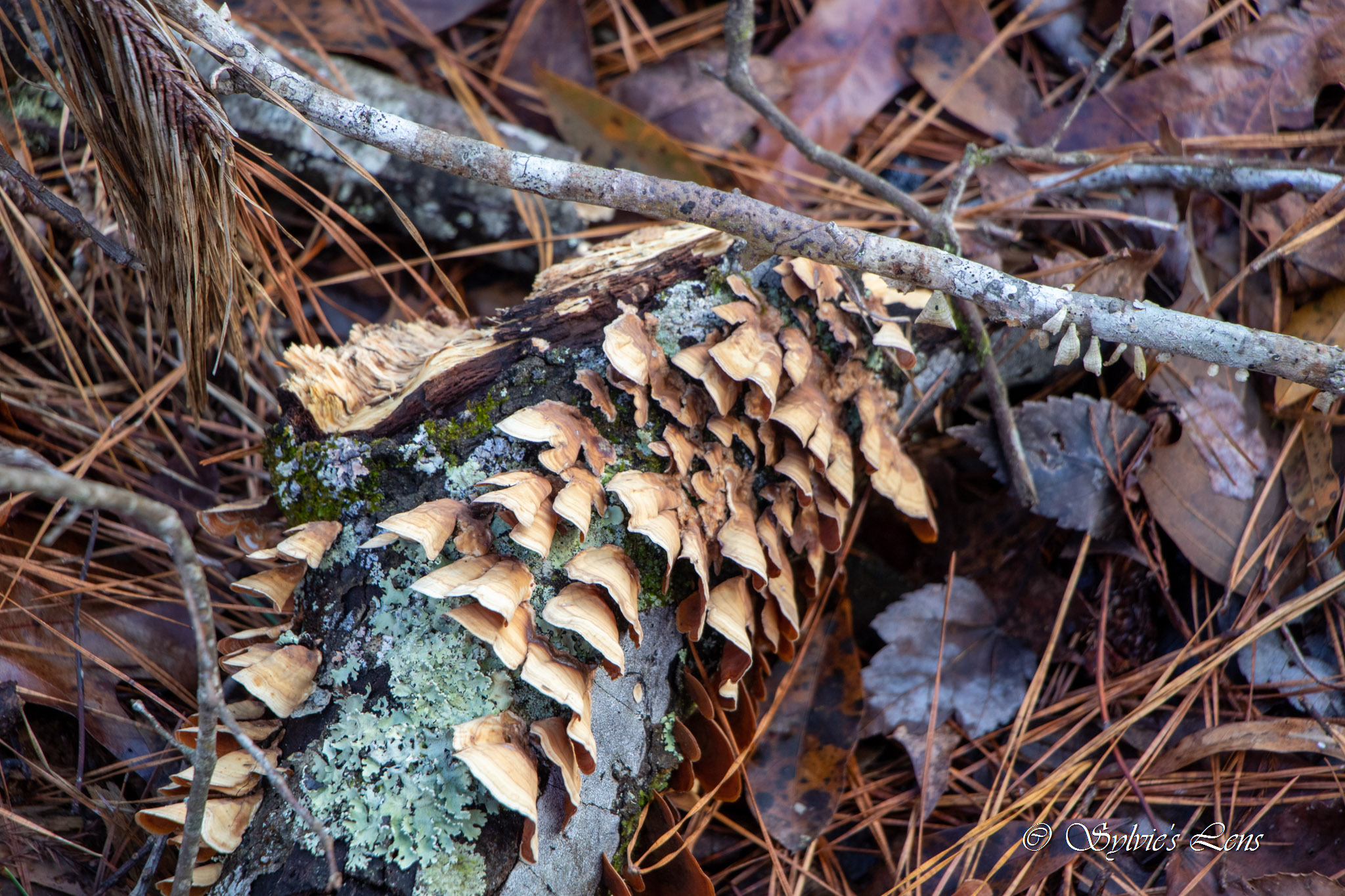
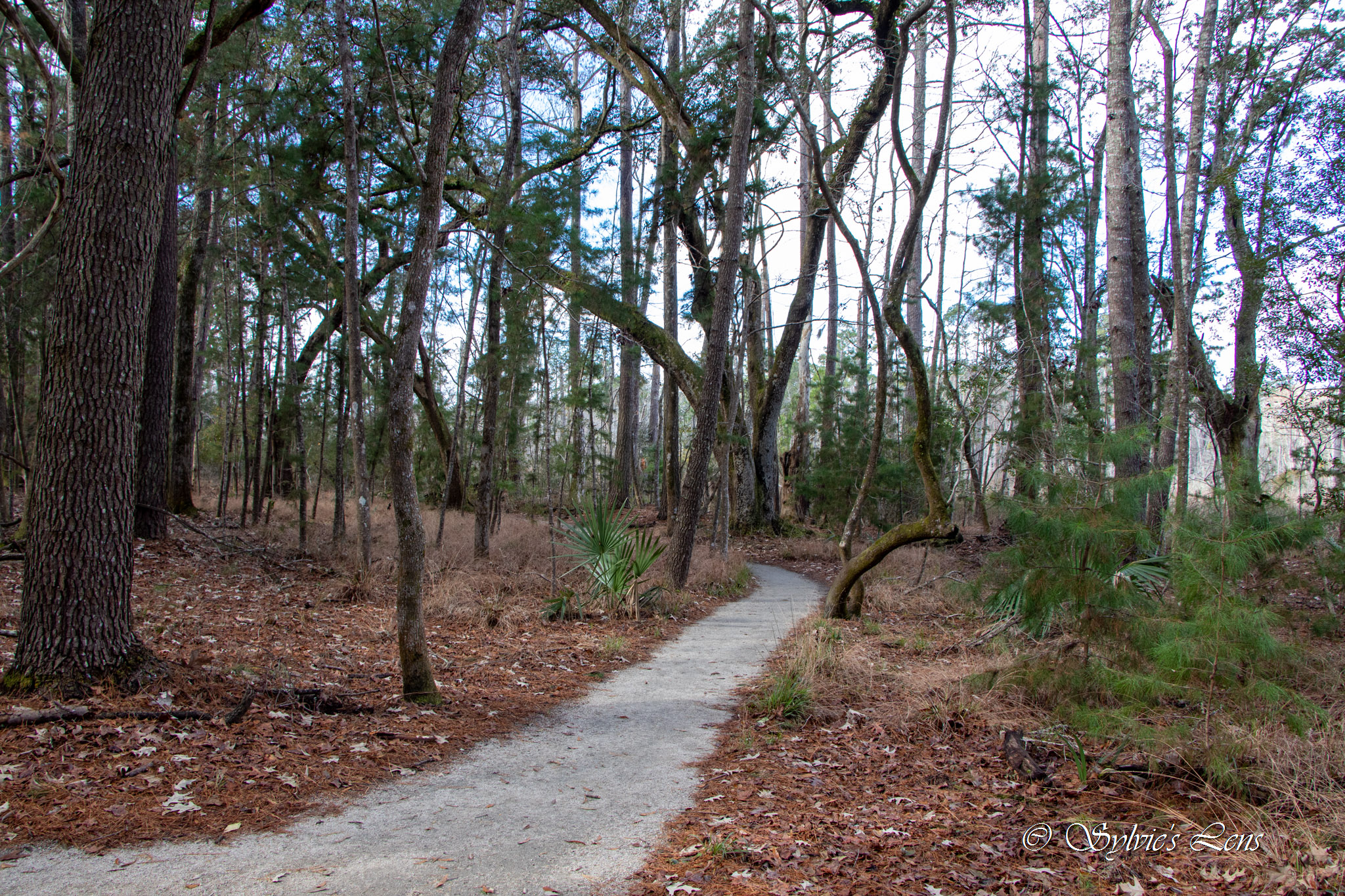
Caw Caw Interpretive Center Photos



















South Carolina Hiking and Attraction Map
You might enjoy these posts nearby:
- The Gardens of Mepkin Abbey
- Bonneau Ferry WMA, Comingtee Plantation
- Shem Creek
- Caw Caw Interpretive Center
- Bulls Island SC
- The Awendaw Passage of the Palmetto Trail
- Cypress Gardens
- Magnolia Plantation and Gardens
- James Island County Park Festival of Lights
- Arthur Ravenel Jr. Bridge
- Morris Island Lighthouse
- Center for Birds of Prey, Awendaw SC
- Morris Island Adventure
This is quite interesting and beautiful photos. Still hard to believe this country once enslaved Africans to do hard labor.
Indeed it is. I will soon post on another site that was owned by an ugly human being who owned many. My heart was in such pain as I heard the ranger tell his story. I’m sure nothing as compared to their pain.