


Middleton Place is a beautiful and historically significant destination in Charleston County, South Carolina. In 1972, the property was designated a National Historic Landmark. I visited on April 25, 2021, to explore its beautifully maintained grounds and gardens while learning more about the people and events that shaped this remarkable place.
The documented history of Middleton Place begins in 1730, when John Williams began constructing the property. It later became the dowry of his daughter, Mary, when she married Henry Middleton (1717–1784). The couple added two additional buildings and made the property their home.

Henry Middleton played an important role in developing the gardens. Inspired by Europe’s classical landscape gardens, he created a design based on the principles of order, geometry, balance, vistas, focal points, and surprises. Today, Middleton Place is known for having America’s oldest surviving landscaped gardens, making them one of the major highlights of a visit.
As I wandered through the gardens, I could appreciate the careful planning behind the landscape. The sweeping views, symmetrical designs, ponds, pathways, and unexpected garden features create a beautiful experience every season.
A Powerful Political Legacy

Henry initiated the development of its enchanting gardens architected after Europe’s classic landscape garden designs. They are known as America’s oldest surviving landscaped gardens. They follow the design principles of Andre Le Notre namely “Rational order, geometry and balance; vistas, focal points and surprises”.
*This image is a photo of the display at the entrance
Henry Middleton was also influential in early American politics. He served as the second president of the First Continental Congress.
The property later passed to his son, Arthur Middleton (1742–1787), who continued the family’s political legacy. Arthur was a signer of the Declaration of Independence, adding another important chapter to Middleton Place’s history.
Arthur’s son, Henry Middleton (1770–1846), also had an impressive political career. He served as a South Carolina state senator and governor, represented the state in the U.S. House of Representatives, and served as a minister to Russia for nine years.
Henry continued developing the gardens with the help of his friend André Michaux, a French botanist credited with introducing the camellia to an American garden. Middleton Place later welcomed notable visitors, including President James Monroe.

Williams Middleton (1809–1883) inherited the property from his father. He was a signer of the South Carolina’s Ordinance of Secession. The property was burned during the Civil War by Union soldiers and was badly affected by the Charleston earthquake of 1886. Restoration didn’t resume until 1924 with John Julius Pringle Smith and his wife who inherited it from their cousin Mary, Williams’ daughter. Their grandson Charles Duell established the non-profit Middleton Place Foundation to preserve Middleton Place as an educational and historic property, open to the public.
*This image is a photo of the display at the entrance
Middleton Place and the Civil War
The property eventually passed to Williams Middleton (1809–1883), who became a signer of South Carolina’s Ordinance of Secession.
The Civil War brought devastating changes to Middleton Place. Union soldiers burned the property, and the grounds were later badly affected by the Charleston earthquake of 1886.
Restoration did not begin again until 1924, when John Julius Pringle Smith and his wife inherited the property through their family. Their grandson, Charles Duell, eventually established the Middleton Place Foundation, a nonprofit organization dedicated to preserving Middleton Place as an educational and historic property open to the public.

Remembering the Enslaved People
The history of Middleton Place cannot be fully understood without acknowledging the enslaved people whose labor made the plantation possible.
Enslaved men, women, and children constructed buildings, cultivated rice fields, maintained the gardens, and performed countless other essential jobs. They worked as laborers, cooks, maids, butlers, stable hands, blacksmiths, seamstresses, and in many other roles.
While walking through the beautiful gardens, it is important to remember the human labor and suffering behind the wealth and prominence of the Middleton family. The landscape tells only part of the story.

During my visit, I wanted to learn more about these individuals and their experiences. I plan to return to Middleton Place to take the “Beyond the Fields: Enslavement at Middleton Place” tour so I can better understand and share their stories.
For me, that is an important part of visiting historic plantations. The beauty of the architecture and gardens can be appreciated, but it should never overshadow the complicated and painful history that made their existence possible.
Middleton Place offers much more than beautiful gardens. It is a place where architecture, landscape design, American political history, the Civil War, and the history of enslavement intersect. I left appreciating the beauty of the property while also recognizing how much more there is to learn.
I look forward to returning and exploring the history from additional perspectives.
If You Go
- Location: Charleston County, South Carolina
- Visited: April 25, 2021
- Highlights: Historic gardens, plantation buildings, history exhibits, landscaping, and educational tours
- Gardens: Middleton Place is renowned for its historic landscaped gardens, considered the oldest surviving landscaped gardens in America.
- History: The property dates back to the 18th century and played a role in South Carolina’s political and agricultural history.
- Enslavement: Be sure to learn about the enslaved people whose labor built and maintained Middleton Place.
- Tours: Look for educational programs that explore the experiences of enslaved people and the broader history of the plantation.
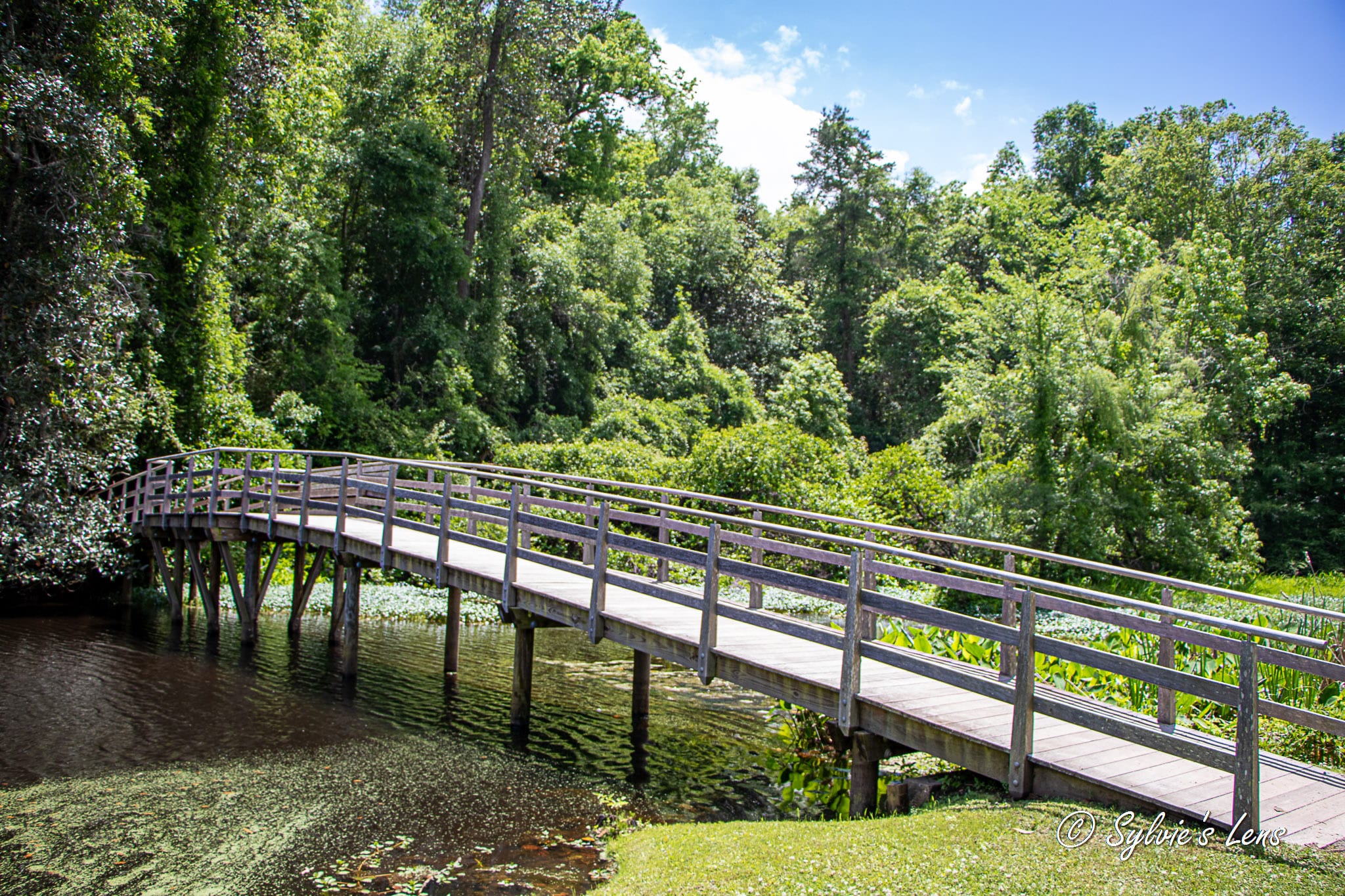
- Photography: The gardens, ponds, pathways, bridges, and historic structures offer excellent photography opportunities.
- Walking: Wear comfortable shoes because you’ll want time to explore the extensive grounds.
- What to bring: Water, sunscreen, comfortable walking shoes, and your camera.
- Tip: Allow several hours if you want to experience the gardens and historical exhibits without rushing.
- Best for: History lovers, gardeners, photographers, architecture enthusiasts, and anyone interested in South Carolina’s complex history.
- Before you go: Check the current hours, admission prices, tour schedule, and available educational programs before visiting.
References Middleton Place Web Site, Nancy Moser’s “The slaves of Middleton’s Place“
Around the House

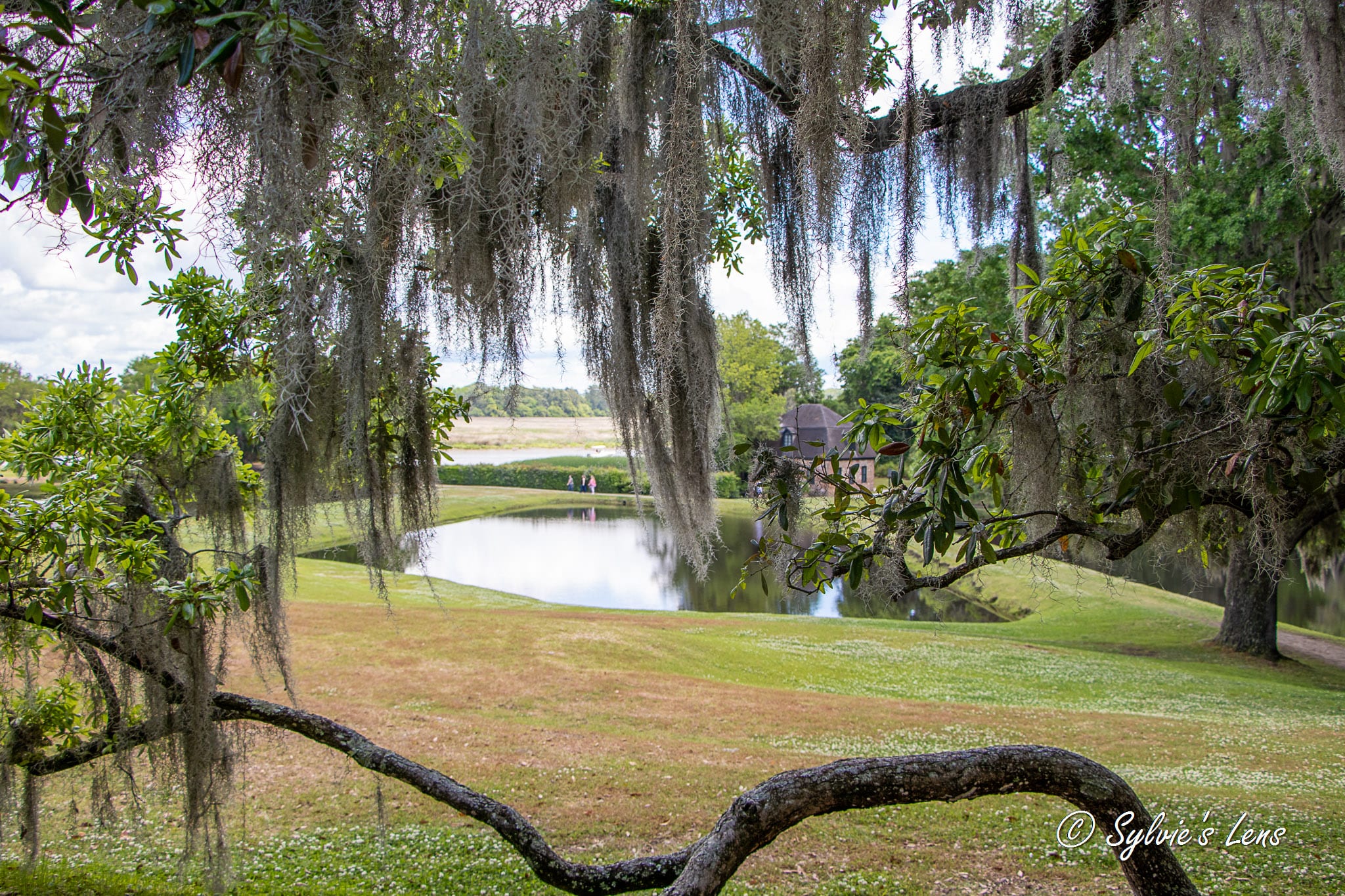


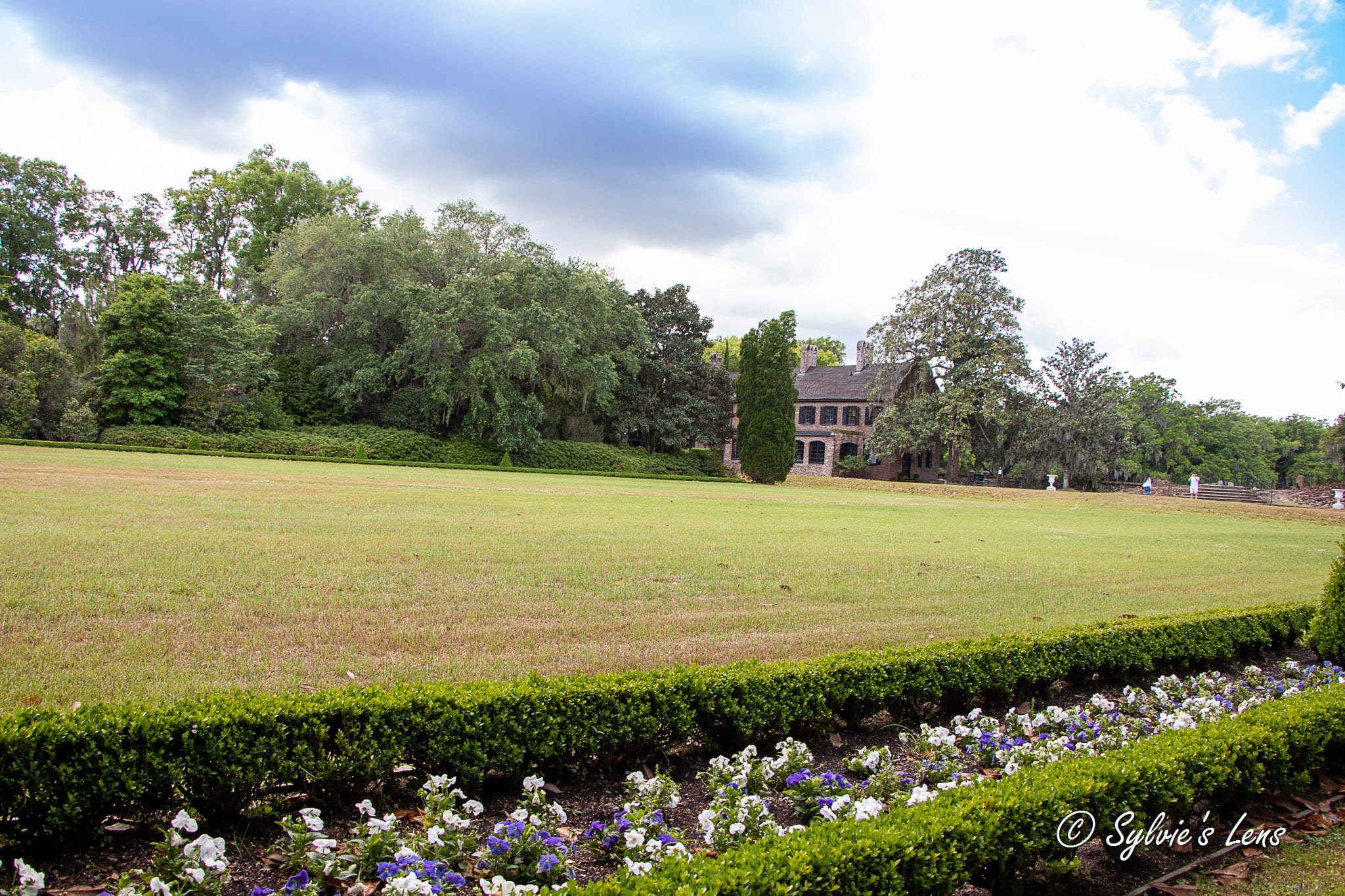
The Gardens

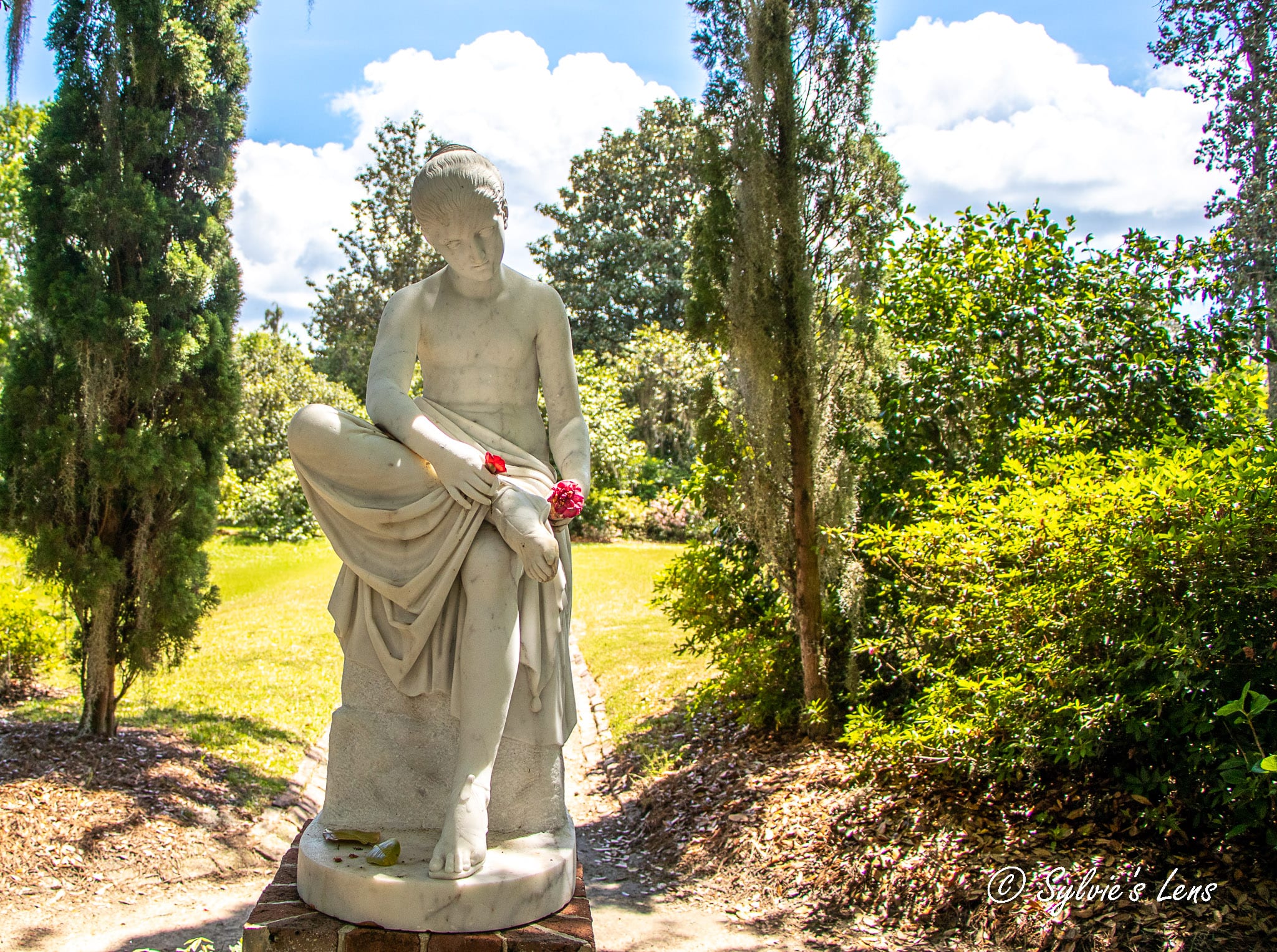


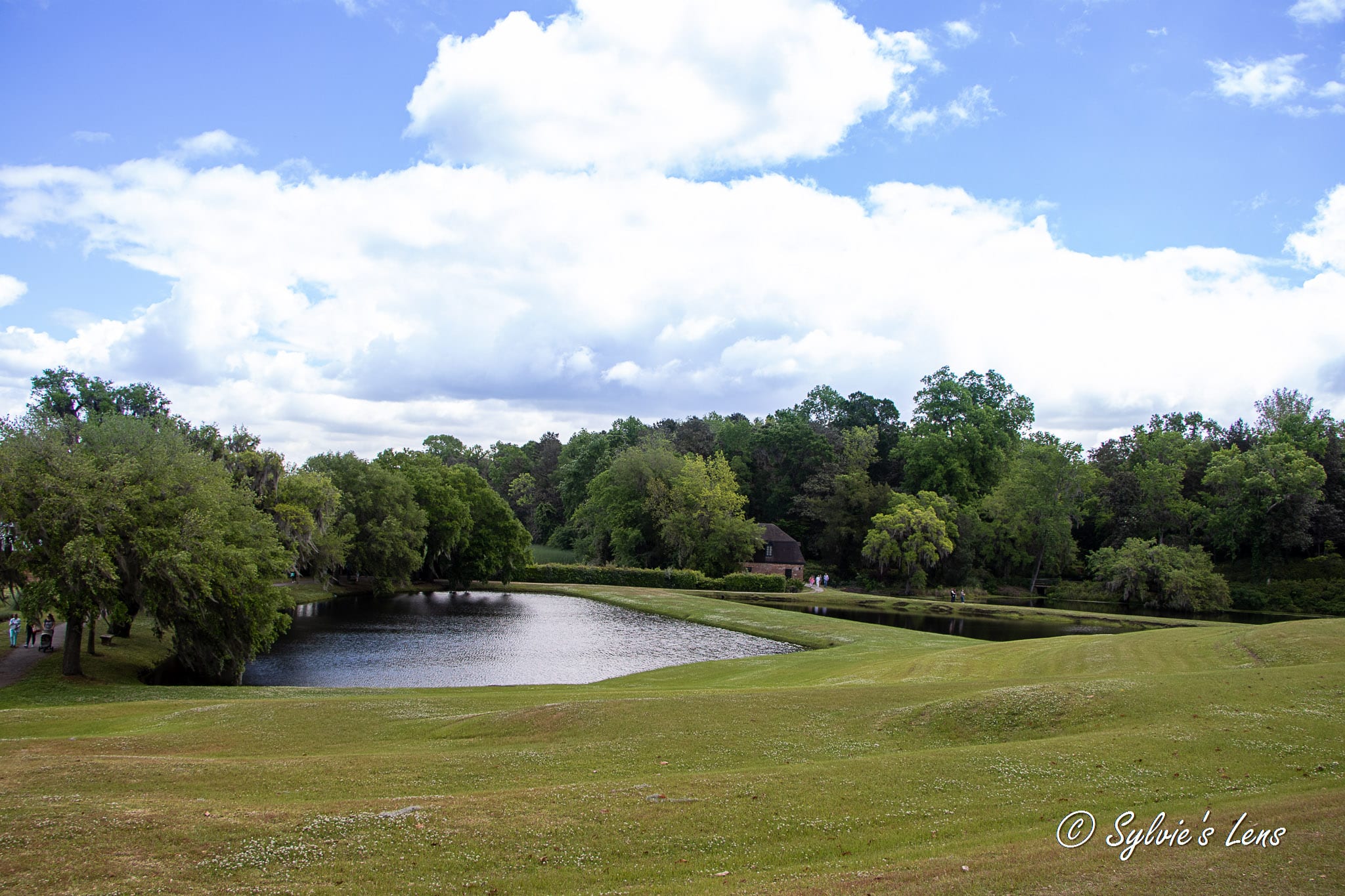
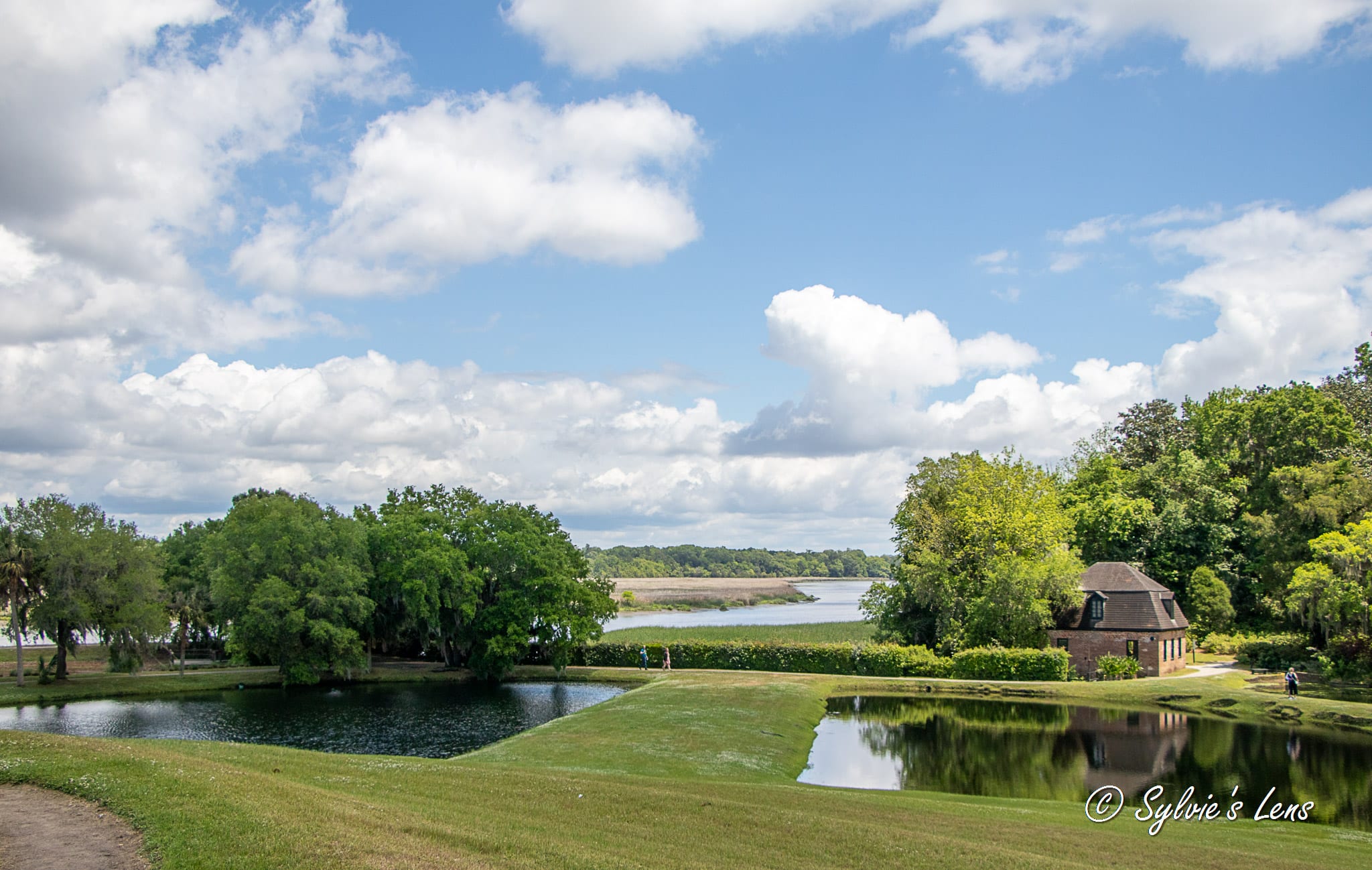


The Spring House


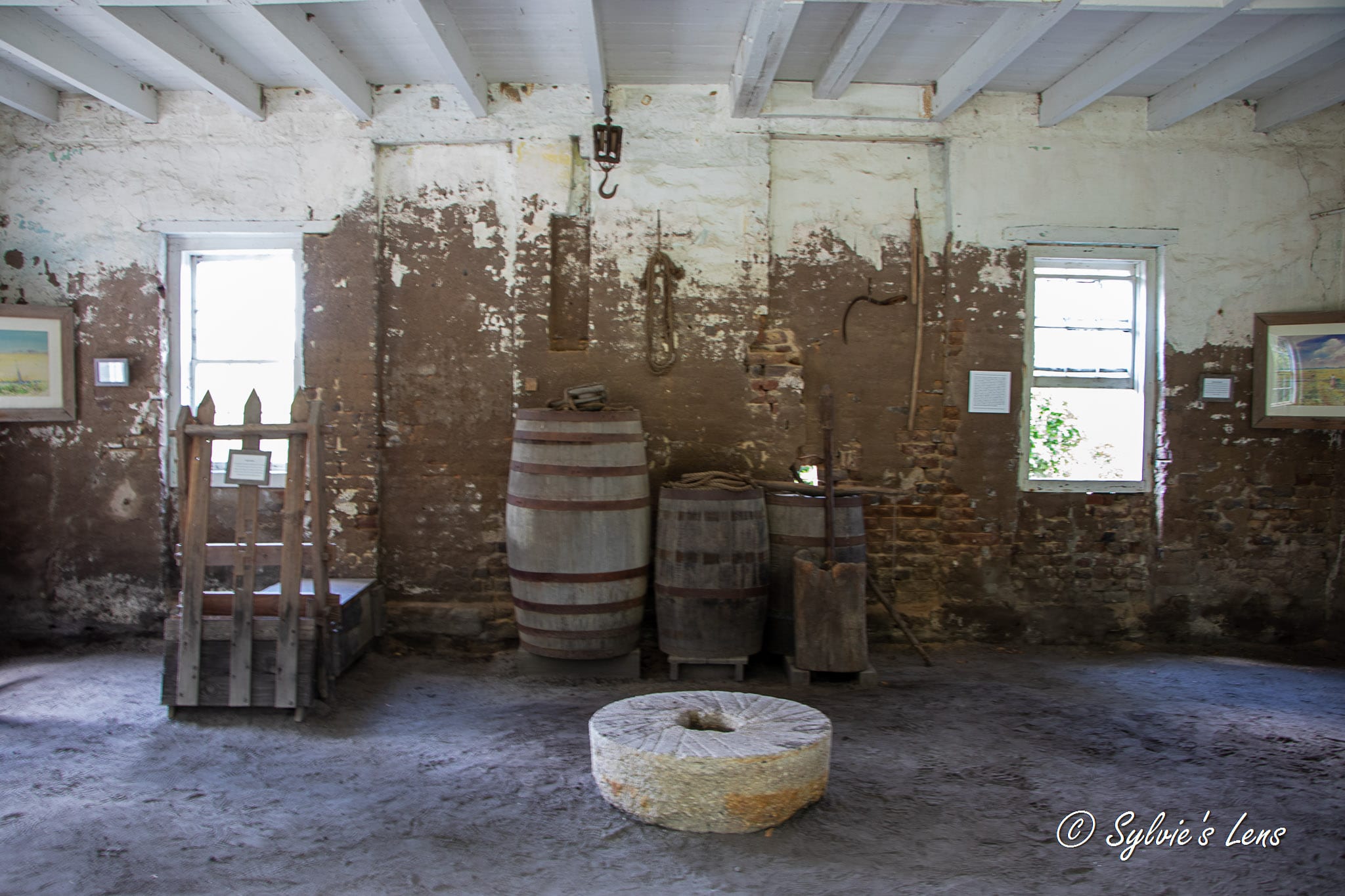
The Rice Mill




The Four Seasons Secret Garden


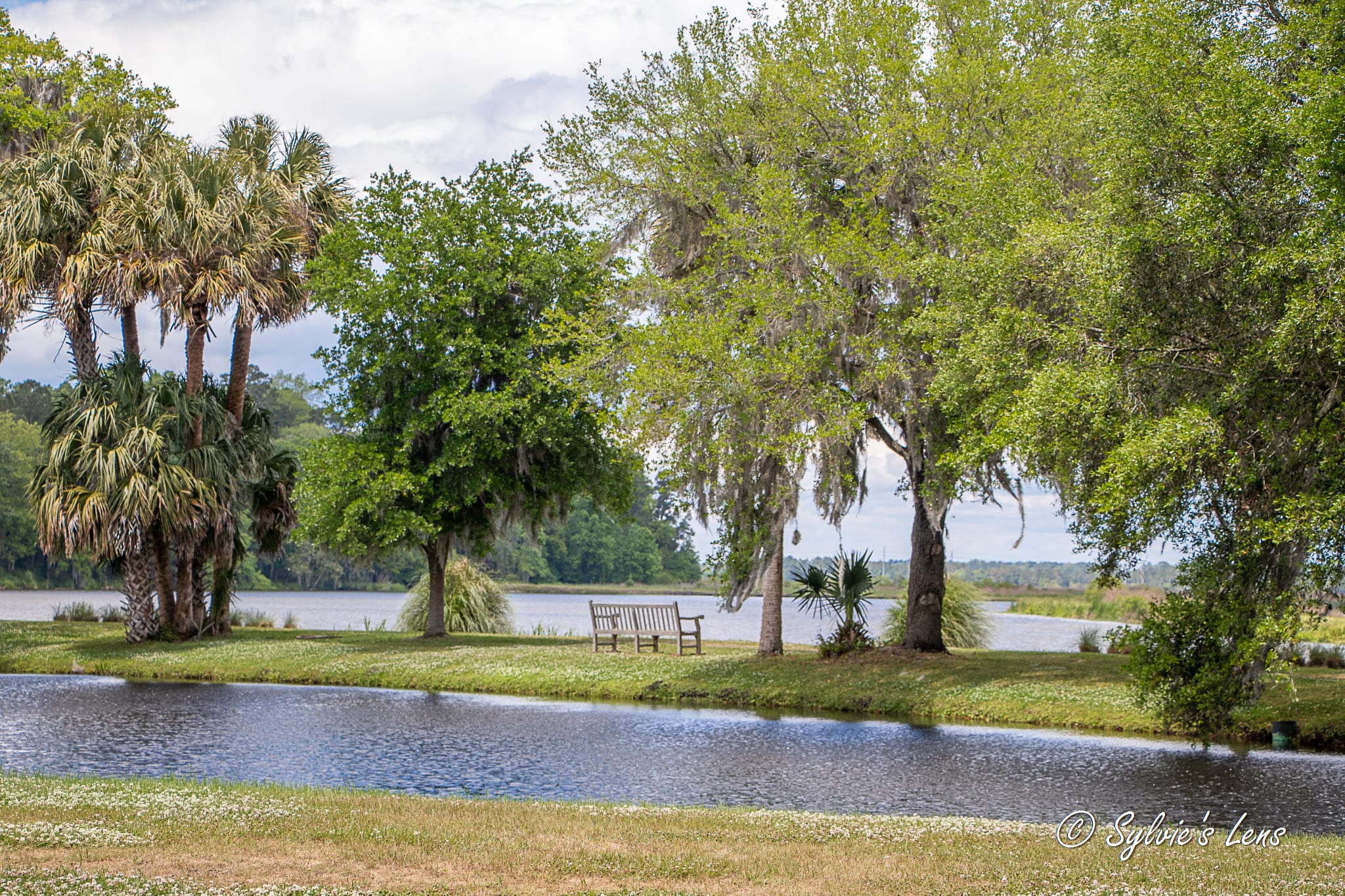
Reflection Pool


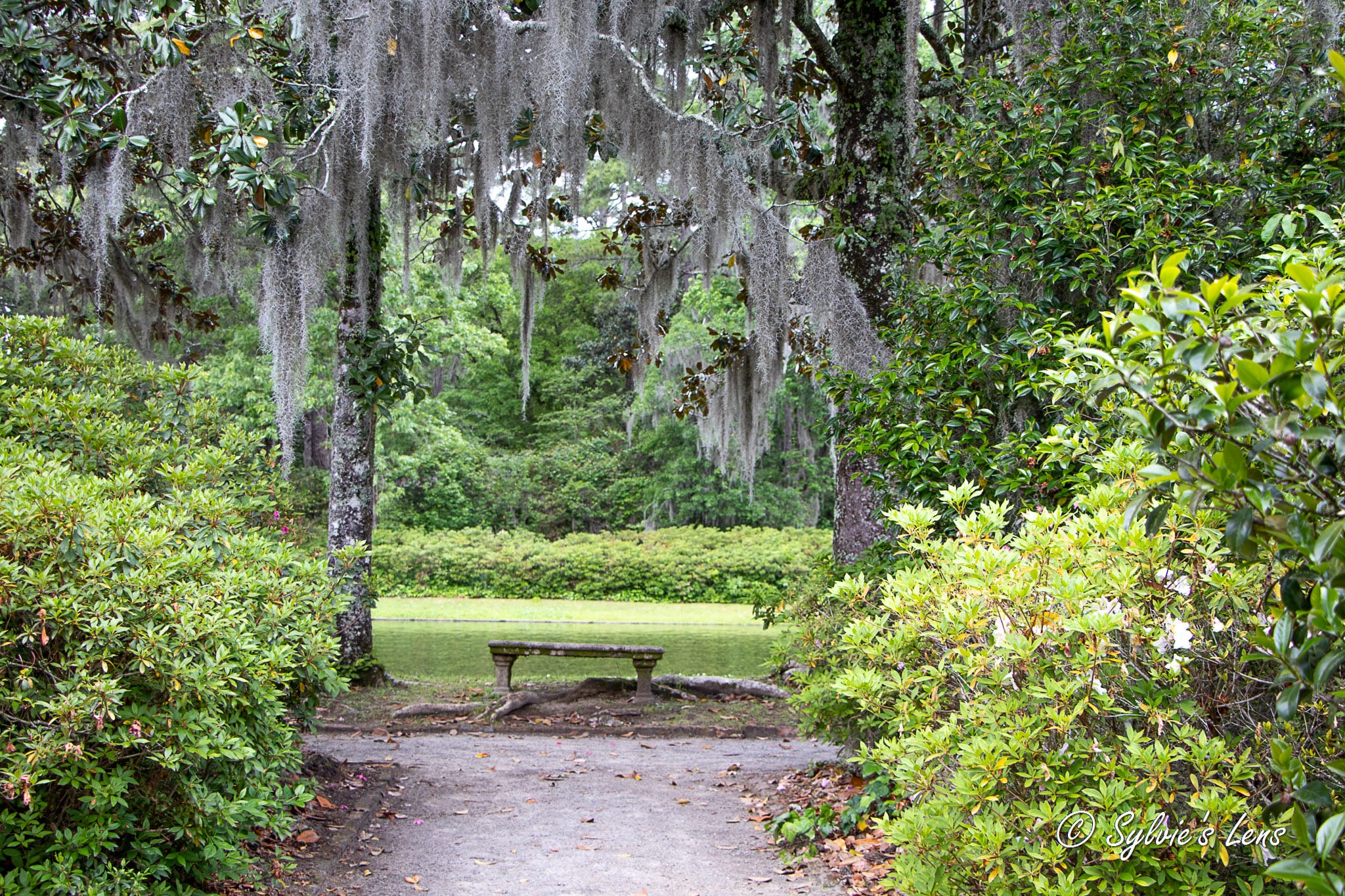
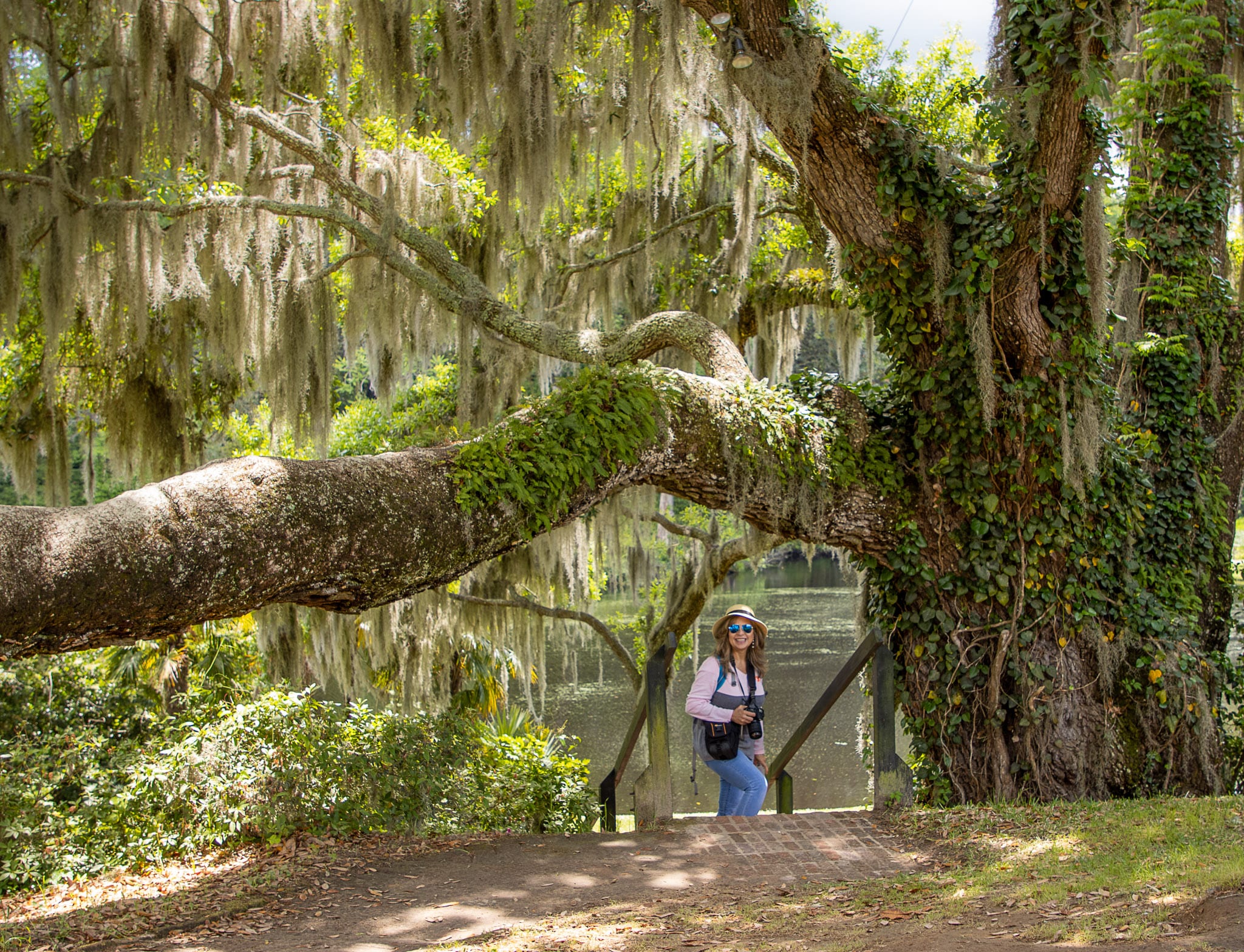
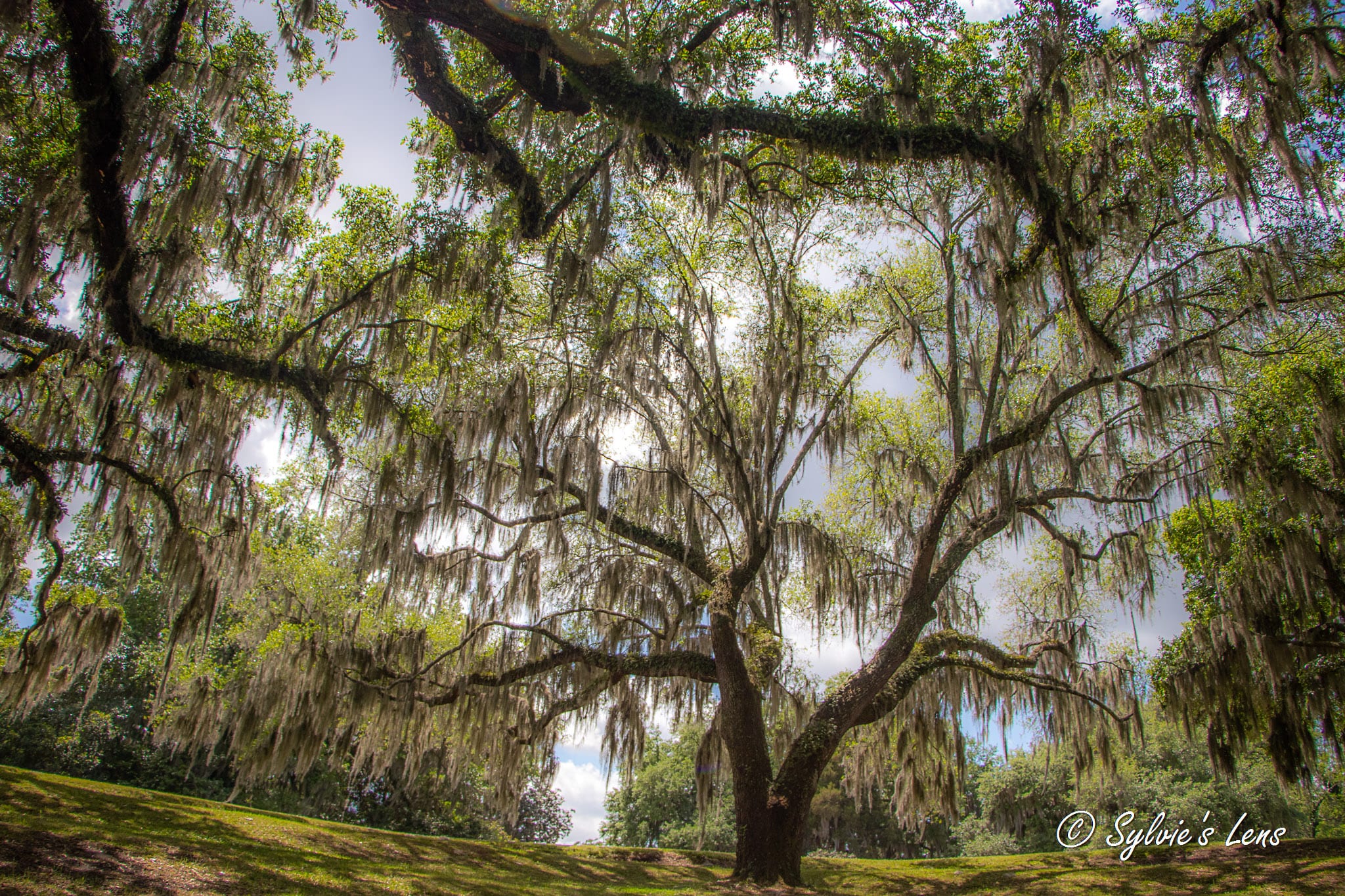
Oaks and Spanish Moss


This is the Middleton Oak. it is between 900 and 1,000 years old.



South Carolina Hiking and Attraction Map
You might enjoy these posts nearby:
- The Gardens of Mepkin Abbey
- Bonneau Ferry WMA, Comingtee Plantation
- Shem Creek
- Caw Caw Interpretive Center
- Bulls Island SC
- The Awendaw Passage of the Palmetto Trail
- Cypress Gardens
- Magnolia Plantation and Gardens
- James Island County Park Festival of Lights
- Arthur Ravenel Jr. Bridge
- Morris Island Lighthouse
- Center for Birds of Prey, Awendaw SC
- Morris Island Adventure