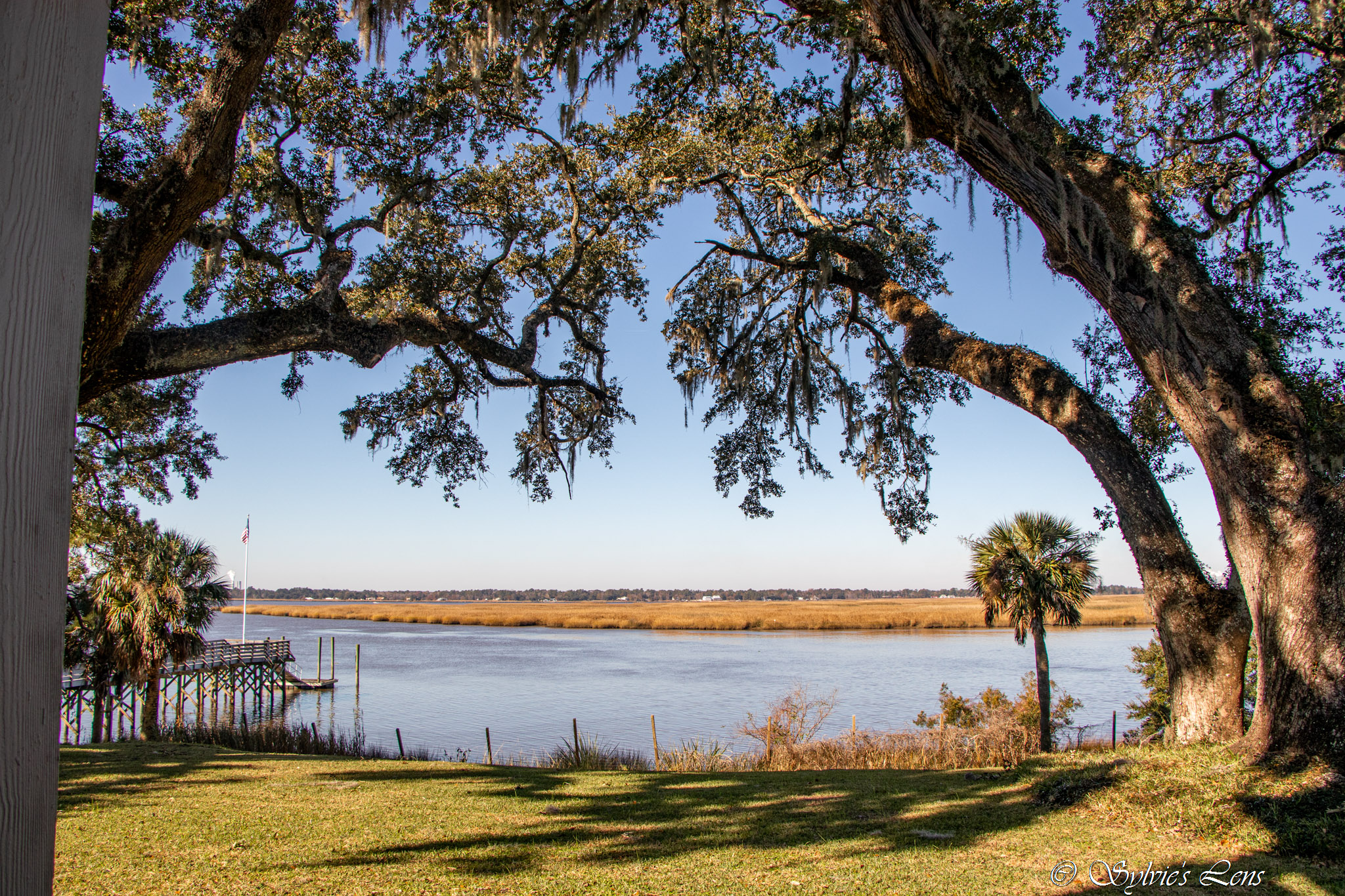
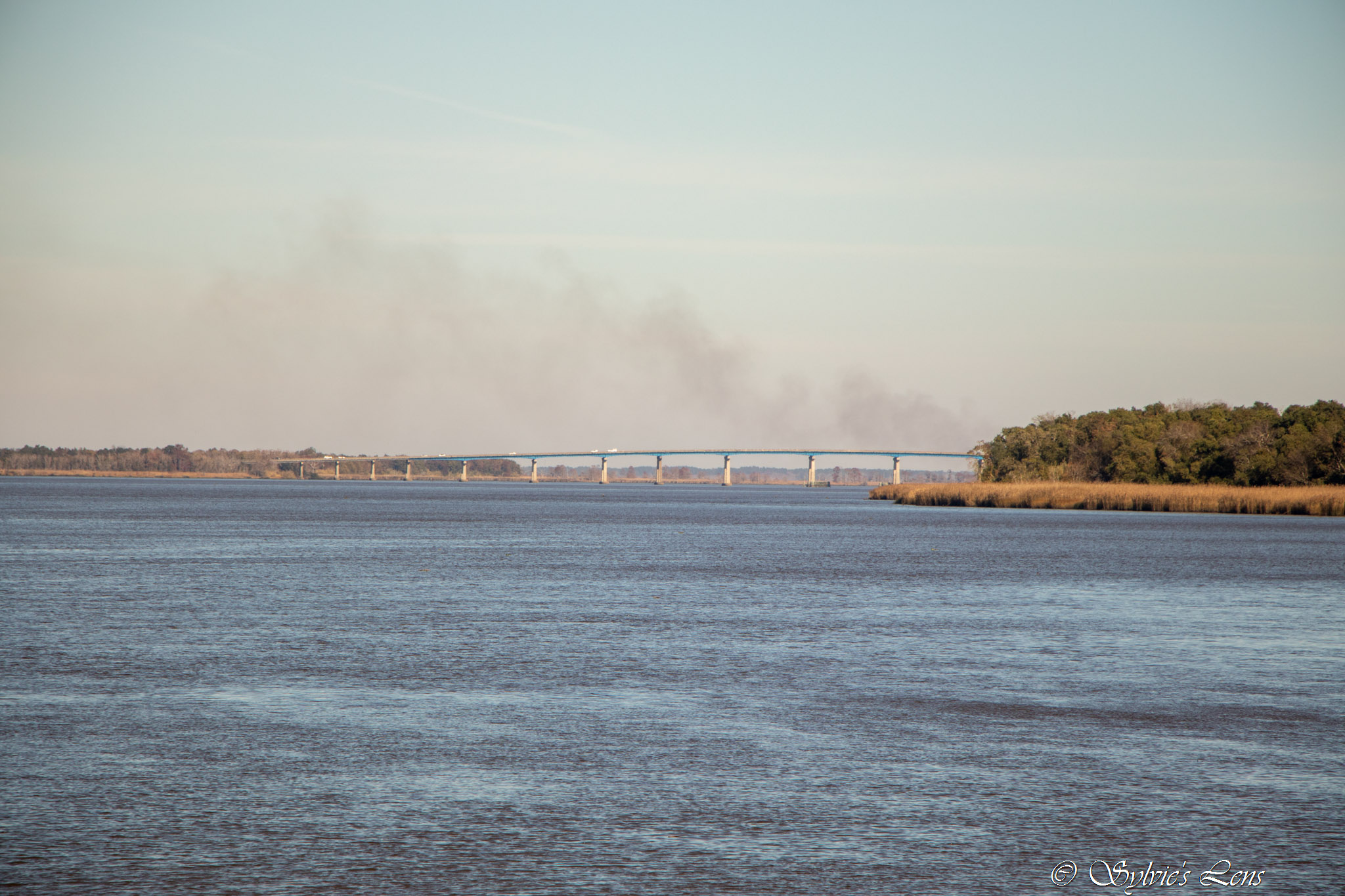
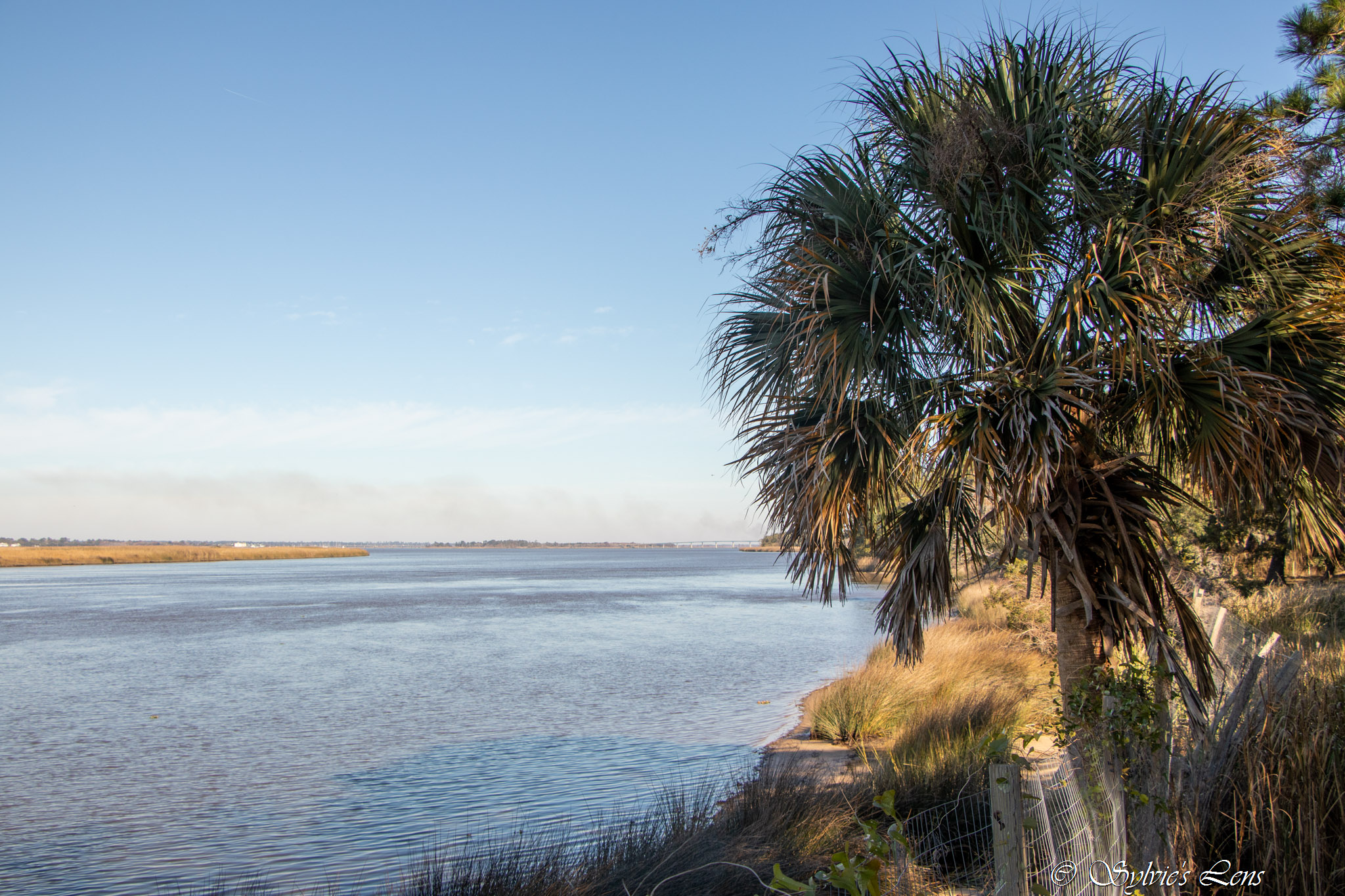
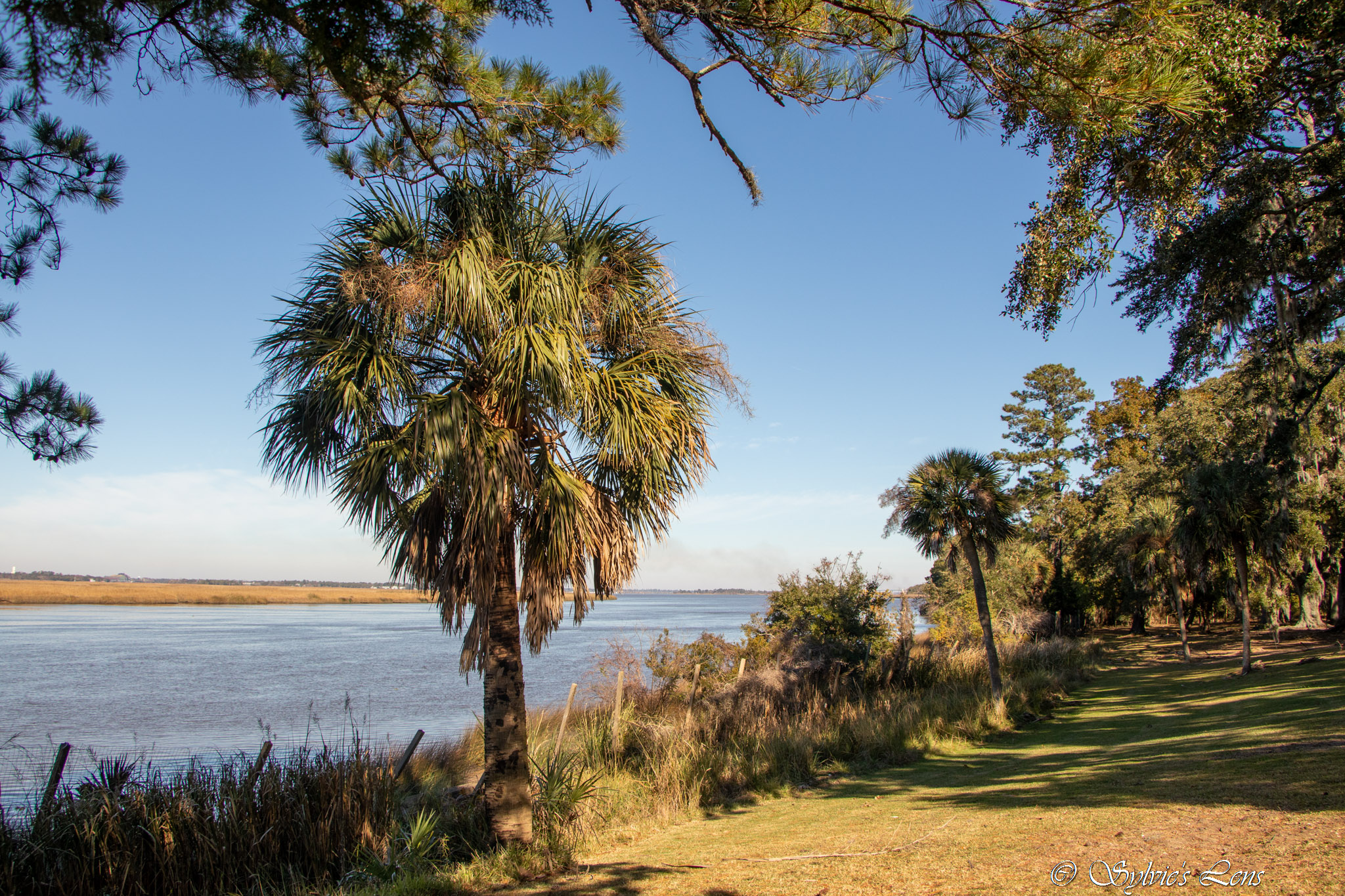
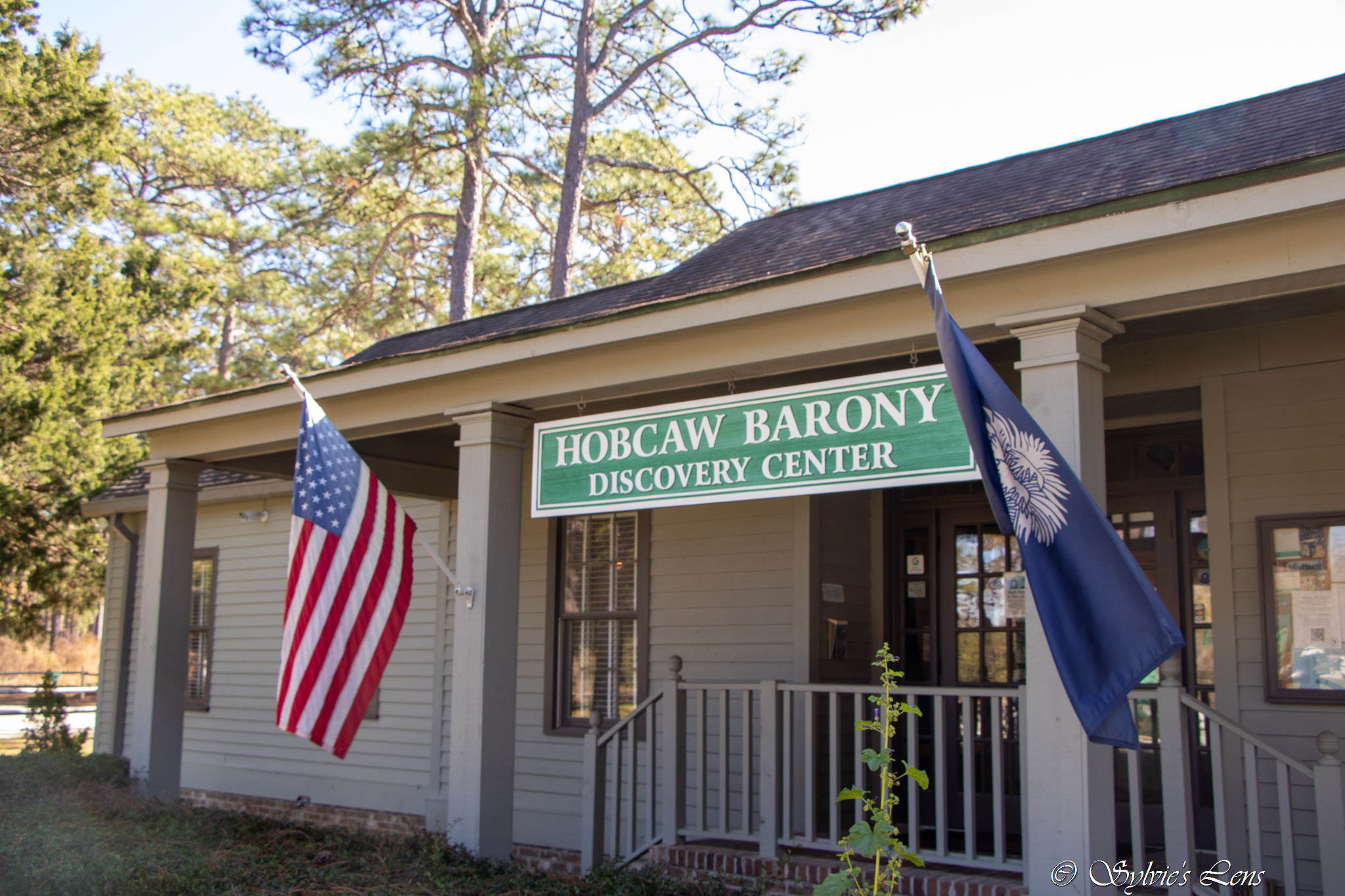
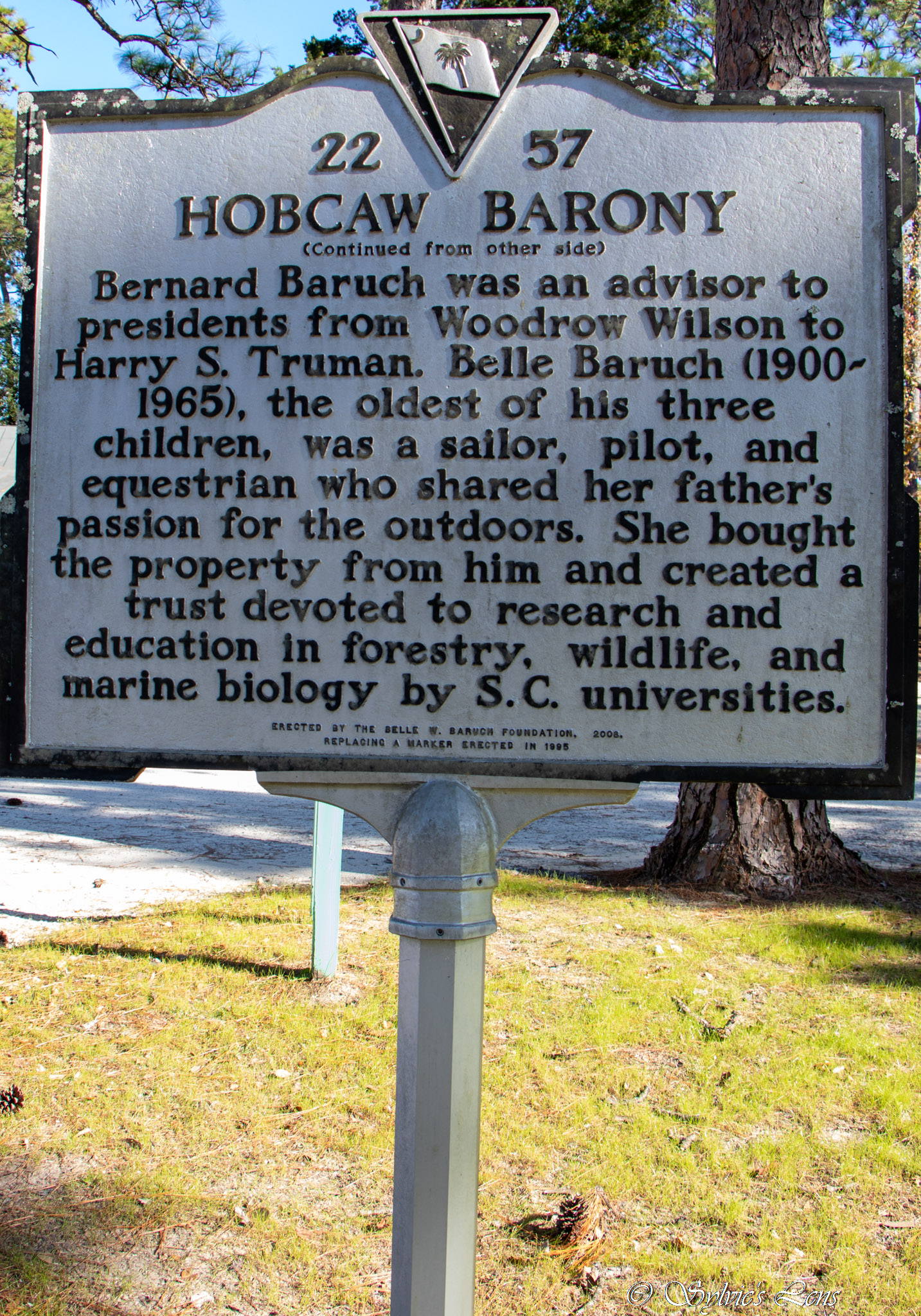
Hobcaw Barony was one of those places I visited without fully understanding its significance—and left knowing I had only scratched the surface. On December 10, 2020, my friends Laura, Ann, and I booked a tour of this remarkable 16,000-acre property in Georgetown County, South Carolina.

Before our visit, I knew very little about Hobcaw Barony or the prominent Baruch family who once owned it. The tour opened my eyes to a complicated history spanning Native American heritage, colonial settlement, rice plantations and slavery, the Baruch family’s time on the property, and its transformation into an important research reserve.
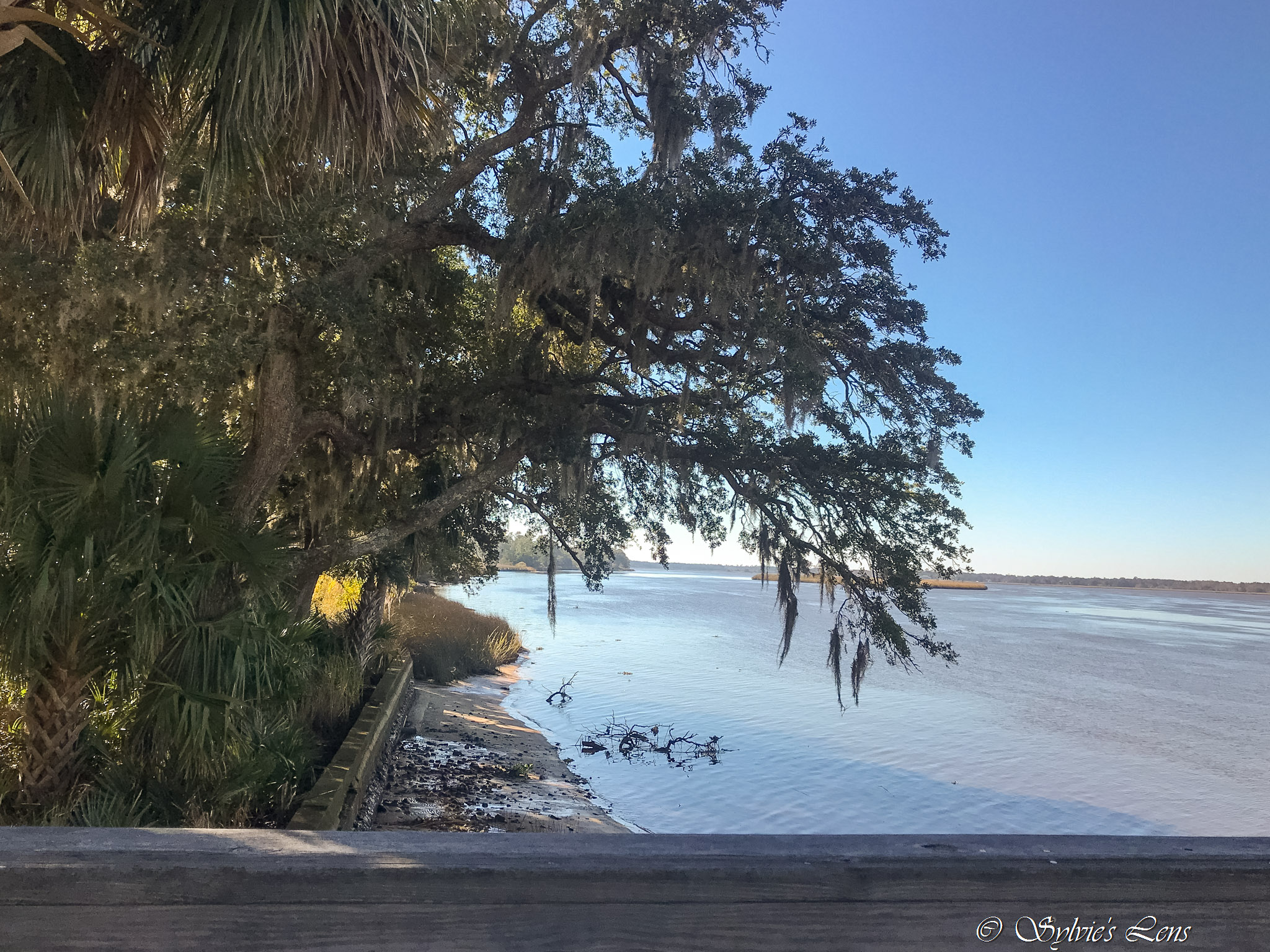
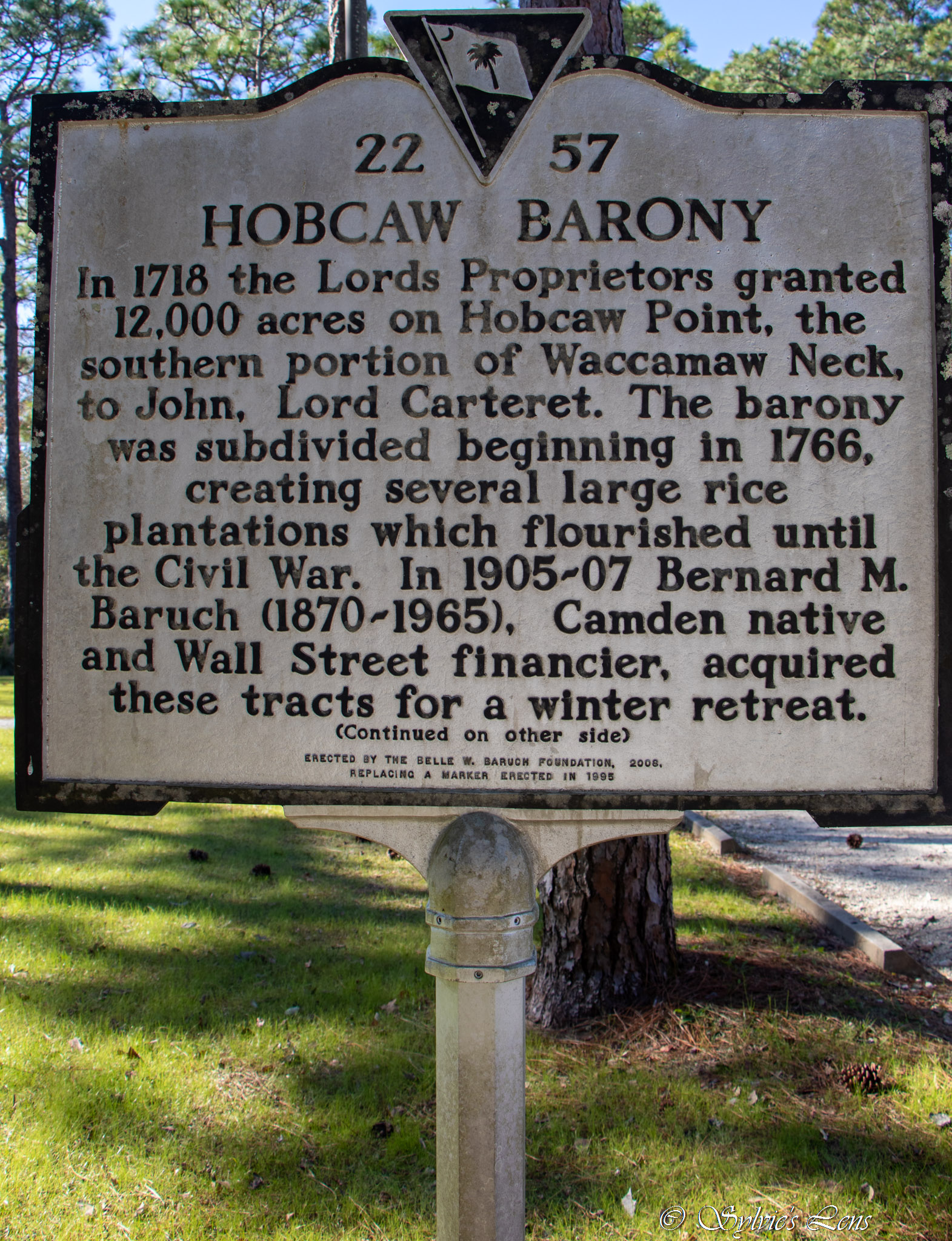
The name Hobcaw comes from a Native American word meaning “between the waters,” an appropriate name for land situated between the Waccamaw River and the Atlantic Ocean. The property has a history stretching back centuries. In 1718, the land became a colonial barony associated with Lord Carteret before eventually being divided into plantations. By the 18th and 19th centuries, the area was home to rice plantations dependent on enslaved labor. Georgetown became a major port for the arrival of enslaved people from Barbados and West Africa, and rice cultivation made plantation owners extremely wealthy.

Following the Civil War and emancipation, the rice industry declined dramatically, contributing to widespread economic hardship throughout Georgetown County. Formerly enslaved people and their descendants continued living and working on some of the plantations, with several communities remaining at Hobcaw well into the 20th century.
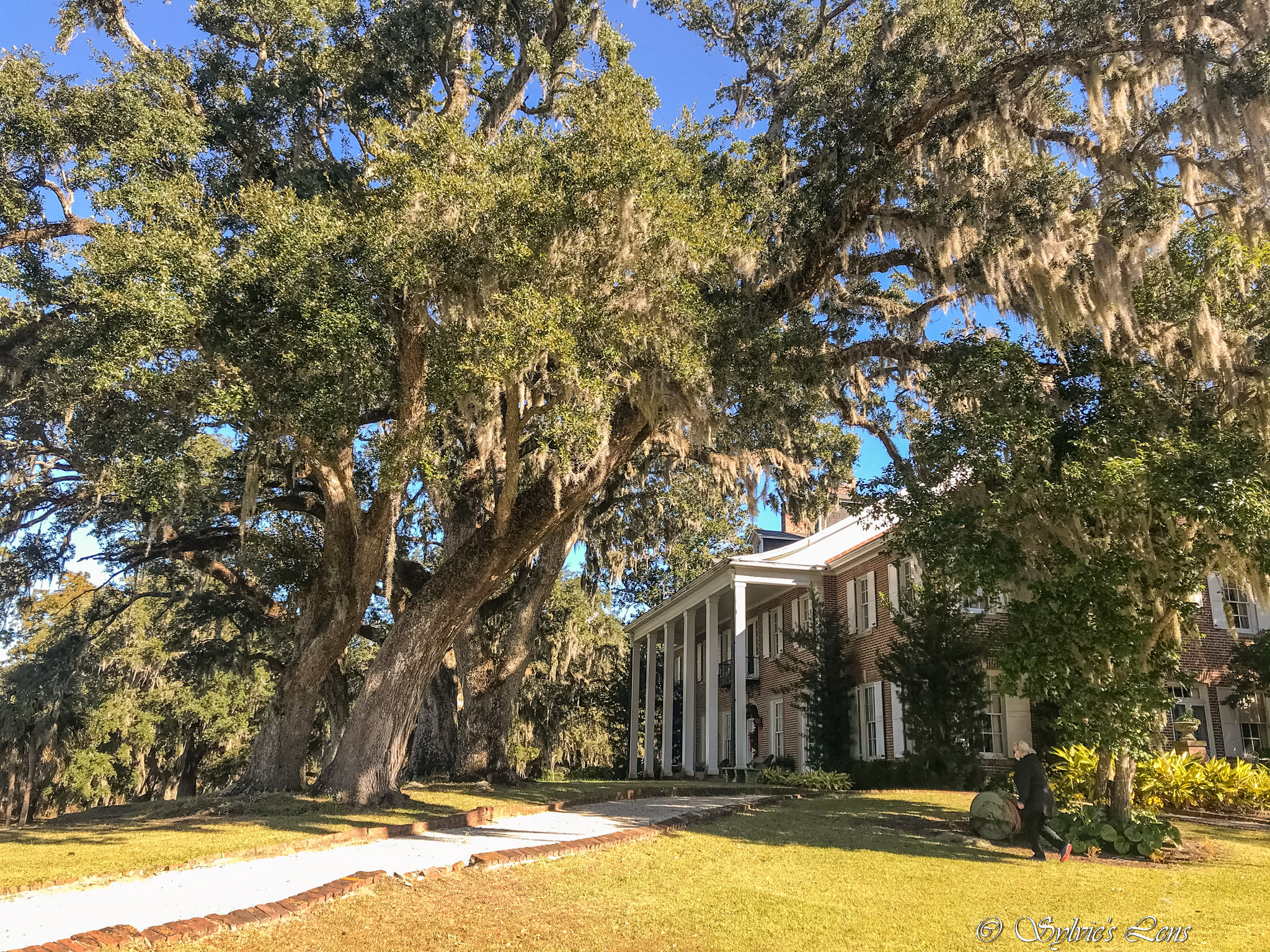
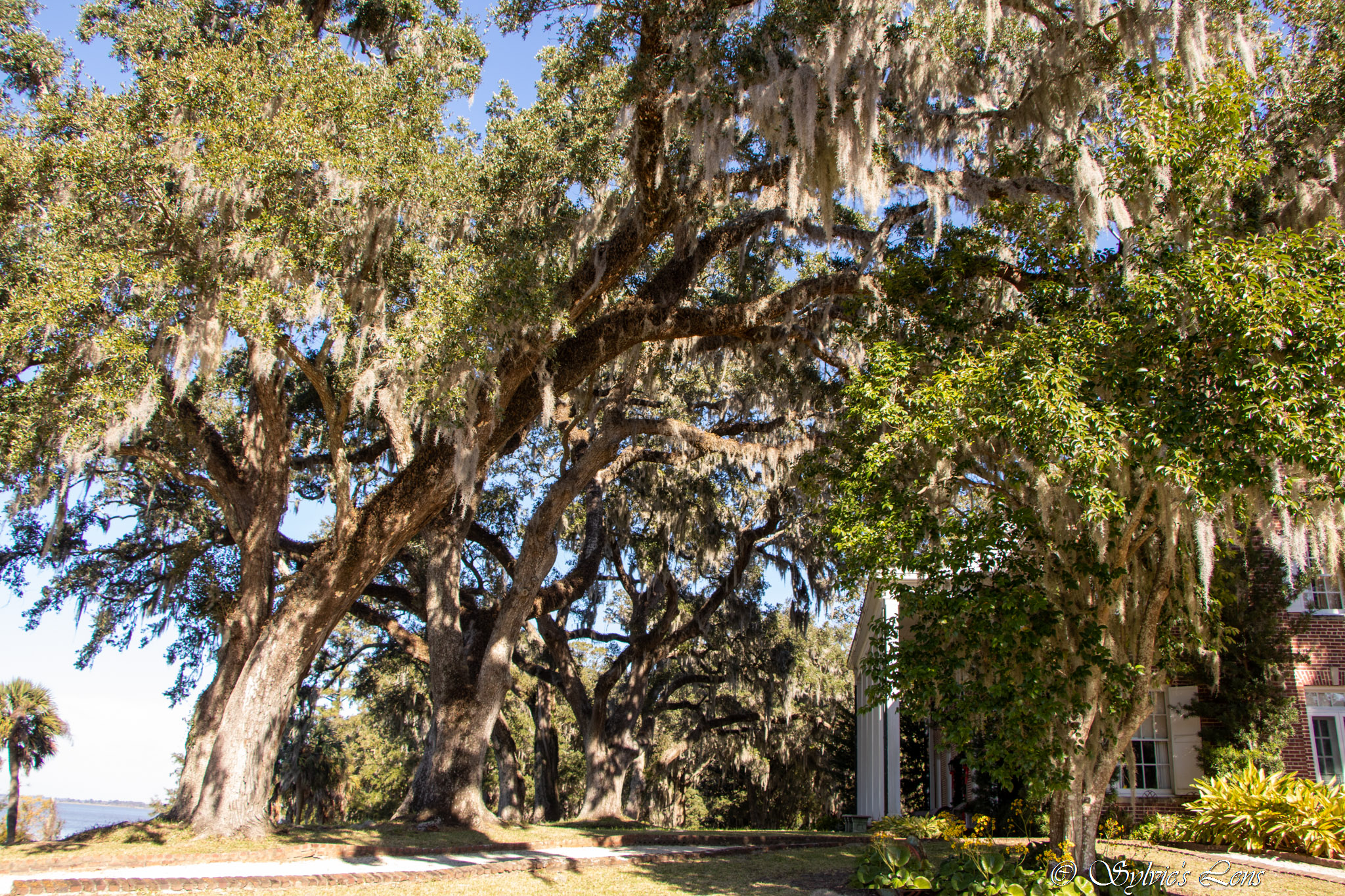
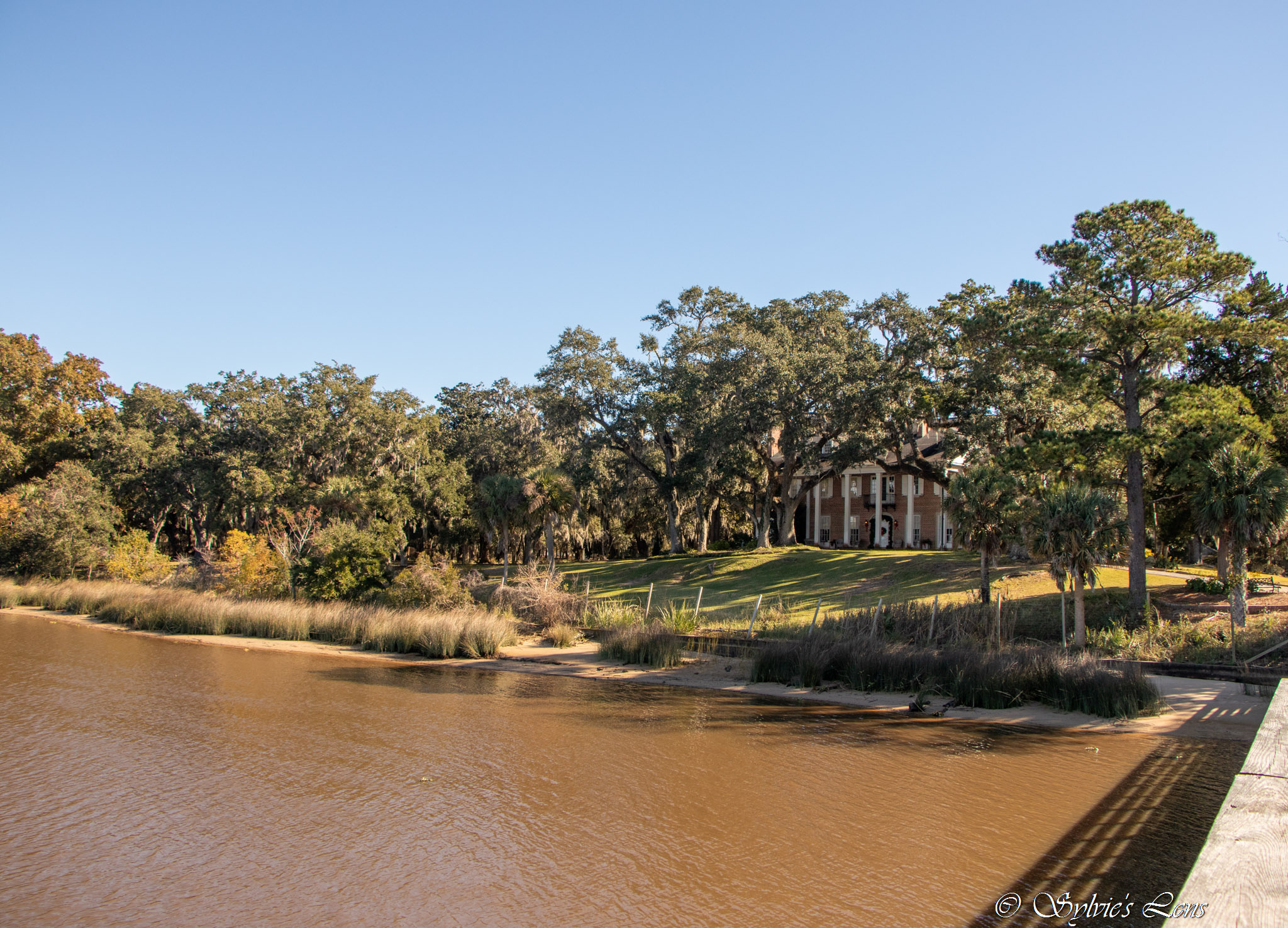
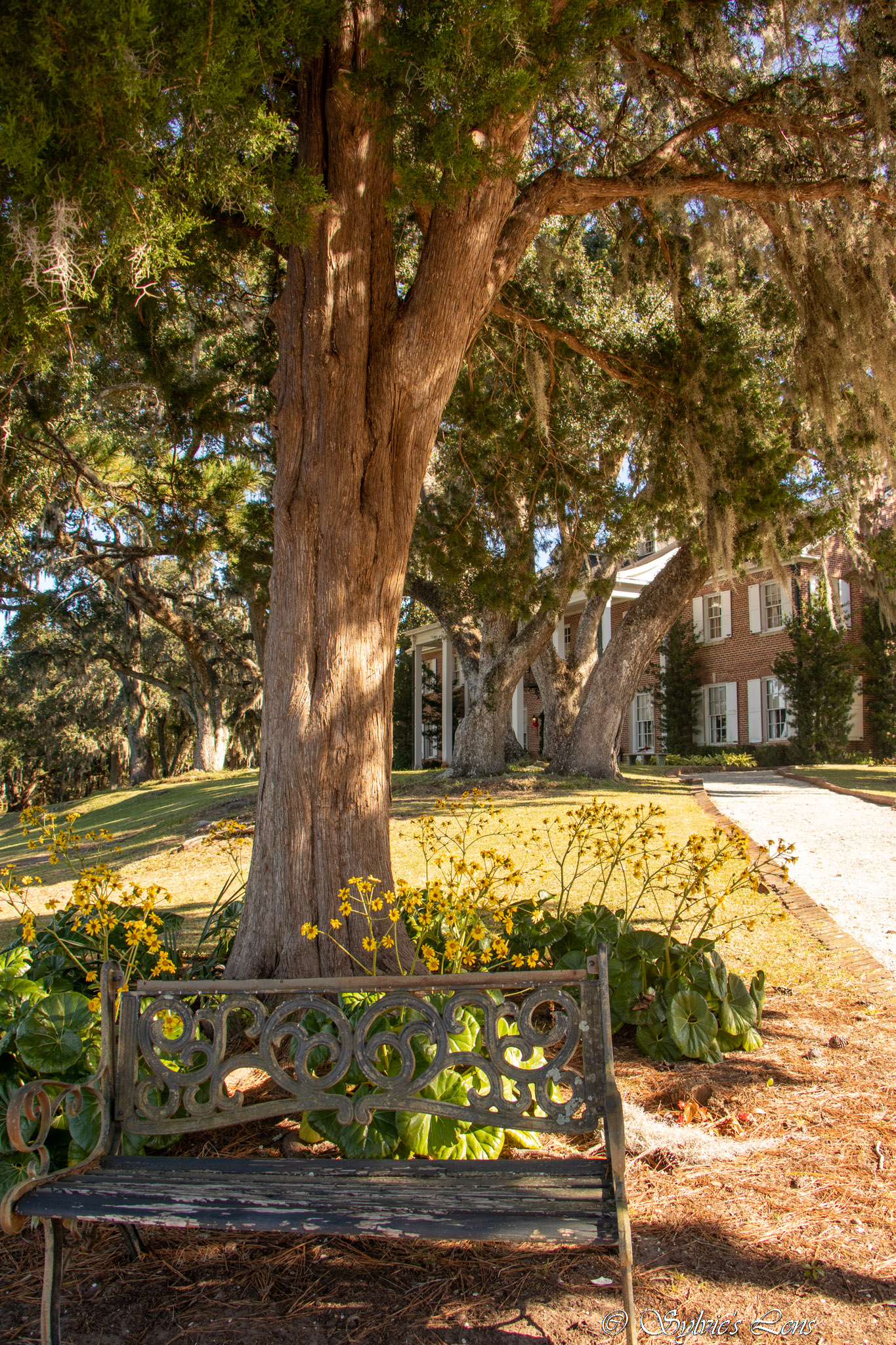
In 1905, Bernard Baruch began purchasing the former rice plantations. Eventually, he assembled approximately 16,000 acres, which he used as a winter hunting retreat. After the original home burned, Baruch built Hobcaw House in 1930 as a winter residence for his family.
Baruch had an extraordinary career. Born in Camden, South Carolina, he later moved with his family to New York City, where he worked on Wall Street and became a successful broker and millionaire. He eventually became an adviser to seven U.S. presidents and played important roles in national affairs during and after both World Wars.
Hobcaw became a retreat where Baruch entertained influential guests, including Winston Churchill and President Franklin D. Roosevelt. Today, Hobcaw House remains remarkably well preserved, and visitors on the Discover Hobcaw tour can go inside the circa-1930 home.

When we visited in December, the house was beautifully decorated for Christmas. The interior was grand, and the view toward the bay was spectacular. Unfortunately, photography wasn’t allowed inside during our tour, so you’ll have to see it for yourself.
Another fascinating part of the property’s history involves Belle Baruch, Bernard’s oldest daughter. By 1956, Belle had acquired the entire Hobcaw property from her father. She was an accomplished equestrian who competed successfully in Europe, as well as a pilot, sailor, hunter, and philanthropist.
Belle clearly loved Hobcaw. She eventually established the Belle W. Baruch Foundation to preserve the property after her death. Her vision transformed Hobcaw into an outdoor laboratory dedicated to research and education. Today, the privately owned reserve supports research in areas including coastal science, marine biology, forestry, cultural history, and archaeology.
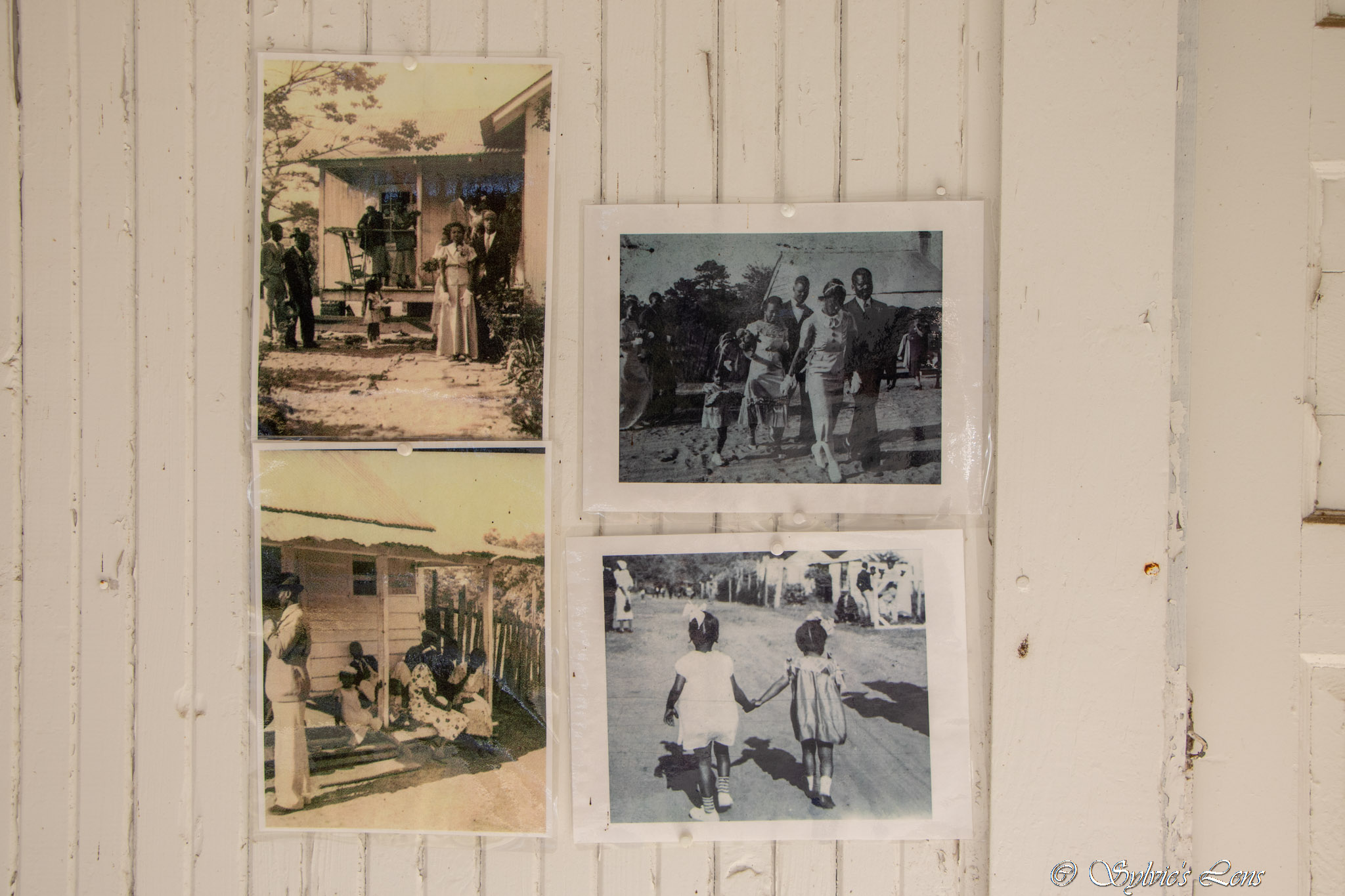
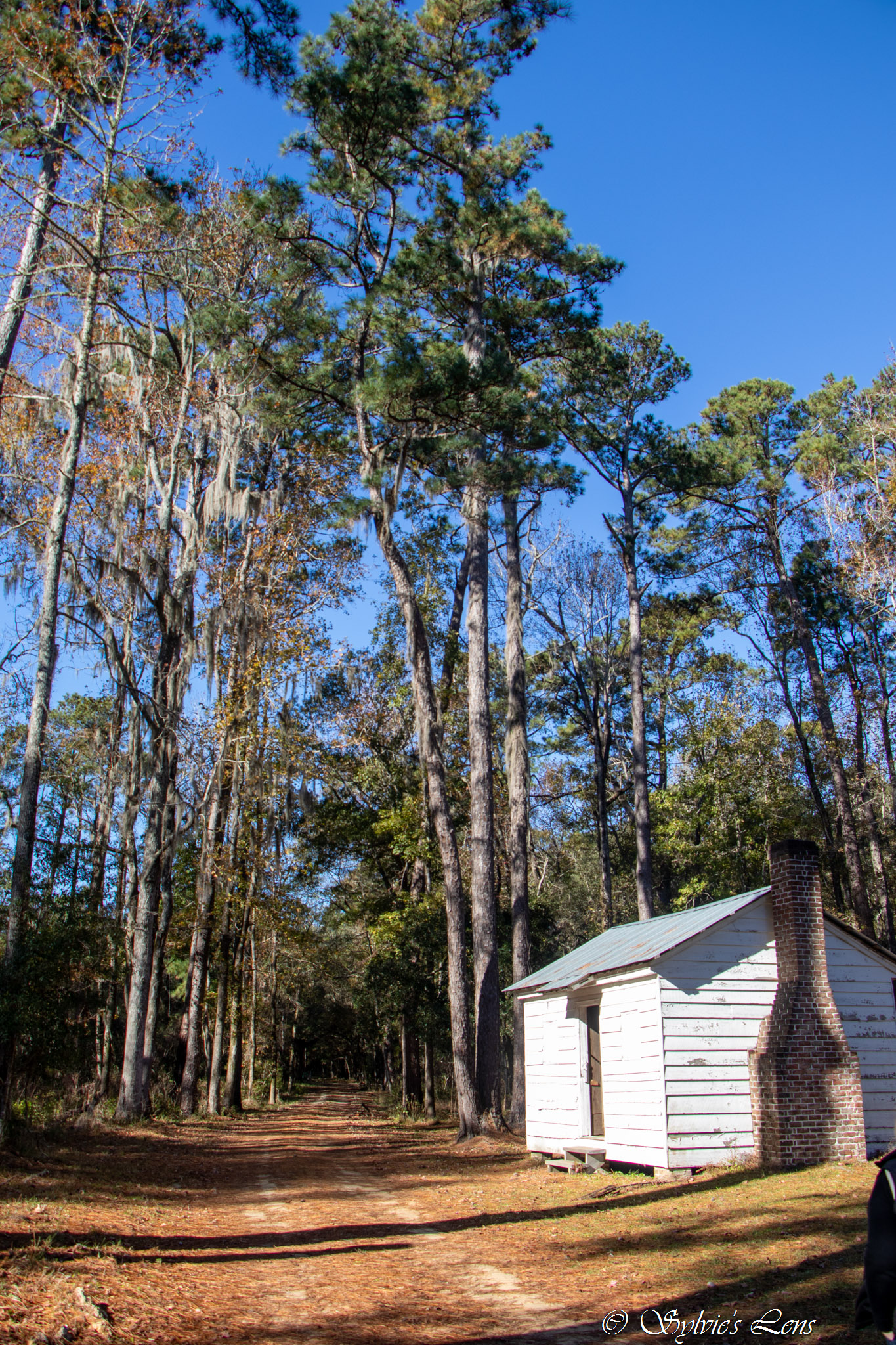
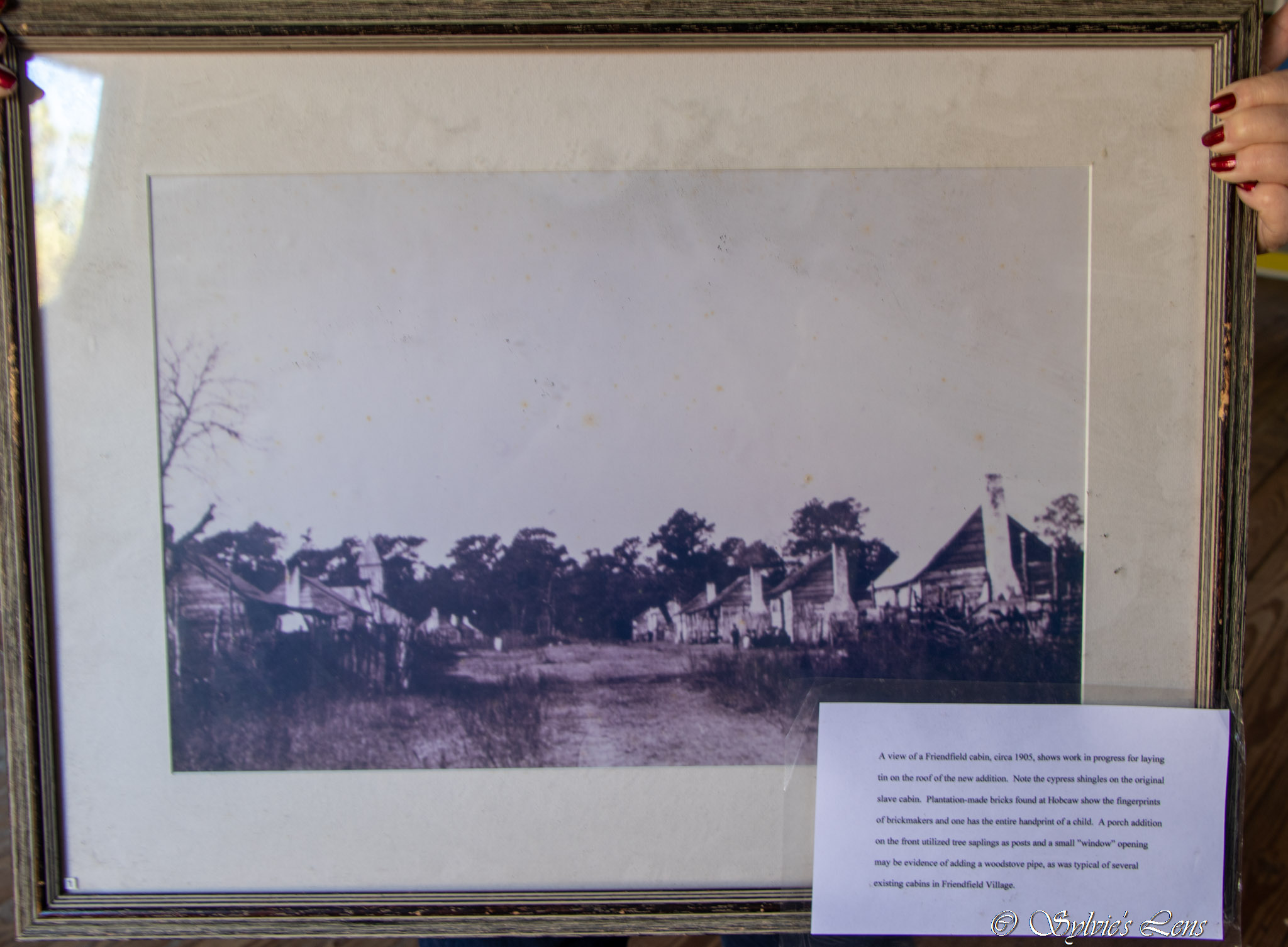
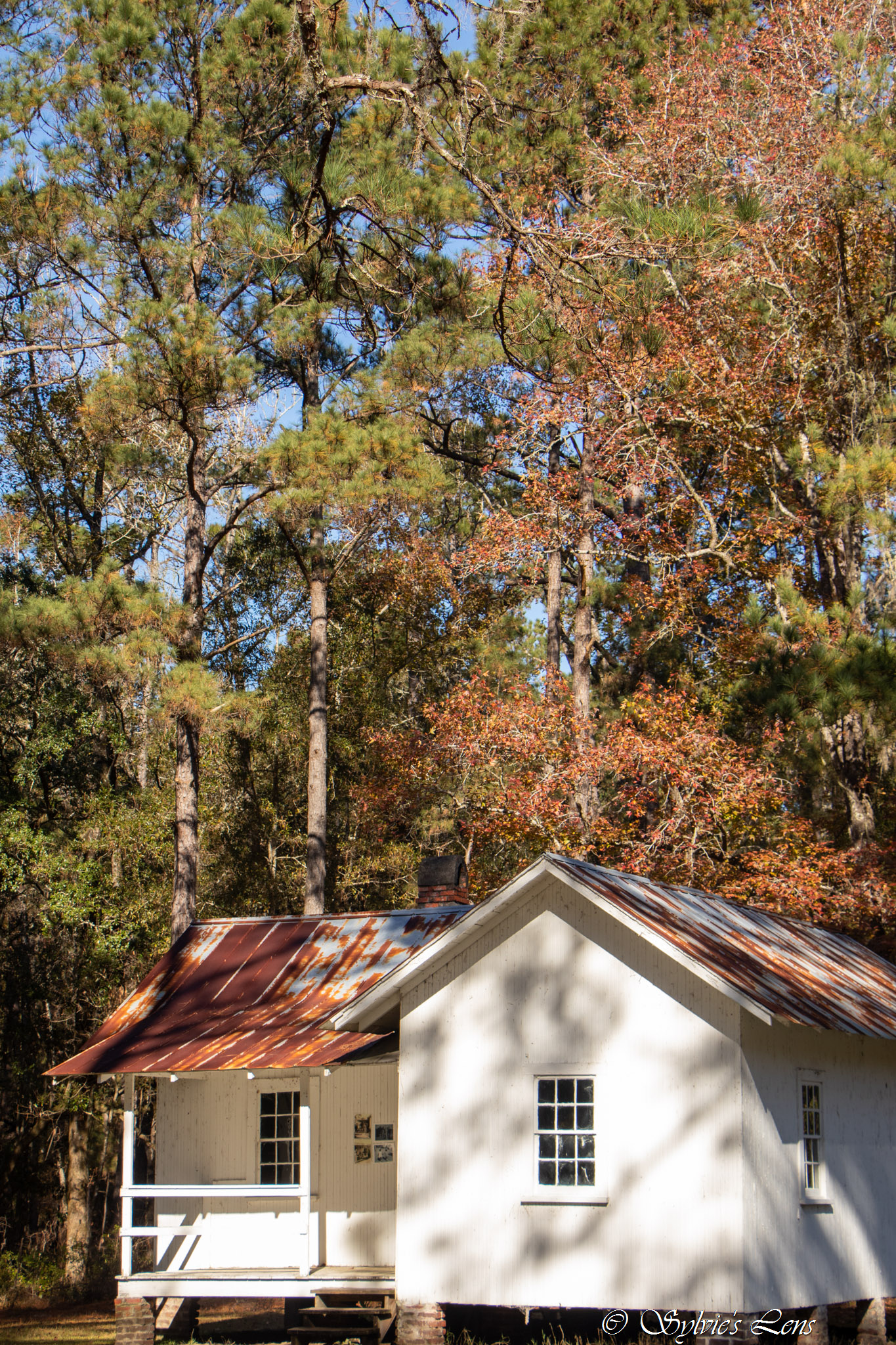
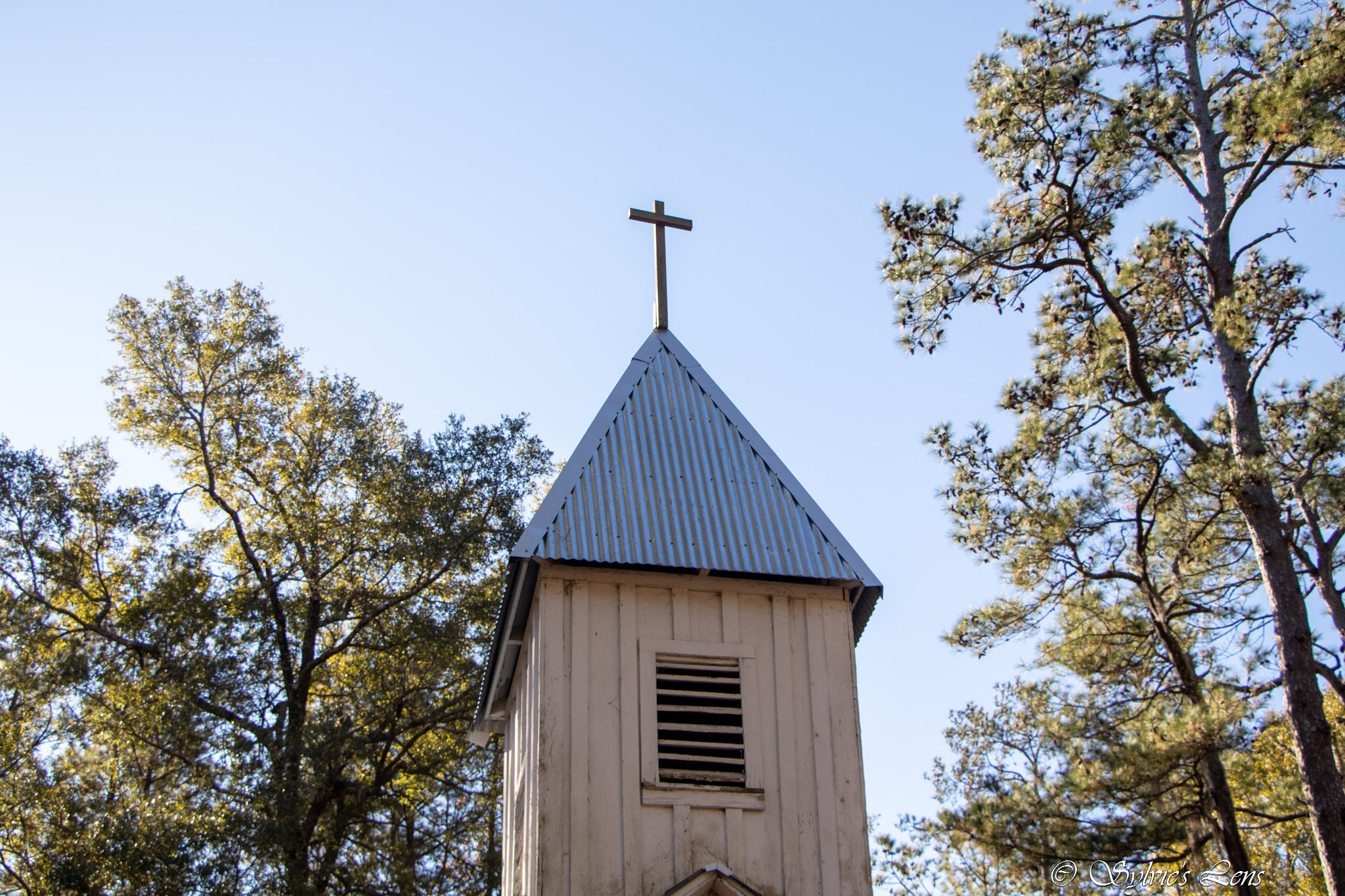
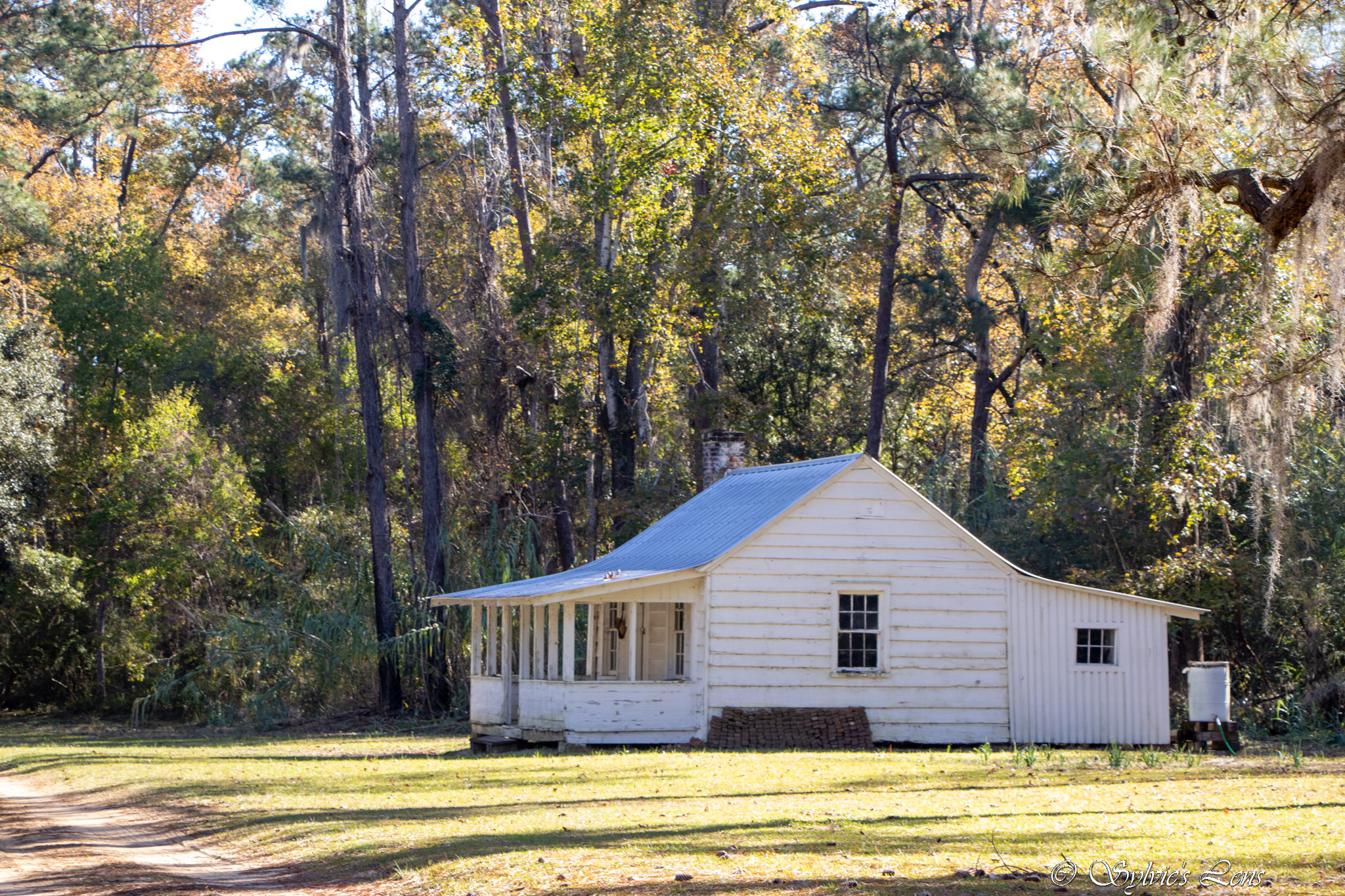
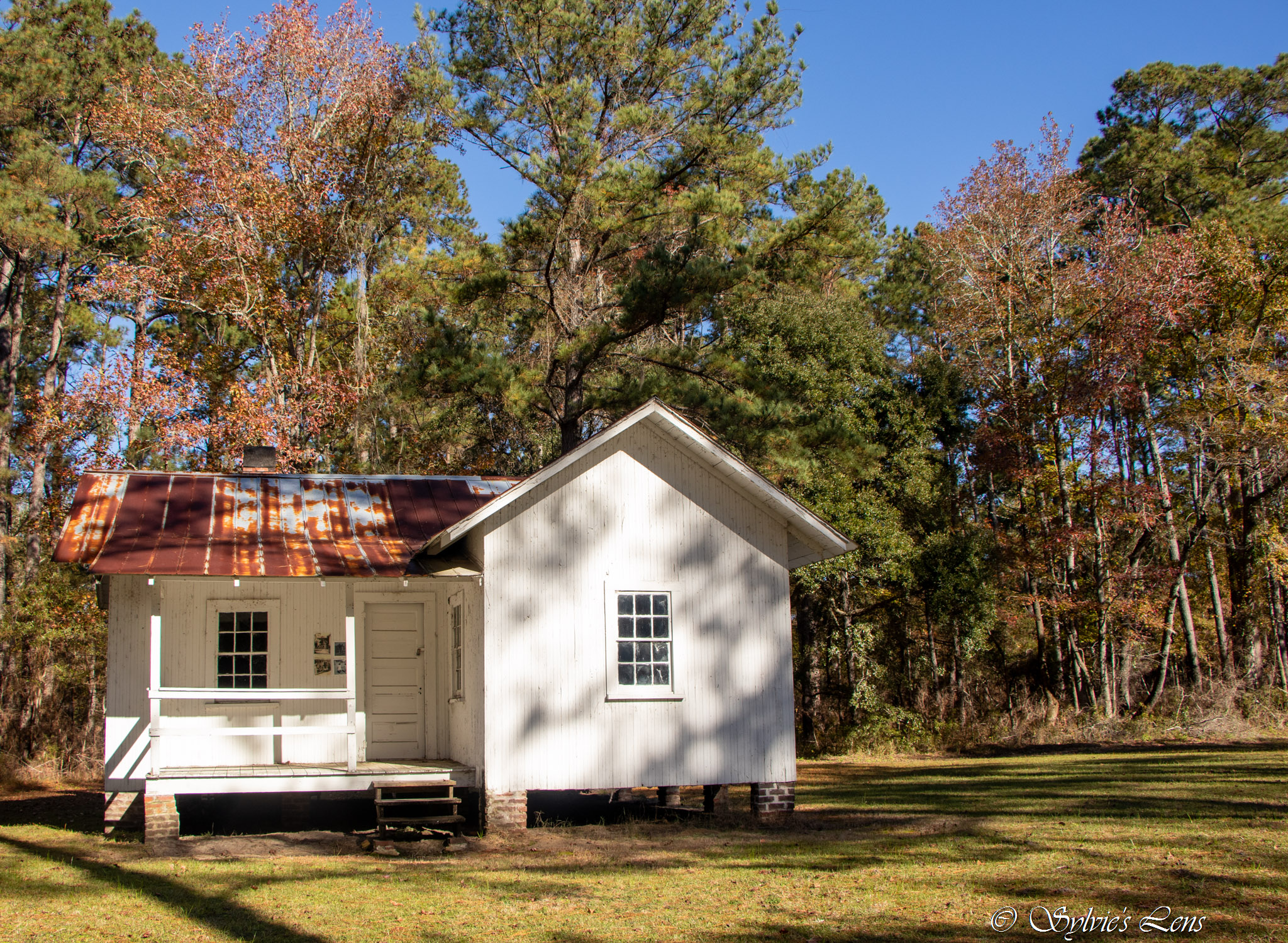
Our tour also took us to Friendfield Village, one of the former African American villages on the property. We saw historic structures that helped tell the story of the people who lived and worked at Hobcaw, including homes and a church. The Foundation’s current tours continue to incorporate one of the former slave villages as an important part of the property’s history.
I found this portion of the tour particularly meaningful because it helped put the grandeur of Hobcaw’s plantation and Baruch history into perspective. The property isn’t simply a beautiful Lowcountry landscape—it contains the stories of generations of people whose lives were shaped by this land.

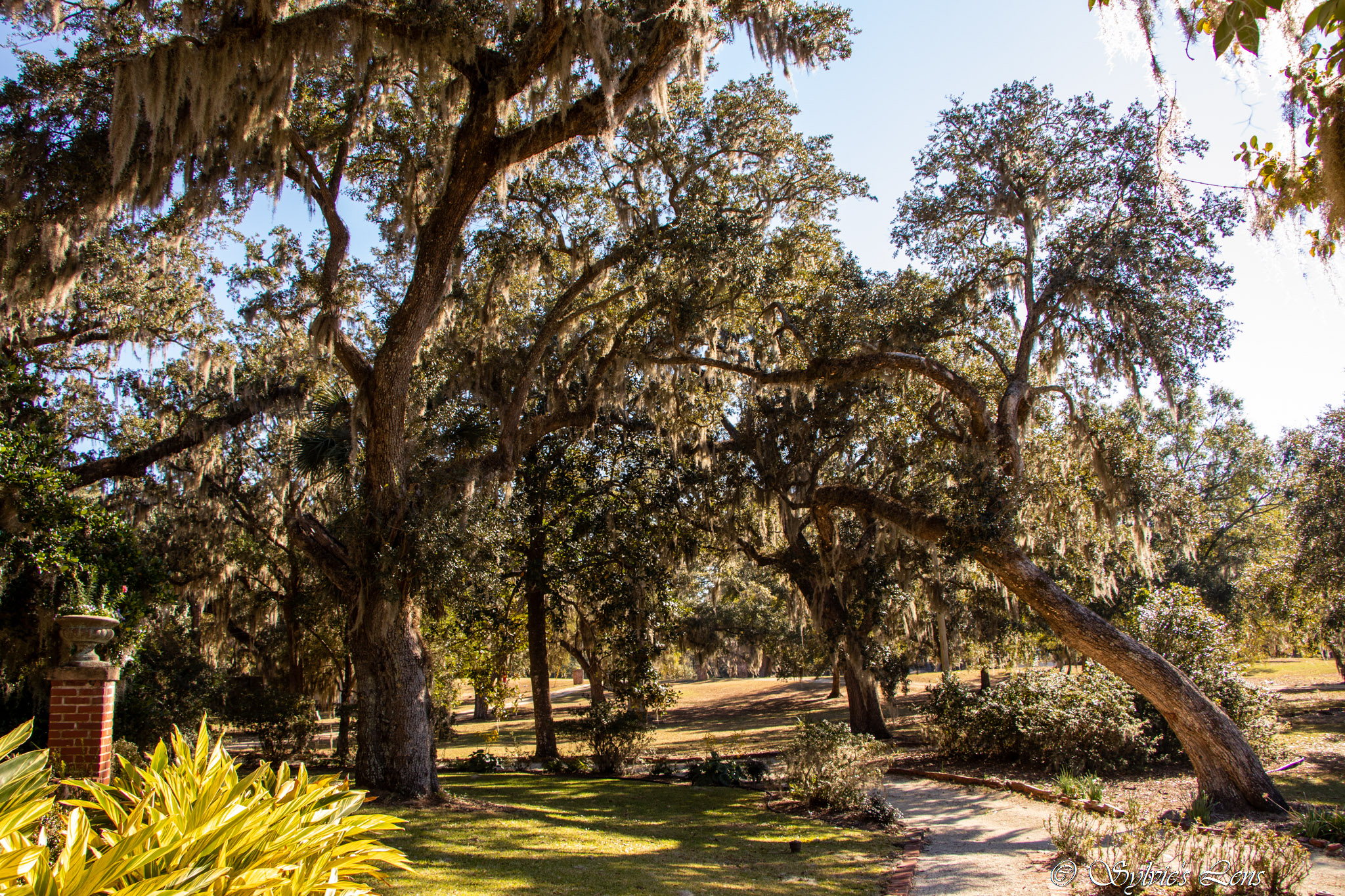
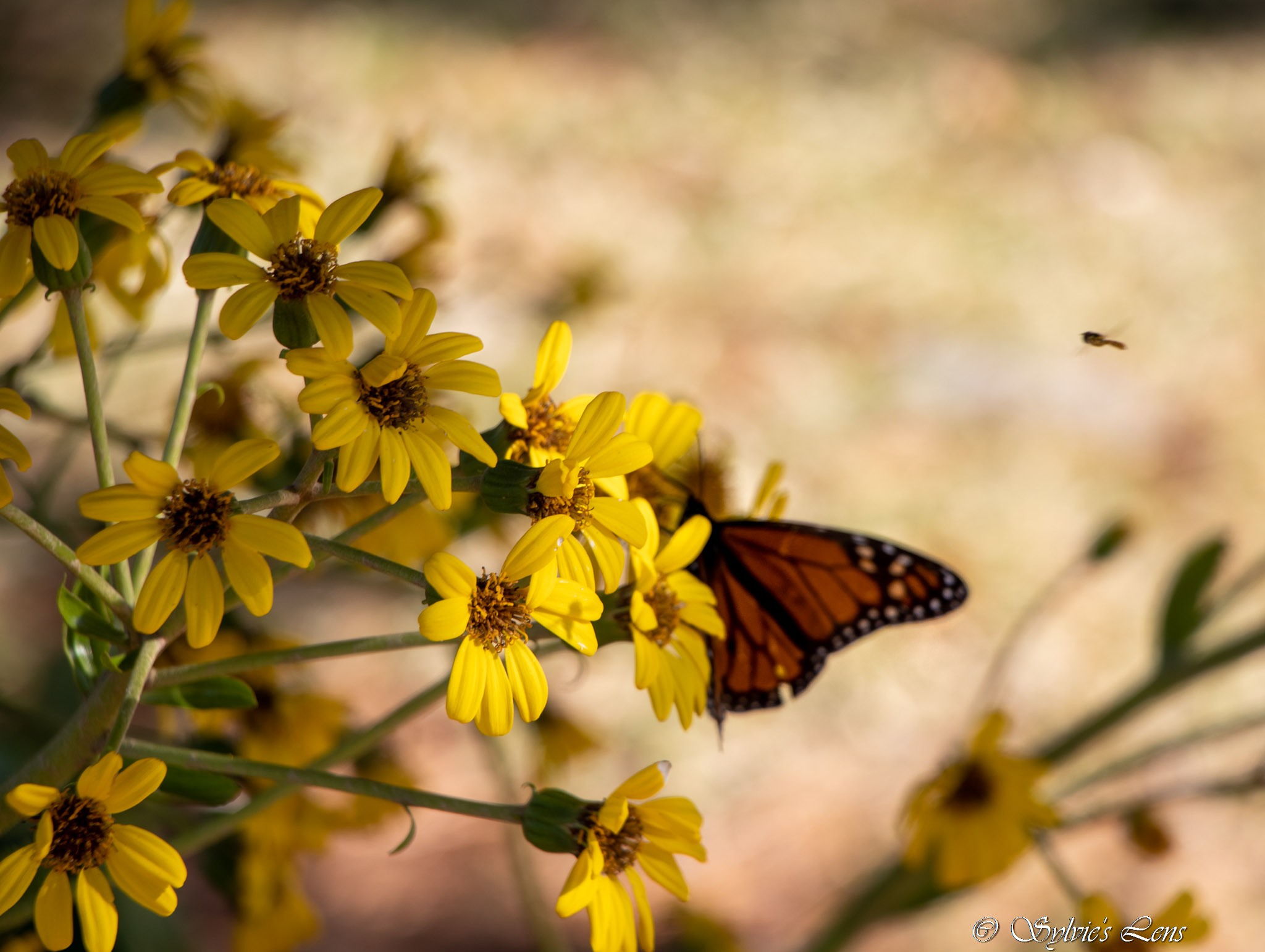
Today, Hobcaw Barony remains a remarkable combination of history, nature, science, and conservation. More than 70 cultural sites are located throughout the property, while its diverse coastal ecosystems provide an important setting for ongoing research.
Our tour left me wanting to return. I would love to see more of the property, including Belle Baruch’s home and additional cultural sites. There is clearly much more to discover here than can be experienced during a single visit.
If you enjoy history, photography, architecture, nature, and learning the stories behind the places you visit, Hobcaw Barony is an extraordinary South Carolina experience.
If You Go
- Location: Georgetown County, South Carolina
- Visited: December 10, 2020
- Size: 16,000 acres
- Best for: History, nature, photography, architecture, and education
- Access: The 16,000-acre property is accessible only through guided tours and programs.
- Discover Hobcaw Tour: The current two-hour tour includes Hobcaw House, a former slave village, Bellefield Plantation, and information about the property’s ecosystems and wildlife.
- Current Discover Tour price: $30 per person.
- Reservations: Reservations are required, and tours can fill quickly.
- Extended option: The Explore Hobcaw Tour is a longer seasonal experience with additional stops, including the North Inlet salt marsh and more time at the historic sites.
- What to bring: Comfortable shoes, water, sunscreen, insect repellent, and your camera.
- Photography: Photography restrictions may apply inside historic buildings, so check with your guide.
- Tip: Allow time to visit the Discovery Center before or after your tour. It has exhibits covering Native American history, slavery, the plantation era, the Baruch family, and the property’s ecology.
References Hobcaw Barony, PBS Between The Waters, South Carolina Plantations, About Belle Baruc
Hobcaw Barony Photos
Slave quarters








Bernard Baruch’s Home